Welcome to Hoyarn
Call Us Any Time:+86 19801805999
Email Us: info@hoyarn.cn
Turf Grass for Playground: Safe, Sustainable Solutions for Play Spaces
Dec . 03, 2025 17:50 Back to list
Turf Grass for Playground: Safe, Sustainable Solutions for Play Spaces
Turf Grass for Playground: A Practical Guide to Safer & Sustainable Play Spaces
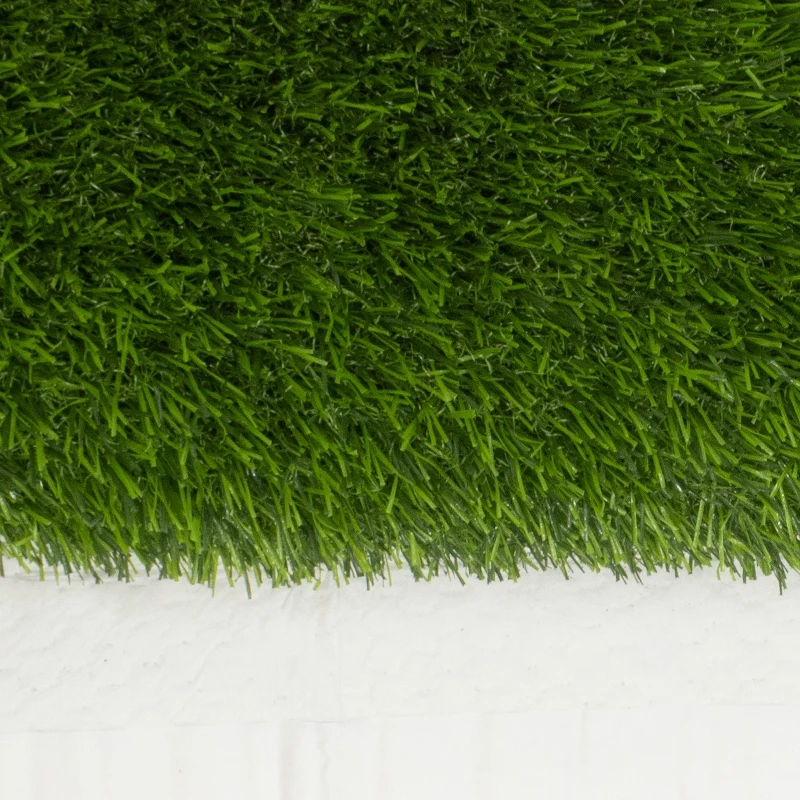
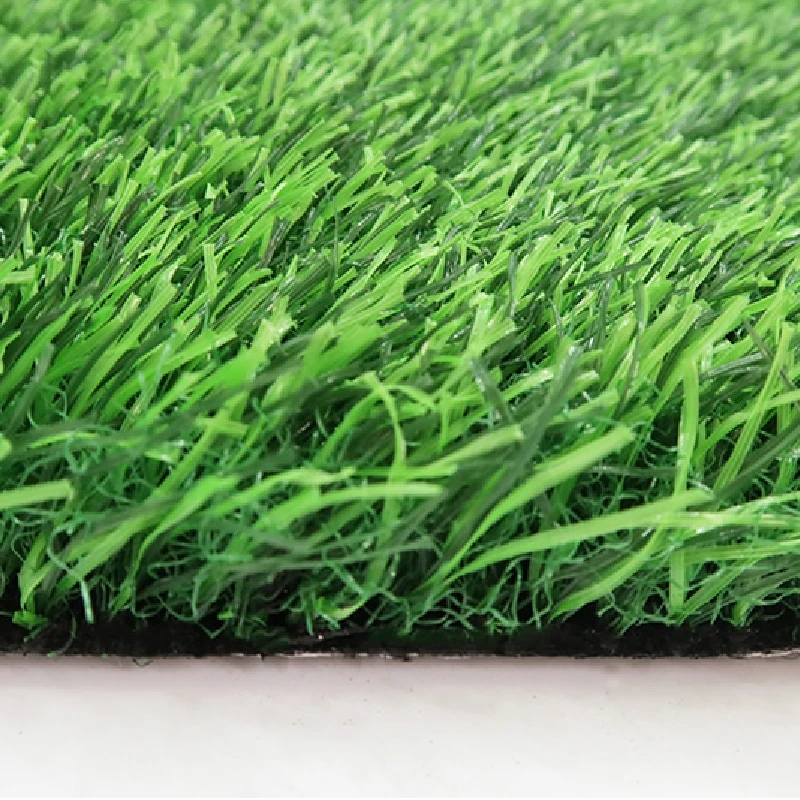
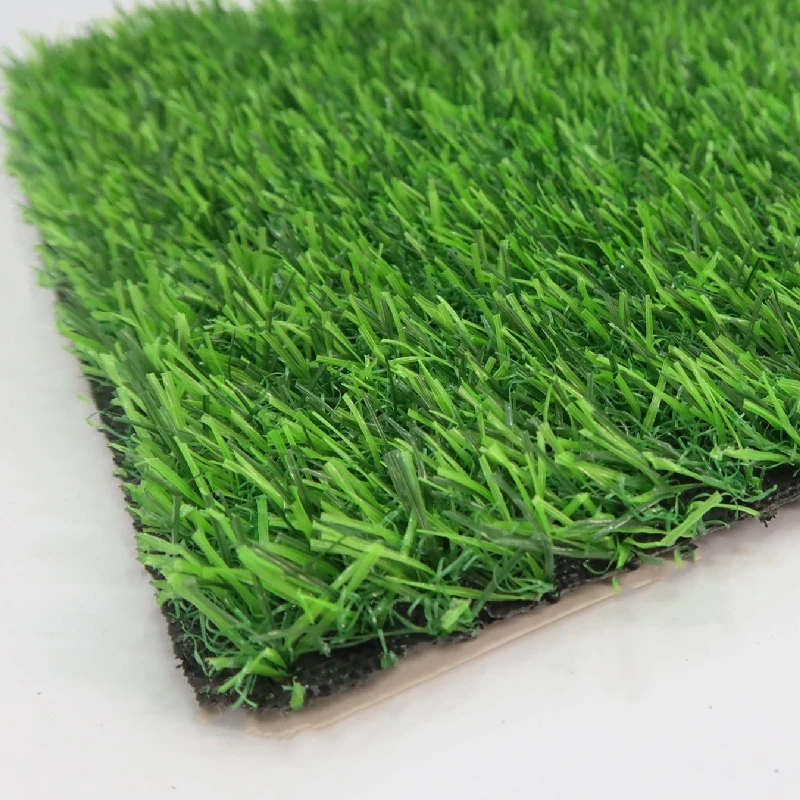
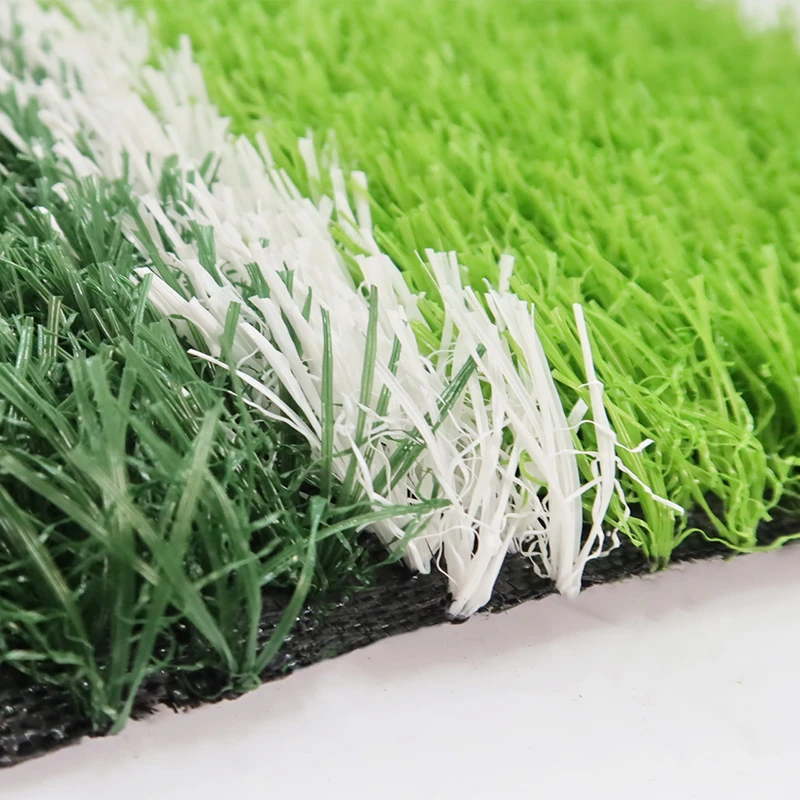
When you think about playgrounds, the first few images that come to mind might be colorful slides, swings, maybe a sandbox. But the foundation beneath all that joy—turf grass for playground—plays a huge role that’s often overlooked. It’s more than just green carpet; these grasses support children’s safety, environmental sustainability, and community wellbeing. From urban parks to schoolyards, understanding the types and benefits of turf grass can transform how we think about play spaces worldwide.
Why Turf Grass Matters Globally
Across cities and rural areas alike, playgrounds contribute to children's physical and social development. According to the United Nations, access to safe recreational spaces is an essential part of inclusive urban development and wellbeing (United Nations SDG 11). Natural turf grass for playgrounds helps reduce heat islands, manage stormwater, and provide a soft landing for the inevitable tumbles kids take. Yet, balancing durability with environmental care remains a challenge especially as urban populations grow and climate concerns intensify.
Mini Takeaway: Turf grass is not just aesthetic—it’s crucial for safe, sustainable play within global urban planning frameworks.
Defining Turf Grass for Playground
Simply put, turf grass for playground means specific types of grasses or grass systems installed where children play. The focus here is safety (non-toxic, soft, impact-absorbing), durability (weather and wear resistant), and environmental friendliness (promoting oxygenation and soil health). In practical terms, it’s a specialized landscaping solution blending biology and engineering to meet modern educational and recreational needs.
Core Components of Turf Grass for Playgrounds
Durability
Playground turf must withstand constant foot traffic and varying weather without breaking down quickly. Kentucky Bluegrass and Perennial Ryegrass are favorites because they regrow rapidly and resist compaction.
Safety & Shock Absorption
Behind the scenes, grass density and soil layering help cushion falls, reducing injury risks. Some modern turf systems integrate shock pads or engineered infill for extra protection.
Maintenance & Cost Efficiency
While natural turf requires mowing and irrigation, choosing drought-tolerant species cuts water use significantly. This reduces long-term operational costs, a big plus for schools and municipalities on tight budgets.
Sustainability
Using turf grass promotes carbon sequestration and soil life restoration, contributing to greener urban ecosystems. It also supports biodiversity by hosting pollinators if designed thoughtfully.
Global Applications and Real-World Success
You’ll find turf grass playgrounds from downtown Tokyo to suburban Toronto. In Australia, where playground heat is a concern, turf grass cools surfaces by up to 30°F compared to asphalt (source: Australian Bureau of Meteorology). In inner-city New York, schools increasingly replace rubber mats with hybrid natural/artificial turf mixes to balance durability with green benefits.
Oddly enough, even refugee camps have adopted fast-growing turf species to quickly create play and community areas that improve children’s mental health and sense of normalcy.
Product Specification Table
| Grass Type | Growth Rate | Water Needs | Durability (Traffic Tolerance) | Climate Suitability |
|---|---|---|---|---|
| Kentucky Bluegrass | Moderate (3-4 weeks regrowth) | Medium (weekly watering in summer) | High | Temperate |
| Perennial Ryegrass | Fast (2 weeks regrowth) | Medium | High | Cool Temperate |
| Bermuda Grass | Fast (1-2 weeks regrowth) | Low (drought-tolerant) | Very High | Subtropical |
Vendor Comparison: Leading Turf Grass for Playground Providers
| Company | Grass Varieties Offered | Custom Installation | Sustainability Practices | Warranty Period |
|---|---|---|---|---|
| GreenPlay Turf Co. | Kentucky Bluegrass, Ryegrass, Bermuda | Yes | Organic fertilizers, water recycling | 5 years |
| EcoSoft Playgrounds | Ryegrass, Fescue blends | Limited | Certified organic product lines | 3 years |
| UrbanGreen Solutions | All major sports turf varieties | Yes, with design consultations | Emphasis on drought-resistant species | 7 years |
Advantages & Long-Term Value of Turf Grass Playgrounds
In real terms, installing the right turf grass translates not only to a safer play environment but also to lower repair costs for equipment and surfaces. Soft turf cushions kids' falls, potentially reducing playground insurance claims and offering parents peace of mind—something that doesn’t easily show up in spreadsheets but is worth a lot.
Environmentally, turf grasses improve air quality by trapping dust and increasing oxygen levels around playgrounds. They help absorb rainwater, cutting down on urban flooding risks. The social benefits are no less significant; playgrounds with well-kept turf become community hubs that uplift neighborhoods and foster childhood friendships.
Emerging Trends & Innovations
Looking ahead, green-tech is seeping into turf management—smart irrigation systems use sensors to optimize watering schedules, preventing waste without sacrificing health. Hybrid turf systems combining natural grass with synthetic fibers are gaining popularity to extend playability. Biodegradable infill materials and drought-resilient grass varieties respond to climate change pressures, adhering to ISO standards for environmental sustainability.
Challenges and How Experts Overcome Them
Of course, it’s not all a walk in the park. Turf grass playgrounds face challenges like soil compaction, pest infestations, and drought stress. Experts advocate integrated turf management: combining aeration, natural pest control, and adaptive watering schedules. New seed blends and soil conditioners further improve longevity and resilience. Many urban planners also embrace modular turf pads for quick replacement in high-traffic zones.
Frequently Asked Questions About Turf Grass for Playground
- What type of turf grass is best for playgrounds in hot climates?
Bermuda grass is excellent for hot, dry environments due to its drought resistance and rapid recovery. - How often does turf grass need maintenance in busy playgrounds?
Generally, mowing weekly during growing seasons and regular aeration 1-2 times per year keeps turf healthy under heavy use. - Are artificial turfs better than natural turf grass for playgrounds?
Artificial turf requires less water and maintenance but can get hotter and lack the natural cushioning and environmental benefits of living grass. - Can turf grass reduce playground injuries?
Yes, dense turf combined with proper soil base layering absorbs impact, reducing severity of falls compared to hard surfaces.
Conclusion & Call to Action
Choosing the right turf grass for playground isn’t just a landscaping decision — it’s an investment in the safety, sustainability, and vitality of play spaces that shape our children’s world. If you’re considering upgrading or installing turf grass for playgrounds, visit our website to explore varieties and solutions tailored for your climate and budget.
After all, safer, greener playgrounds mean happier kids—and frankly, that’s something we all want to see more of.
Sources:
Latest news
-
Creating the Perfect Fake Grass Area for Dogs Complete Guide
NewsApr.16,2026
-
Guide to Using Fake Grass and Pets for a Pet Friendly Lawn
NewsApr.09,2026
-
Fake Grass and Dogs Creating a Pet Friendly and Durable Yard
NewsApr.07,2026
-
Maintaining a Pristine Lawn with Fake Grass and Dog Wee Management Solutions
NewsApr.04,2026
-
The Ultimate Guide to Choosing the Perfect Fake Dog Grass Patch for Your Pet
NewsMar.31,2026
-
Discover the Benefits of High Quality Fake Dog Grass for Potty Training
NewsMar.28,2026
Products categories