Welcome to Hoyarn
Call Us Any Time:+86 19801805999
Email Us: info@hoyarn.cn
The Benefits and Applications of 6m Wide Roll Artificial Grass for Sustainable Green Spaces
Nov . 29, 2025 19:40 Back to list
The Benefits and Applications of 6m Wide Roll Artificial Grass for Sustainable Green Spaces
The Growing Significance of 6m Wide Roll Artificial Grass
Artificial grass found in 6m wide rolls has quietly become a game-changer in landscaping, sports, commercial applications, and even humanitarian projects worldwide. At first glance, it’s just synthetic turf that spans six meters wide on a roll. But peel back a few layers, and you find a material that's addressing global challenges — water conservation, urban green space shortages, and maintenance cost reduction — in a very practical way. Understanding this product is more relevant than ever, given the accelerating pace of urbanization and climate change pressures.
Introduction: Why 6m Wide Roll Artificial Grass Matters Globally
Urban areas are growing rapidly; according to United Nations data, over 68% of the world’s population is expected to live in cities by 2050 (1). That’s a staggering statistic, and with that growth comes increased demand for green surfaces that don’t guzzle water or demand endless upkeep. Traditional lawns are pretty thirsty, requiring constant irrigation and care, which conflicts with sustainability goals many cities are now prioritizing under ISO environmental standards (2).
So, what role does 6m wide roll artificial grass play? It offers a large-format, easily deployable green surface solution that minimizes water use, reduces maintenance labor, and withstands heavy traffic without turning to mud or patchy spots. Plus, it solves a challenge faced by sports complexes, schools, urban parks, commercial zones, and even disaster relief areas, where permanent greening isn’t practical or possible.
What Exactly Is 6m Wide Roll Artificial Grass?
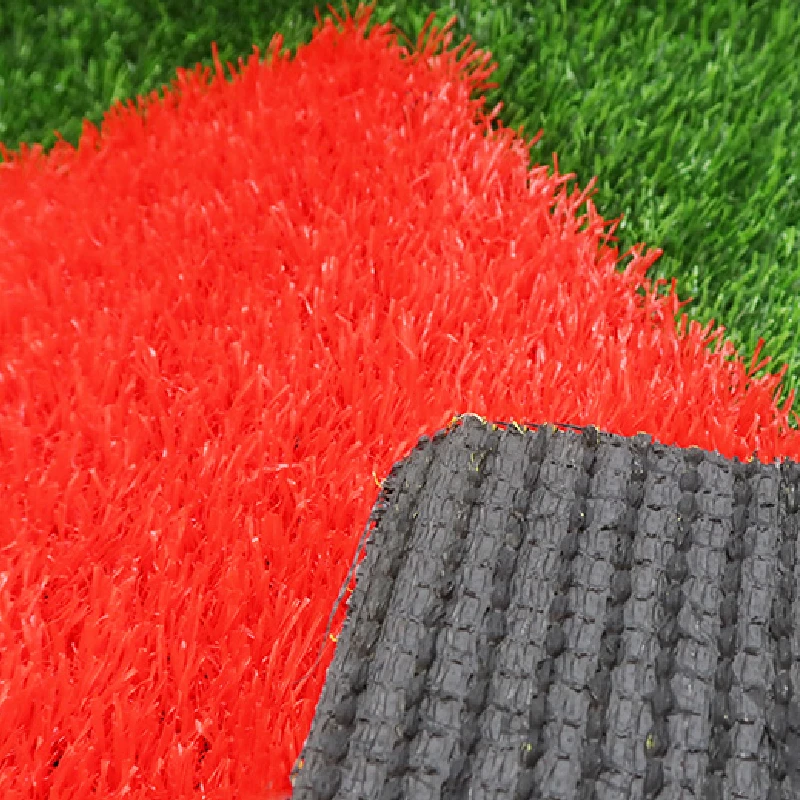
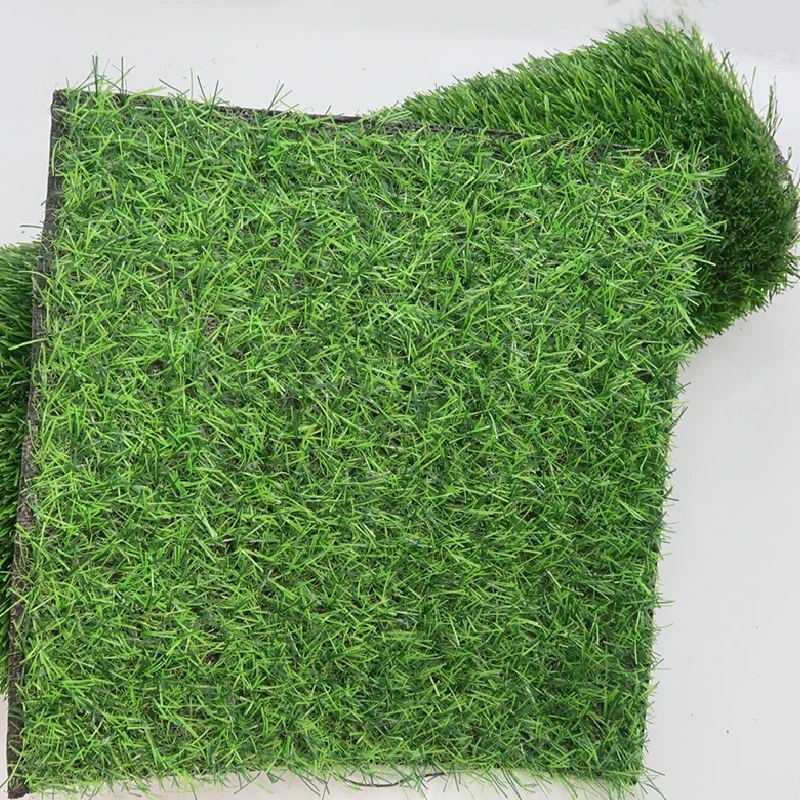
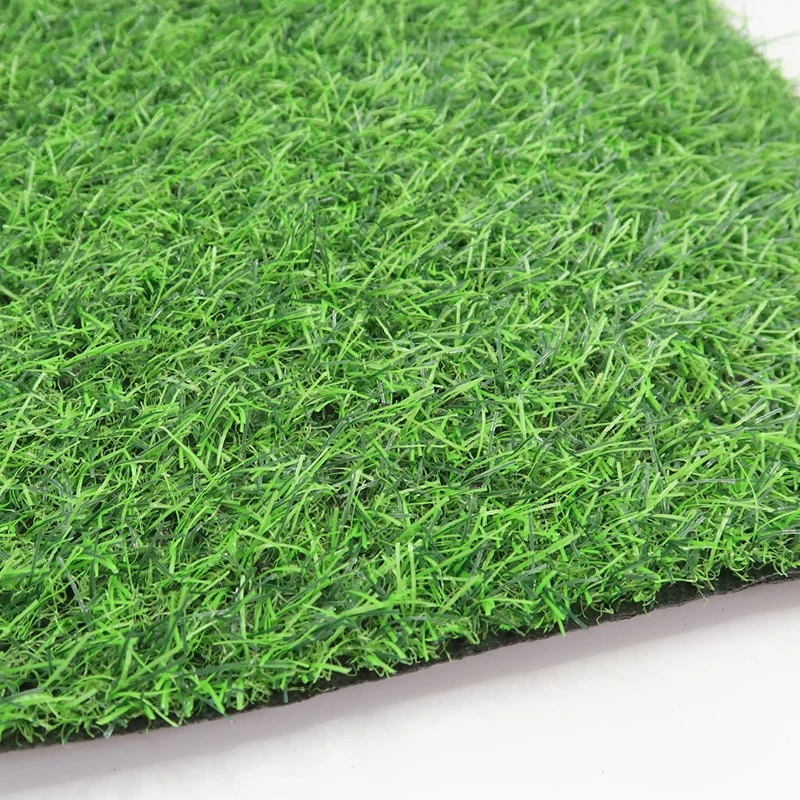
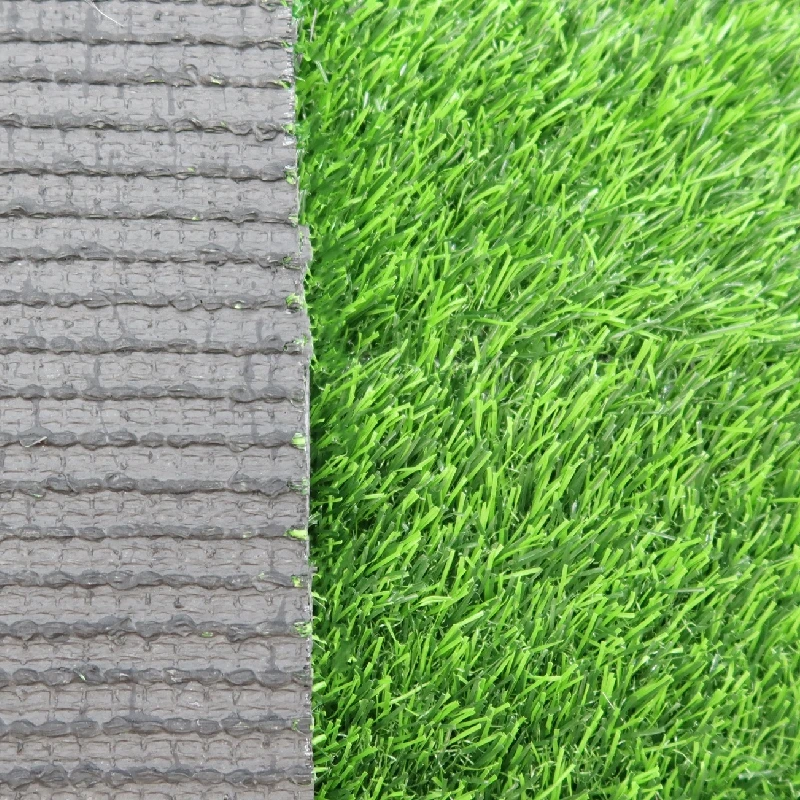
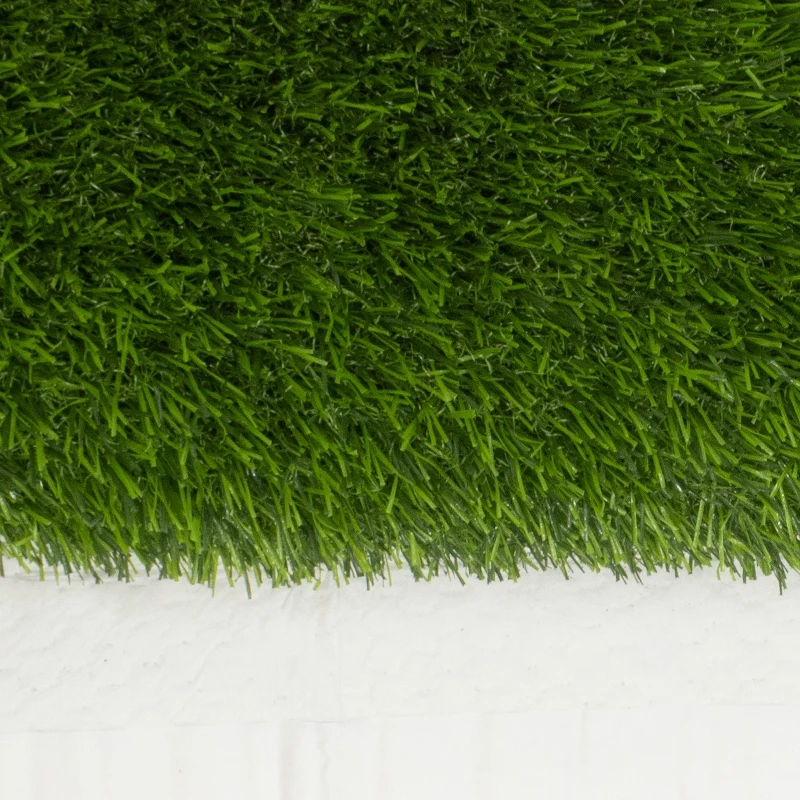
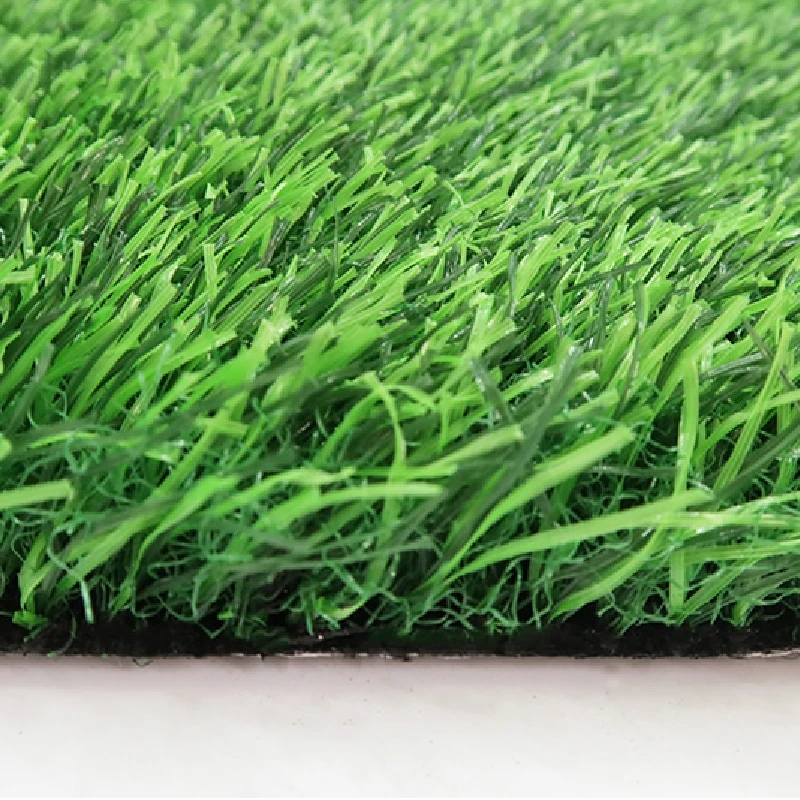
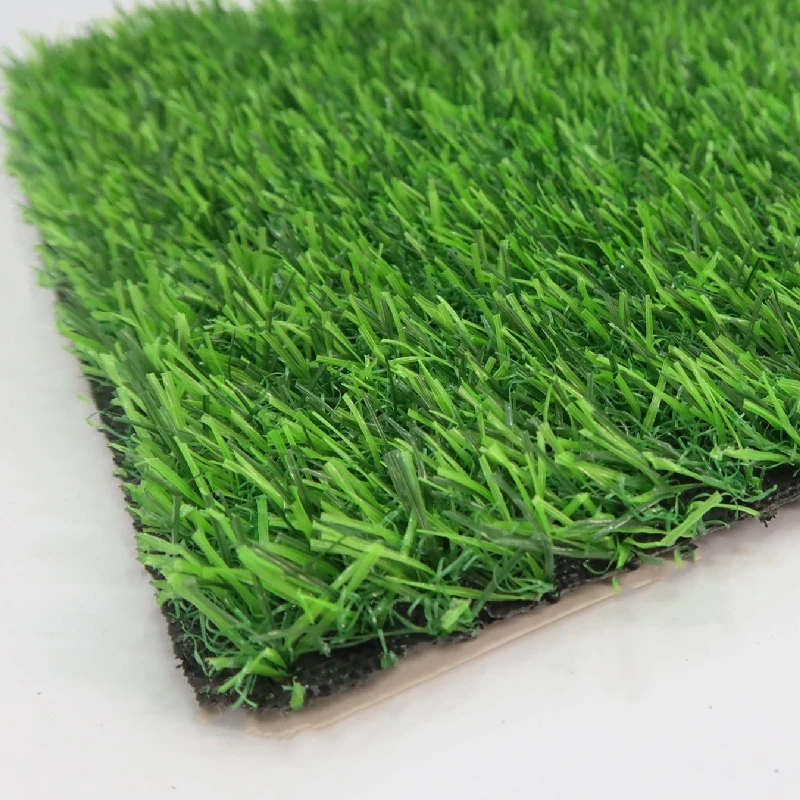
Simply put, artificial grass is a synthetic turf made predominantly from polyethylene, polypropylene, or nylon fibers woven into a backing and rolled out like a giant carpet. The “6m wide roll” designation refers to its width, a significant factor because wider rolls mean fewer seams, faster installation, and less visible joint lines.
This turf mimics natural grass visually and functionally while eliminating needs for mowing, fertilizers, pesticides, and excess watering. Industries from real estate developers seeking instant curb appeal to NGOs installing green floors in refugee camps benefit from this material’s ingenuity and scalability.
Core Components & Key Factors Influencing Usage
1. Durability and Material Quality
The fibers and backing must endure everything from UV rays, pet activity, foot traffic, to weather extremes. For instance, polyethylene is praised for its softness and realistic feel, while polypropylene offers structural stability. A robust backing ensures the system doesn’t delaminate or degrade prematurely.
2. Roll Width & Seamless Installation
The 6m width itself isn’t random. Many competitors offer rolls around 2m to 4m wide, which means more seams and extra labor to lay. Six meters allows for large, even surfaces in sports fields or commercial zones with fewer joins, improving aesthetics and reducing trip hazards.
3. Drainage Capabilities
Water pooling is a concern for any artificial turf — especially in regions with heavy rainfall. Modern 6m wide roll grass typically includes perforated backing to ensure quick drainage, preventing puddles and maintaining usability after storms.
4. Environmental & Safety Standards
Regulations increasingly require low VOC emissions, fire resistance, and non-toxic materials. Compliance with ISO/EN guidelines on synthetic turf ensures safe use in schools and playgrounds while reinforcing sustainability credentials.
5. Cost Efficiency Over Time
The upfront price can be higher than seeded lawns, but lower maintenance costs, water savings, and longevity (often 8–12 years with proper care) mean significant ROI. Installation in wider rolls adds value here by reducing labor hours.
Mini takeaway: When selecting 6m wide roll artificial grass, look beyond price — durability, drainage, safety, and installation ease make a huge difference in the long run.
Global Applications & Use Cases: Where This Turf Earns Its Keep
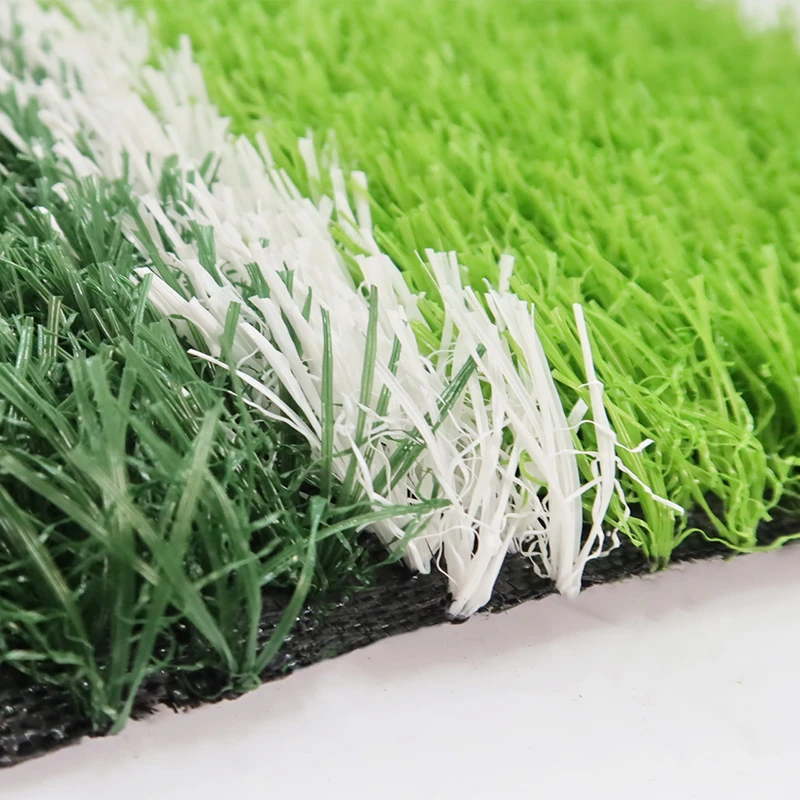
- Sports Complexes: Wide rolls speed up stadium field installations and minimize seams that can trip athletes.
- Urban Landscaping: Cities like Dubai or Singapore use these rolls extensively to create pristine green roofs and balconies despite arid or space-limited environments.
- Commercial Real Estate: Developers demand quick greening solutions to boost property appeal without ongoing turf management hassles.
- Humanitarian Aid & NGOs: In refugee shelters or temporary schools, synthetic grass offers clean, safe ground surfaces that do not require ongoing maintenance or water.
- Events and Exhibitions: The turf offers quick setup and repurposing, great for temporary outdoor event floors or exhibition stands.
For example, in remote industrial mining camps in Australia, 6m wide roll artificial grass has been deployed around worker housing, cutting dust pollution and improving comfort without extensive landscaping infrastructure.
Advantages & Long-Term Value of Installing Artificial Turf
The benefits are hard to dismiss:
- Water Conservation: No irrigation needed, critical for drought-prone areas.
- Maintenance Savings: No mowing, fertilizing, or pest control.
- Durability & Reliability: Withstands tough use; doesn’t brown out.
- Cleaner, Healthier Spaces: Avoids muddy mess, allergens, and insects.
- Aesthetic Flexibility: Always green, customizable pile height and color.
- Safety: Non-toxic materials meeting fire and safety certifications.
Personally, I find there’s an emotional comfort in knowing you have a green, livable space regardless of weather or water restrictions. That trust and peace of mind translate directly into social and psychological well-being.
Product Specification Table
| Feature | Specification |
|---|---|
| Roll Width | 6 meters |
| Pile Height | 25–40 mm (customizable) |
| Material | Polyethylene / Polypropylene blend |
| Backing | Perforated, non-woven polyester with latex coating |
| Drainage Rate | >50 litres/min/m² |
| UV Resistance | 8+ years lifespan under strong sunlight |
| Warranty | 8 years minimum |
Comparing Vendors: A Quick Look at Leading 6m Wide Roll Artificial Grass Suppliers
| Vendor | Product Range | Price (per m²) | Warranty | Typical Lead Time |
|---|---|---|---|---|
| GreenScape Ltd. | 25–40 mm piles, polyethylene | £18–£25 | 8 years | 2 weeks |
| TurfMax Solutions | Custom heights, UV stabilized blends | £20–£28 | 10 years | 3 weeks |
| EverGreen Artificial Turf | Mid-range, polypropylene mix | £15–£22 | 7 years | 1–2 weeks |
Looking Ahead: Trends and Innovations in 6m Wide Roll Artificial Grass
The industry is far from standing still. Engineers and material scientists are pushing boundaries with biodegradable backing materials to prevent landfill waste. At the same time, some manufacturers integrate antimicrobial properties to reduce odors from pets or human use, which frankly feels like a smart move for playgrounds.
Digital transformation means installation guides and product data sheets are now often interactive, with augmented reality apps helping clients visualize 6m wide roll artificial grass in their spaces before purchase. Also, sustainability certifications akin to LEED are emerging, pushing all vendors to reduce carbon footprints.
Challenges and How the Industry Is Addressing Them
One sticking point remains heat retention — synthetic turf naturally absorbs sunlight, sometimes making surfaces uncomfortably hot in summer. New fiber blends and cooling infills are improving this, but real breakthroughs may lie in nanotechnology coatings that reflect infrared light. Until then, shading and irrigation still play a role.
Another challenge is disposal and recyclability. Many fields are swapping out turf every decade or so, and finding eco-friendly ways to recycle the material is an ongoing effort, with some vendors launching turf take-back programs.
FAQs About 6m Wide Roll Artificial Grass
Q1: How long does 6m wide roll artificial grass typically last outdoors?
With normal use and proper maintenance, expect about 8 to 12 years before the turf may need replacement. UV stabilizers and quality backing are crucial to prolong life.
Q2: Is artificial grass safe for children and pets?
Yes, most high-quality artificial grasses meet safety standards regarding non-toxicity and fire resistance. Look for certifications compliant with ISO or EN safety norms.
Q3: How much water can artificial grass save compared to natural turf?
Artificial grass uses virtually no water for irrigation, potentially saving thousands of liters per year depending on climate and surface area.
Q4: Can 6m wide roll artificial grass be installed on uneven terrain?
While small bumps are fine, large undulations require ground preparation for optimal durability and appearance. Some installers recommend a compacted sub-base for sports or high-traffic areas.
Q5: How do I maintain artificial grass?
Maintenance involves occasional brushing to keep fibers upright, removing debris, and rinsing dust or pet waste. No mowing or fertilizing needed.
Conclusion: Why Choose 6m Wide Roll Artificial Grass?
Long-term, this product combines practicality with sustainability, aesthetics with low environmental cost, and convenience with reliability. If you’re building green spaces that must last, endure, or simply provide instant transformation, the 6m wide roll artificial grass is tough to beat. Want to explore product options and detailed specs? Visit 6m wide roll artificial grass for a solid starting point.
Thanks for reading. I hope this helps piece together why something as simple as a six-meter-wide roll of synthetic turf is anything but simple in application or impact.
References
Latest news
-
Creating the Perfect Fake Grass Area for Dogs Complete Guide
NewsApr.16,2026
-
Guide to Using Fake Grass and Pets for a Pet Friendly Lawn
NewsApr.09,2026
-
Fake Grass and Dogs Creating a Pet Friendly and Durable Yard
NewsApr.07,2026
-
Maintaining a Pristine Lawn with Fake Grass and Dog Wee Management Solutions
NewsApr.04,2026
-
The Ultimate Guide to Choosing the Perfect Fake Dog Grass Patch for Your Pet
NewsMar.31,2026
-
Discover the Benefits of High Quality Fake Dog Grass for Potty Training
NewsMar.28,2026
Products categories