Welcome to Hoyarn
Call Us Any Time:+86 19801805999
Email Us: info@hoyarn.cn
Synthetic Grass Price: Essential Guide to Costs, Benefits & Global Trends
Dec . 02, 2025 12:50 Back to list
Synthetic Grass Price: Essential Guide to Costs, Benefits & Global Trends
Synthetic Grass Price: Understanding Its Impact and Value Globally
When you hear “synthetic grass price,” you might think just about the dollar sign on a roll of turf. But frankly, there’s a lot more to it. Understanding synthetic grass pricing is essential today, not only for landscapers or sports facility managers but also for environmental planners, municipal authorities, and even homeowners who want to balance aesthetics, sustainability, and cost. With increasing concerns about water shortage, urban heat islands, and maintenance budgets, synthetic grass installations are booming worldwide. So why does the price matter? Because it signals accessibility, innovation, and long-term value in green infrastructure.
Introduction: The Global Context of Synthetic Grass Price
Synthetic turf has shifted from niche sports use into widespread urban and residential landscaping. According to the Wikipedia page on artificial turf, the global artificial turf market was valued at nearly $4 billion in recent years and is expected to grow steadily. Usage is expanding in regions challenged by drought or water restrictions — think California, Australia, parts of the Mediterranean.
But here’s the rub: the synthetic grass price directly affects adoption rates. A turf that's too expensive can sideline projects even if it offers impressive durability or sustainability. At the same time, cheaper options may compromise quality, leading to higher replacement or maintenance costs. So pricing sits at the intersection of innovation, economy, and environmental responsibility.
What Is Synthetic Grass Price?
Simply put, the synthetic grass price is the cost per unit area (often per square foot or meter) of artificial turf products, including installation if quoted as such. It’s influenced by materials (polyethylene, nylon, polypropylene), pile height, density of blades, backing type, and UV protection. Beyond materials, labor costs and geographic factors come into play.
Its importance today ties closely to urban development, water conservation efforts, and the sports industry. Public parks, playgrounds, and commercial properties opt for synthetic turf to reduce water, pesticide, and mowing needs — all shaped by what the price tag permits.
Key Factors Driving Synthetic Grass Price
1. Material Quality and Composition
The base polymers and the way fibers are manufactured matter. Polyethylene generally balances softness and durability, but nylon is more abrasion-resistant and thus costlier. UV stabilization additives increase price but extend product life.
2. Pile Height and Density
Taller, denser grass usually costs more but looks more natural and is better for activities like sports. Lower pile height saves money but might feel less lush.
3. Backing Technology
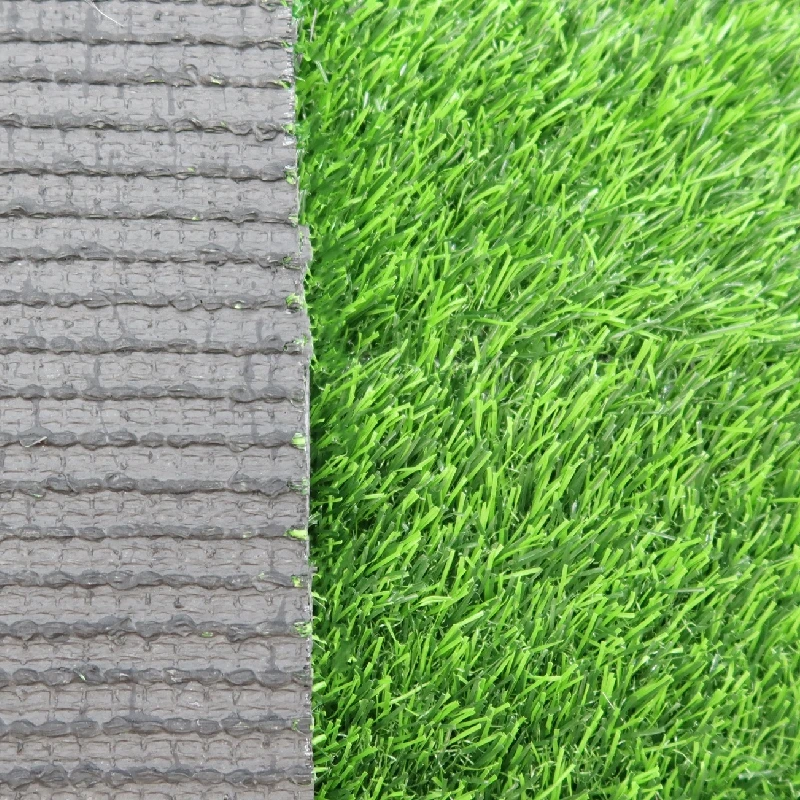
The backing provides stability, drainage, and durability. Multiple-layer backing systems with reinforced mesh enhance longevity but affect the price.
4. Installation Complexity
Is the area flat and straightforward, or does it require grading, infill layers, or edging? Complex jobs raise the total price beyond the turf cost itself.
5. Geographic and Market Factors
Logistics, regional labor rates, and supplier competition influence prices. For example, imports can add tariffs or shipping fees.
Product Specification Table: Popular Synthetic Grass Options
| Product Model | Pile Height (mm) | Material | Density (stitches/m²) | UV Resistance | Approx. Price ($/m²) |
|---|---|---|---|---|---|
| EcoTurf Pro | 35 | Polyethylene | 16,000 | 8,000 hours | 25.00 |
| FlexGrass Ultra | 40 | Nylon/Polyethylene Blend | 18,500 | 10,000 hours | 33.50 |
| HomeLush Basic | 20 | Polypropylene | 12,000 | 5,000 hours | 15.00 |
Global Applications and Use Cases of Synthetic Grass
It’s fascinating how artificial turf is found everywhere these days. In drought-hit regions like the American Southwest or Southern Europe, it drastically cuts water consumption. I remember reading about municipal parks in Phoenix Arizona switching major playgrounds to synthetic grass, saving millions of gallons annually.
Sports organizations, from local clubs to professional leagues, swear by it for its consistent surface and reduced maintenance downtime. Many schools in urban areas have adopted synthetic fields mainly because they resist wear from heavy use better than natural grass.
Even humanitarian projects aren’t immune. In flood-prone or refugee settlements, synthetic turf offers quick-to-install recreational spaces that won't wash out or turn muddy, boosting social cohesion and child welfare.
Oddly enough, industrial zones sometimes use synthetic grass to reduce dust and chemicals, promoting safer environments.
Vendor Comparison Table: Leading Synthetic Grass Suppliers
| Supplier | Price Range ($/m²) | Warranty (Years) | Special Features | Shipping Regions |
|---|---|---|---|---|
| GreenTurf World | 20 - 35 | 8 | Recyclable backing | North America, Europe |
| TurfMasters | 15 - 30 | 6 | Anti-microbial fibers | Global, incl. Asia |
| EcoGrass Innovations | 25 - 40 | 10 | Biodegradable additives | Europe, Americas |
Advantages and Long-Term Value of Synthetic Grass
- Water Conservation: Synthetic turf solutions reduce water use by upwards of 70-90% compared to natural lawns, a serious win in arid regions.
- Low Maintenance: Forget mowing, fertilizing, or pesticides—lower recurring costs and safer for kids and pets.
- Sustainability: Modern products often use recyclable materials and UV protection additives, extending life and lessening landfill waste.
- Reliability: Synthetic grass holds up in heavy shoes and weather extremes, so it feels good day after day.
- Social & Emotional Impact: In schools and parks, it fosters active lifestyles, safety, and pride of place—things you can’t always put a price on.
In real terms, while the initial synthetic grass price may seem higher than traditional sod, many users tell me the peace of mind and hassle-free quality is priceless.
Future Trends & Innovations in Synthetic Grass Pricing
We’re on the cusp of some exciting developments. Imagine turf with integrated sensors monitoring moisture or wear, feeding data to caretakers via apps. Green energy plays a role too — manufacturers are increasingly using renewable-powered factories and bio-based polymers to slash carbon footprints.
Policy-wise, governments leaning on environmental standards may push for more transparent pricing that factors lifecycle costs, not just upfront.
Automation and robotic installation? Well, that’s coming, which could lower labor overhead and make synthetic turf even more affordable globally.
Challenges and Smart Solutions
Not every synthetic grass product nails it. Some cheaper options wear out quickly, discolor, or become hard and uncomfortable. Drainage failure can cause puddling or mold growth. Environmental concerns about microplastics are real—several research groups (including ISO committees) are weighing in on standards.
Experts recommend carefully vetting suppliers, prioritizing UV-stable and recyclable materials, and investing in proper installation and infill layers that improve comfort while protecting the turf.
FAQ: Frequently Asked Questions About Synthetic Grass Price
- Q: What determines the cost difference between synthetic grass models?
- A: Mainly materials and pile density. Higher-quality polymers and denser stitching mean longer life and natural feel but add to price. Backing type and UV resistance also influence cost.
- Q: Is synthetic grass more cost-effective than natural grass long-term?
- A: Generally, yes. Although upfront prices can be higher, savings on water, fertilizers, and mowing quickly add up, especially in drought-prone areas.
- Q: How do installation costs impact overall synthetic grass price?
- A: Installation can be 30-50% of the total budget. Complex terrain or added features like edging or underlay can push price higher, so it’s vital to get a clear quote.
- Q: Can synthetic grass prices vary internationally?
- A: Definitely. Shipping, tariffs, and local labor rates all impact final cost. For example, importing turf to remote locations usually costs more.
- Q: Are eco-friendly synthetic turf options more expensive?
- A: Typically, yes, but the premium supports longer-lasting, recyclable materials, aligning with sustainability goals and lowering environmental cleanup costs.
Conclusion: Why Understanding Synthetic Grass Price Matters
The synthetic grass price might seem like just numbers on paper, but it encapsulates innovation, environment, and economy all rolled into a green turf roll. When you know what influences the price — and how it translates into real-world benefits — it’s easier to make decisions for your project or community. Frankly, synthetic grass is a compelling option that balances cost and value, especially where natural grass struggles to survive or maintain. Curious to learn more about products tailored for your specific needs? Check out synthetic grass price details on our website and get inspired.
Mini Takeaway: The price of synthetic grass isn’t just about cost — it’s a gateway to sustainability, dependable performance, and smarter resource use in a warming world.
References
It feels like understanding synthetic grass price is beginning to unlock many doors - for sustainability, budget sense, and innovation alike.
Latest news
-
Creating the Perfect Fake Grass Area for Dogs Complete Guide
NewsApr.16,2026
-
Guide to Using Fake Grass and Pets for a Pet Friendly Lawn
NewsApr.09,2026
-
Fake Grass and Dogs Creating a Pet Friendly and Durable Yard
NewsApr.07,2026
-
Maintaining a Pristine Lawn with Fake Grass and Dog Wee Management Solutions
NewsApr.04,2026
-
The Ultimate Guide to Choosing the Perfect Fake Dog Grass Patch for Your Pet
NewsMar.31,2026
-
Discover the Benefits of High Quality Fake Dog Grass for Potty Training
NewsMar.28,2026
Products categories