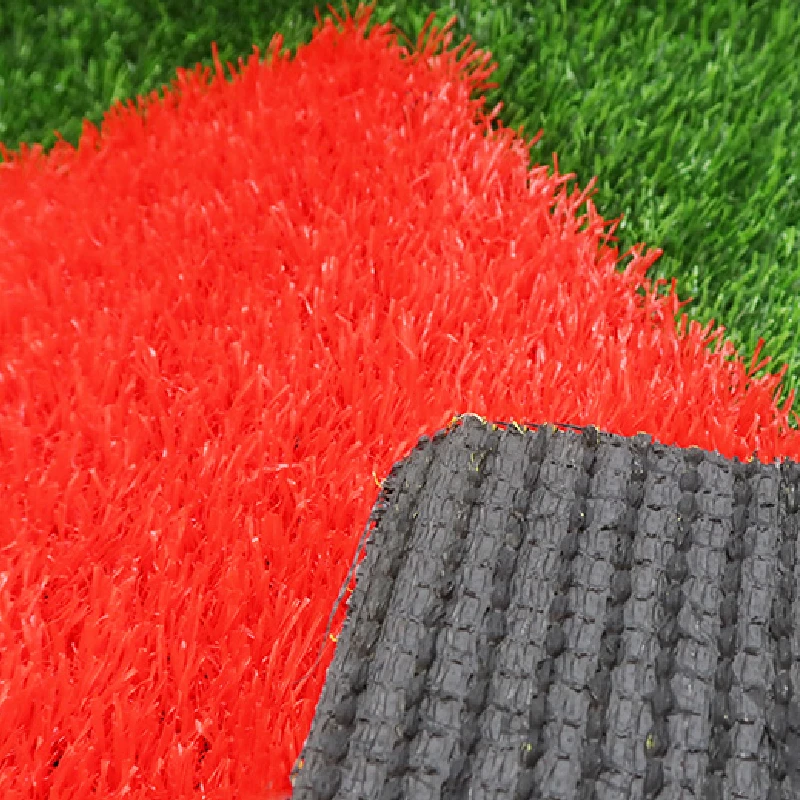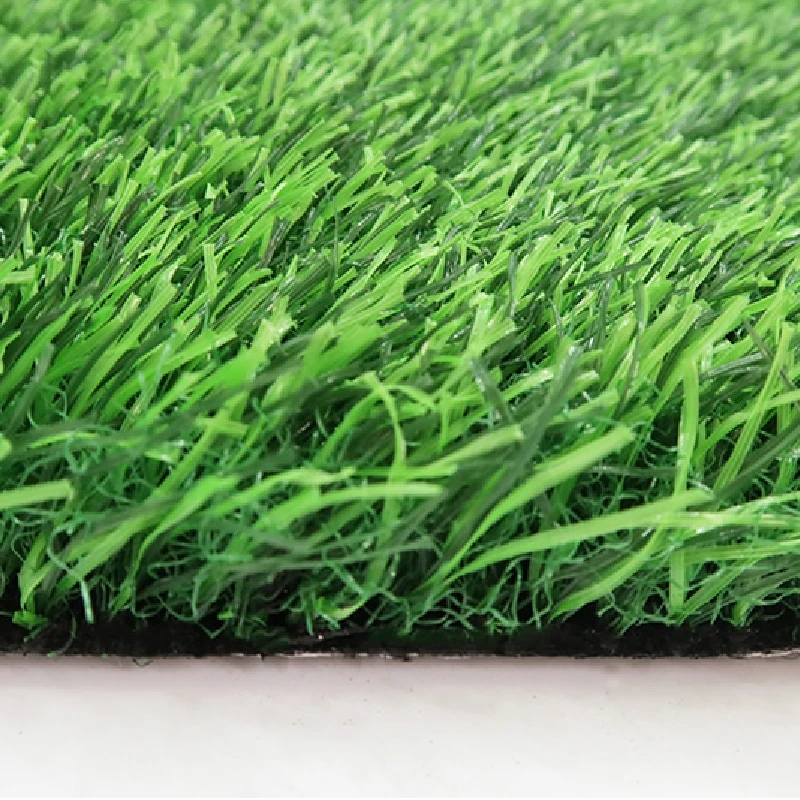
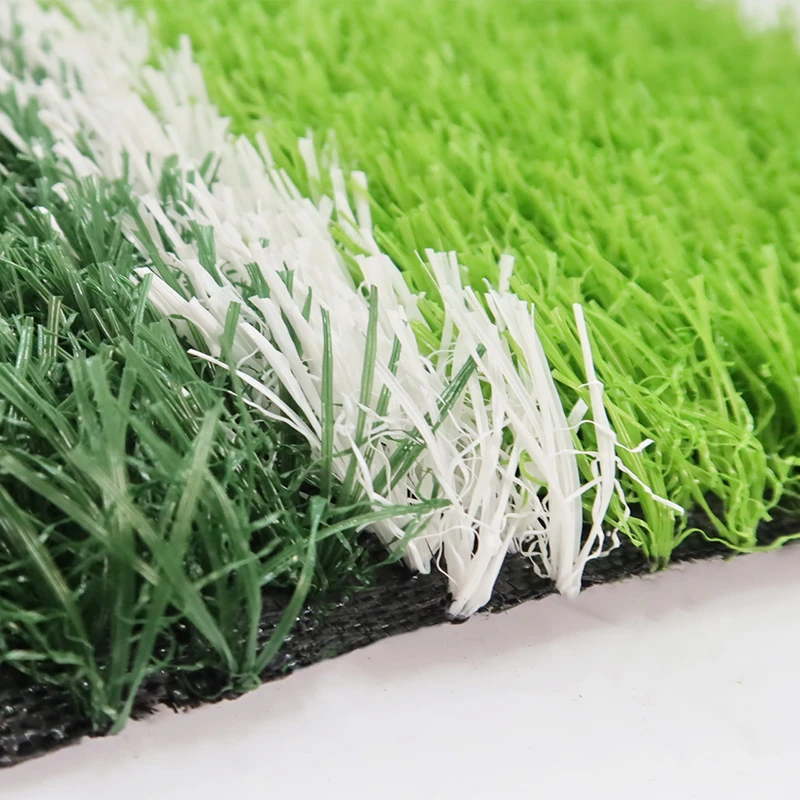
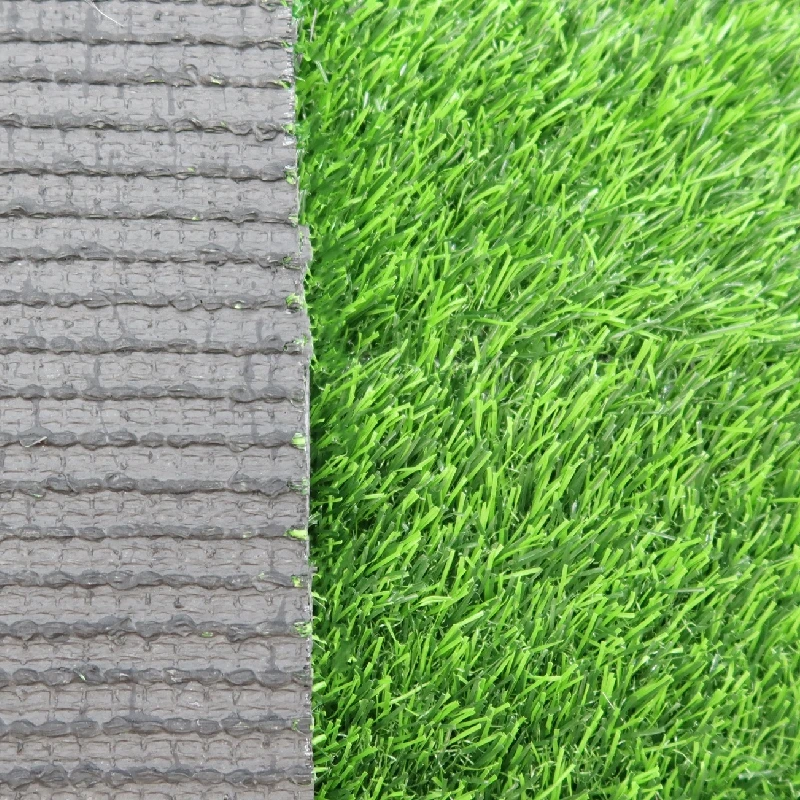
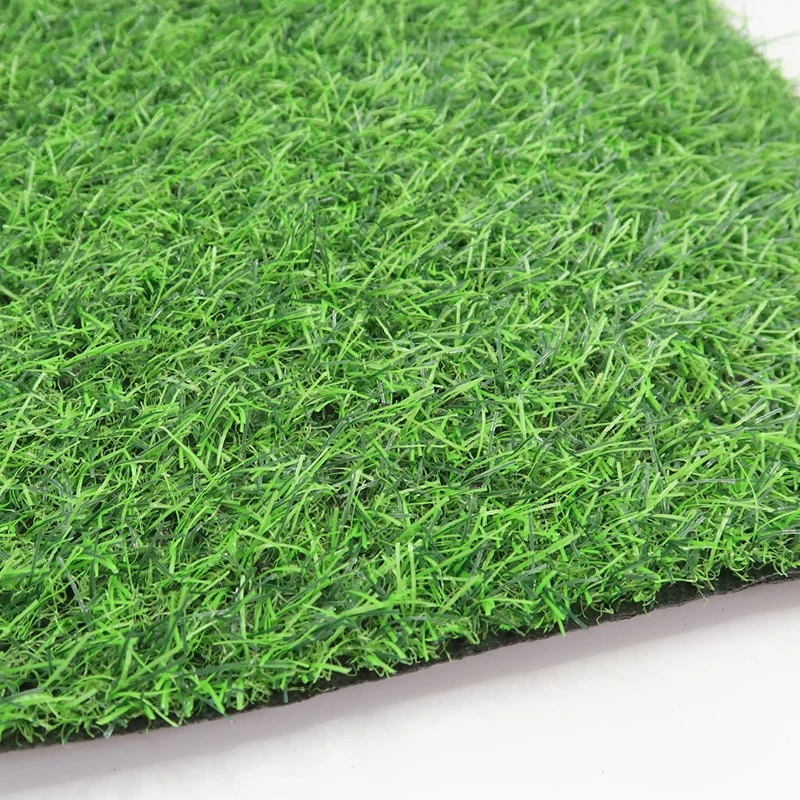
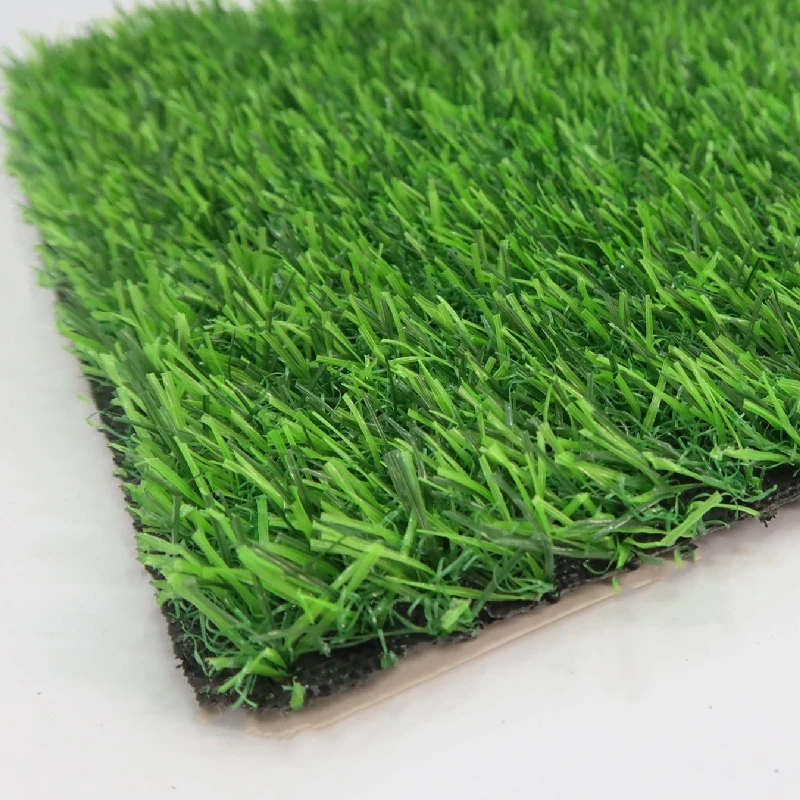
In Venezuela, the demand for synthetic turf is driven by the need for water-efficient landscaping in regions facing erratic precipitation and high humidity. The local industry has shifted toward high-density polyethylene (HDPE) fibers that can resist UV degradation under the intense South American sun, ensuring that installations like artificial grass for football maintain their structural integrity and color vibrancy.
Economic fluctuations have led to a preference for low-maintenance, long-term investments. Homeowners are increasingly replacing natural lawns with synthetic alternatives to reduce irrigation costs. This has sparked a trend in using artificial grass house solutions to create year-round green spaces that require zero chemical fertilizers, aligning with growing environmental consciousness.
Furthermore, the urban expansion in cities like Caracas has pushed the application of synthetic fibers indoors. The integration of artificial grass interior design is becoming a hallmark of modern Venezuelan commercial spaces, blending the organic feel of nature with the hygiene and durability of advanced plastic synthesis.