Welcome to Hoyarn
Call Us Any Time:+86 19801805999
Email Us: info@hoyarn.cn
Playground Turf Cost Explained: Durable, Safe, and Sustainable Solutions
Dec . 04, 2025 12:55 Back to list
Playground Turf Cost Explained: Durable, Safe, and Sustainable Solutions
Understanding Playground Turf Cost: What It Means and Why It Matters
Playground turf cost — odd phrase, right? Yet it’s profoundly important when cities, schools, and communities decide how to build safer, cleaner, more sustainable play spaces worldwide. In many ways, it’s a question of balancing budgets with safety, aesthetics with durability, and ultimately, kids’ well-being with environmental impact. When we dig into what influences playground turf cost, we’re really unpacking a complex puzzle that has ripple effects for urban planners, school districts, and even humanitarian efforts. And as playgrounds evolve with greener and more durable synthetic grass, understanding these costs has never been more relevant.
Global Context: Why Playground Turf Cost is a Worldwide Concern
According to recent UNESCO and World Health Organization studies, safe outdoor play areas directly impact child development and community health. Around 80% of urban children globally live in areas where playground safety is a serious concern. Simultaneously, the synthetic turf market is expected to grow at about 7% annually, driven largely by urban development in Asia-Pacific and North America (Statista).
But it’s not just about laying down fake grass. The playground turf cost covers supply, installation, maintenance, and sometimes even end-of-life recycling challenges. Many municipalities face tradeoffs between upfront expenses and softer long-term costs like durability and environmental impact—all while ensuring children have safe, accessible play spaces.
Defining Playground Turf Cost
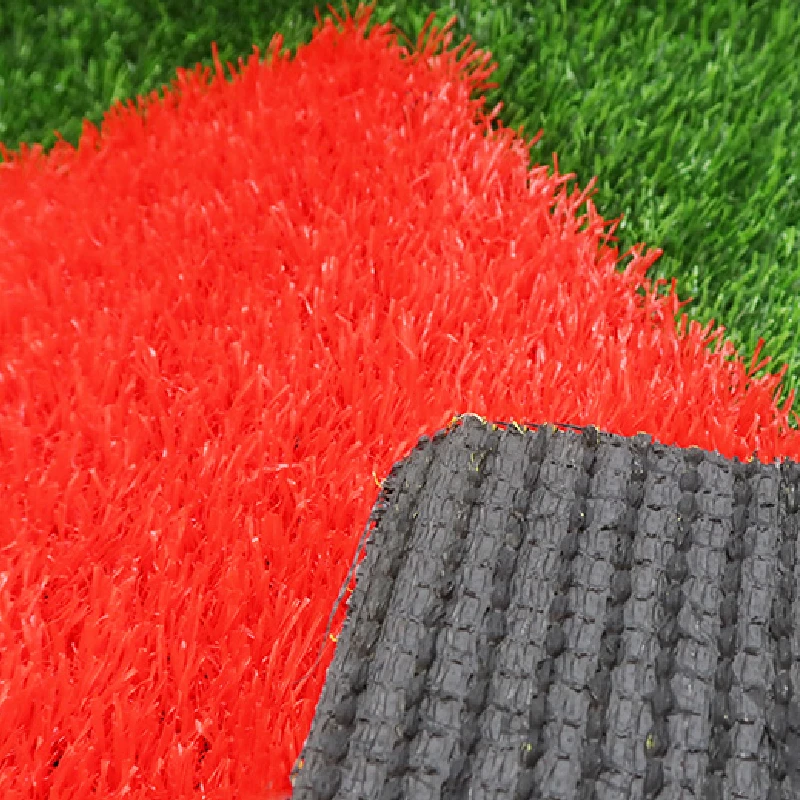
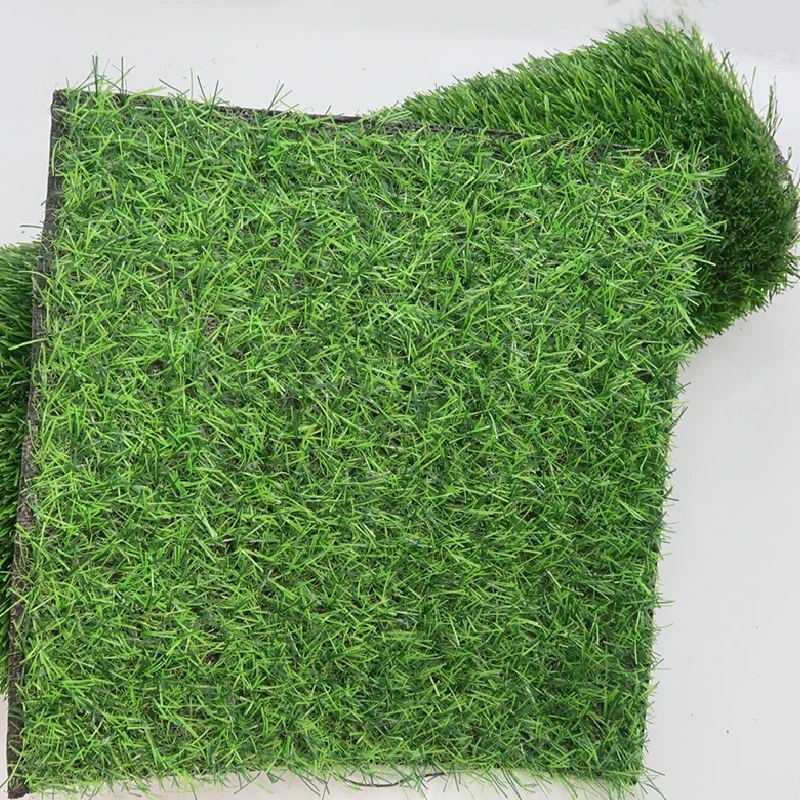
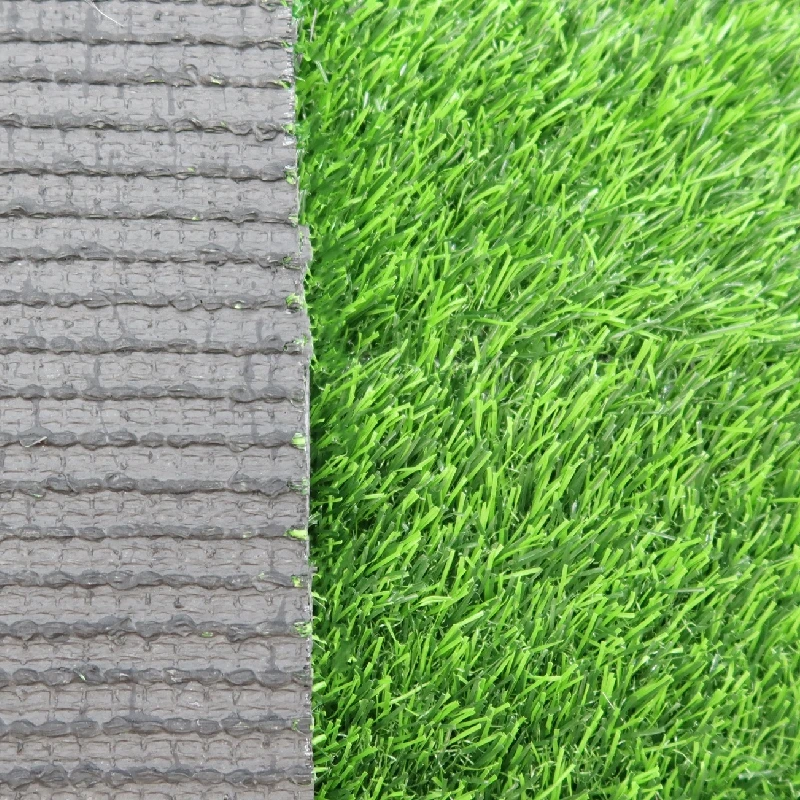
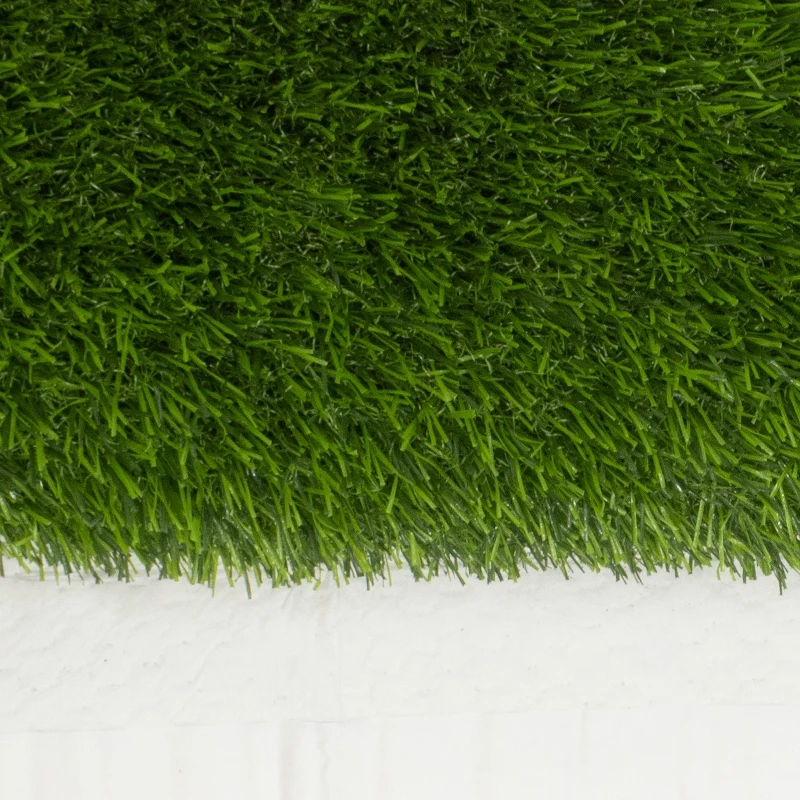
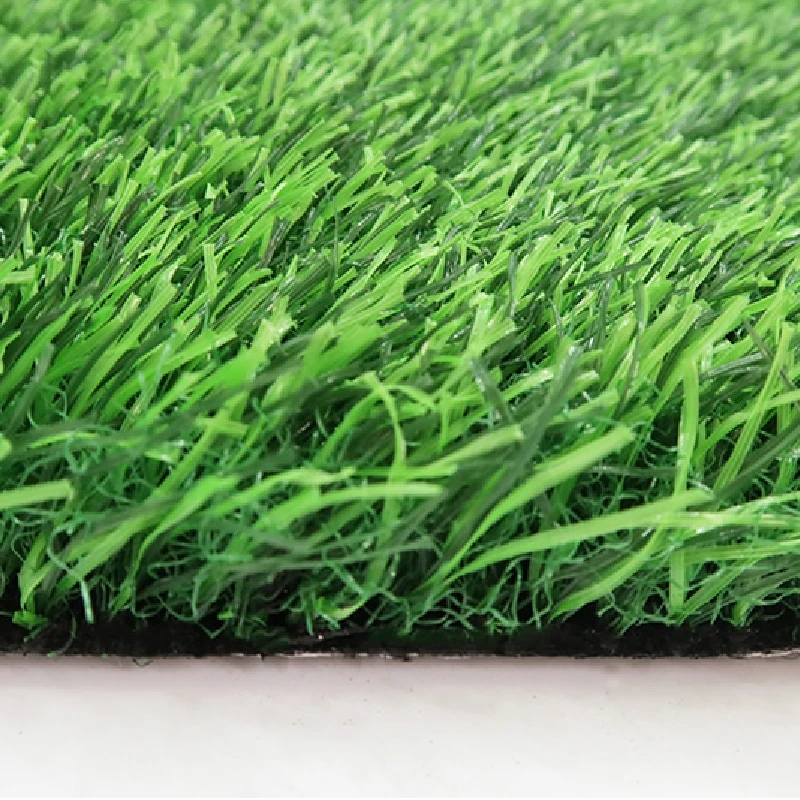
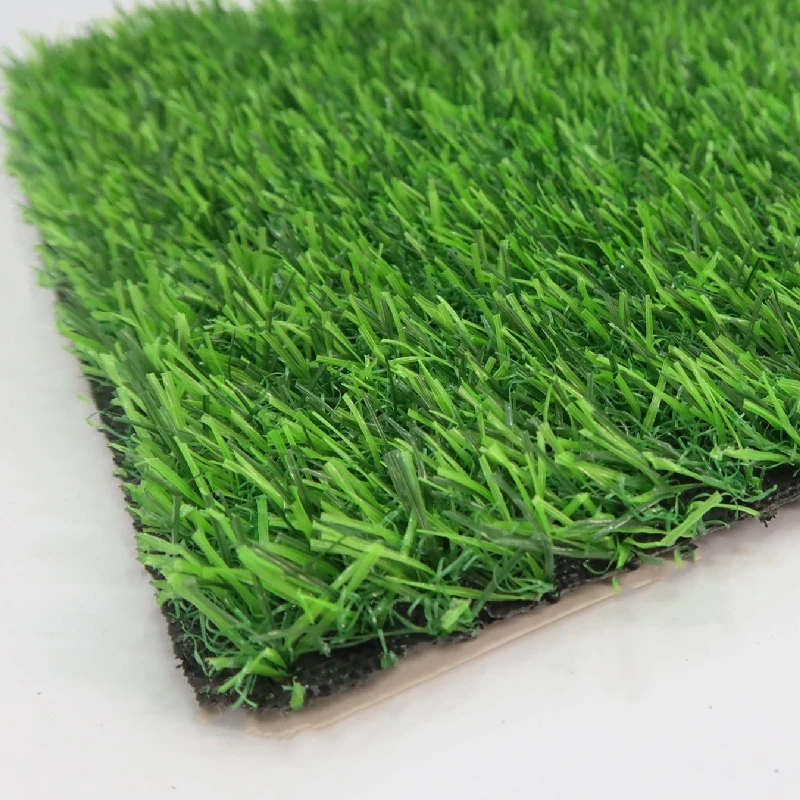
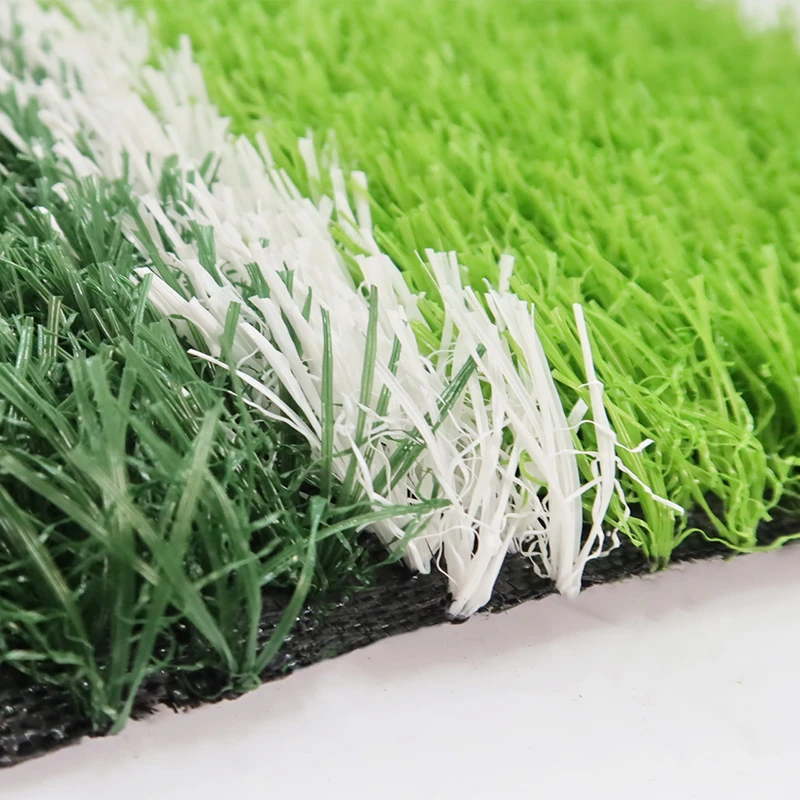
In simple terms, playground turf cost refers to the total expenses associated with acquiring, installing, and maintaining synthetic grass surfaces designed specifically for playgrounds. This includes the turf material itself, the shock-absorbing underlayers, labor, drainage systems, and any ongoing maintenance or infill replenishment.
More broadly, it intersects with urban planning, sustainability practices, and child safety regulations. Playgrounds aren’t just fun — they’re essential community assets, so the cost factors influence how well we preserve these spaces, especially where budgets are tight.
Key Factors That Shape Playground Turf Cost
1. Material Quality and Durability
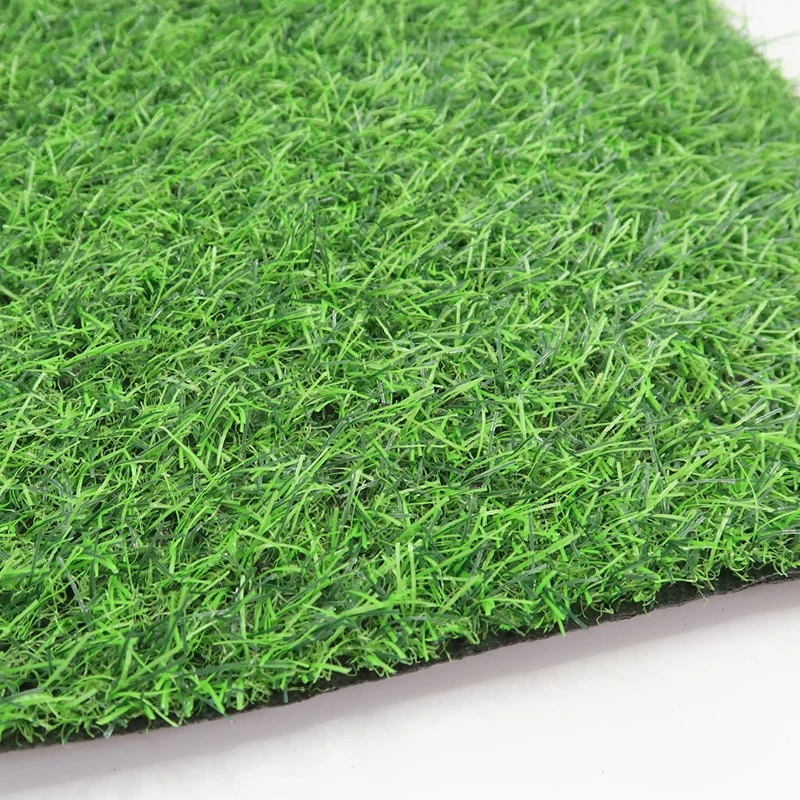
Not all turf is created equal. High-quality polypropylene or polyethylene fibers that mimic natural grass more closely tend to cost more upfront but last longer under heavy use and harsh weather. Durability reduces replacement frequency, which is a huge part of the total lifecycle cost.
2. Shock Absorption and Safety Standards
Playground turf often requires an impact-absorbing layer beneath it to meet safety certifications like ASTM or EN standards. These underpads can vary in complexity and cost, depending on the playground’s expected traffic and age range of users.
3. Installation Complexity
Costs spike if the site requires land grading, drainage installation, or removal of old surfaces. Raptors, drainage, and ensuring an even, safe surface aren’t luxuries — they’re must-haves for compliance and longevity.
4. Maintenance and Longevity
While synthetic turf avoids mowing or watering, upkeep is still essential to prevent matting and bacterial growth, especially in regions with extreme climates. Maintenance contracts or DIY upkeep factor into the ongoing expenses.
5. Environmental Considerations
Recycled materials or environmentally friendly infills can affect initial outlay but may reduce environmental impact, thus appealing to communities with sustainability goals.
Playground Turf Cost: A Quick Product Spec Table
| Specification | Typical Range |
|---|---|
| Turf Material | Polyethylene or Polypropylene fibers |
| Pile Height | 20–40 mm (ideal for children’s play) |
| Shock Pad Thickness | 10–40 mm (depending on standards) |
| Installation Cost per Sq. Meter | $40–$80 (varies by region & prep work) |
| Maintenance Cost Annually | $3–$6 per sqm |
| Expected Lifespan | 8–15 years |
Global Applications & Use Cases
So where do we actually see playground turf being deployed? From public parks in Singapore to community schools in Canada, synthetic playground turf is gaining ground as an alternative to traditional surfaces. It’s particularly popular in urban areas where maintenance of natural grass is not feasible or sustainable due to water restrictions or heavy usage.
Oddly enough, some humanitarian aid projects also leverage modular turf solutions for temporary playground installations in refugee camps, providing children with safer play options when bare earth might be muddy or hazardous.
Sports facilities worldwide also increasingly adopt playground-style turf because it’s practical for multipurpose fields used by kids of all ages on a budget.
Vendor Comparison: Playground Turf Providers
| Vendor | Material Types | Installation Services | Warranty | Sustainability Certification |
|---|---|---|---|---|
| GreenPlay Turf | Polyethylene & Recycled Materials | Full Install & Maintenance | 10 Years | ISO 14001 Certified |
| SafeStep Turf | Polypropylene High-Durability | Install Only | 7 Years | LEED Compliant Materials |
| EcoTurf Solutions | Recycled Fibers + Organic Infill | Design & Install | 12 Years | Cradle to Cradle Certified |
Advantages & Long-Term Value of Considering Playground Turf Cost
Frankly, the benefits extend well beyond price tags. The upfront investment usually offsets water savings (no irrigation needed), reduced injury risks due to engineered cushioning, and aesthetic appeal that lasts year-round. You feel safer knowing your children are playing on surfaces tested for impact attenuation, and it fosters inclusion for kids with mobility challenges due to its smoothness.
The sustainability angle can’t be overstated either—with advances in recycled turf fibers and eco-friendly infills, playground turf today increasingly aligns with green building goals. Communities adopting these solutions often report higher usage rates and greater pride in their parks.
Emerging Trends & Innovations Impacting Playground Turf Cost
Artificial turf producers are exploring bio-based fibers, next-gen infills that resist microbial growth naturally, and smart turf technology that monitors wear and usage patterns in real-time. Automation in installation and recycled material sourcing aim to reduce cost pressures while improving quality.
Regulatory moves toward sustainability and circular economy models worldwide are also reshaping supply channels. For anyone budgeting playground turf, keeping an eye on these trends can lead to smarter investments.
Challenges & Smart Solutions
Of course, there are hurdles. Improper installation can cause drainage issues, high ambient temperatures in summer raise surface heat concerns, and some infills can pose allergy or chemical exposure questions. Yet, expert installers counter these risks by using porous backing layers, heat-reducing technology, and certified hypoallergenic infills.
No surprise — investing in a certified installer and quality materials ultimately lowers unexpected replacements or costly repairs. This speaks to why understanding the complete playground turf cost—not just sticker prices—makes all the difference.
Frequently Asked Questions About Playground Turf Cost
- Q: What factors most influence the total playground turf cost?
A: Mainly material quality, site prep needs, safety cushioning, and installation complexity. Hidden factors include maintenance and warranties. - Q: Can playground turf be environmentally friendly?
A: Yes, especially when using recycled fibers and organic infills. Look for vendors with sustainability certifications. - Q: How long does synthetic playground turf typically last?
A: Expect 8–15 years depending on usage and maintenance. - Q: Is playground turf cost higher than installing natural grass?
A: Installation is often more expensive upfront, but turf’s low maintenance and water savings can offset long-term expenses. - Q: What maintenance is required for playground turf?
A: Regular brushing, debris removal, infill topping, and periodic sanitization keep turf safe and looking good.
Conclusion + Call to Action
Choosing the right playground turf cost strategy is more than a line-item calculation—it’s about investing in safety, sustainability, and community well-being for years to come. Whether you’re overseeing a school renovation or a city park upgrade, understanding all facets of the cost — from materials to maintenance—is key to making a wise, durable choice.
If you’d like to explore options or request a detailed estimate, don’t hesitate to visit our website and see firsthand how cutting-edge, cost-effective playground turf solutions can transform your community spaces.
In real terms, playground turf is more than fake grass—it’s a smart investment in safer, greener, happier play.
Quick Takeaway: Investing a bit more upfront in quality playground turf usually pays off through durability, safety, and reduced upkeep—making the cost smarter in the long run.
Latest news
-
Creating the Perfect Fake Grass Area for Dogs Complete Guide
NewsApr.16,2026
-
Guide to Using Fake Grass and Pets for a Pet Friendly Lawn
NewsApr.09,2026
-
Fake Grass and Dogs Creating a Pet Friendly and Durable Yard
NewsApr.07,2026
-
Maintaining a Pristine Lawn with Fake Grass and Dog Wee Management Solutions
NewsApr.04,2026
-
The Ultimate Guide to Choosing the Perfect Fake Dog Grass Patch for Your Pet
NewsMar.31,2026
-
Discover the Benefits of High Quality Fake Dog Grass for Potty Training
NewsMar.28,2026
Products categories