Welcome to Hoyarn
Call Us Any Time:+86 19801805999
Email Us: info@hoyarn.cn
Innovative 4G Artificial Grass for Sustainable, Durable Green Surfaces
Nov . 29, 2025 05:15 Back to list
Innovative 4G Artificial Grass for Sustainable, Durable Green Surfaces
Understanding 4G Artificial Grass: The Future of Green Surfaces
If you’ve ever walked on artificial grass, you probably didn't think much about its technological advancements. But 4g artificial grass changes that picture entirely—it's not just about looking green or saving water anymore, it's about a sophisticated product designed for sustainability, durability, and versatile applications worldwide. In this article, we’ll explore why 4g artificial grass is more than a trend, why it matters globally, and how it’s shaping industries from sports to disaster relief.
Why 4G Artificial Grass Matters Globally
Artificial turf has been around for decades, but 4g artificial grass represents a leap forward—combining realistic aesthetics, improved environmental footprint, and practical functionality. According to ISO reports, the global landscaping industry consumes millions of cubic meters of water annually. In drought-prone regions—think California, Australia, or parts of Spain—replacing natural turf with advanced artificial grass cuts down water use dramatically. The UN’s Sustainable Development Goals also emphasize responsible consumption and climate action, making 4g artificial grass a timely innovation.
Yet, the challenge remains: how do we replace traditional lawns sustainably without compromising the feel or performance? 4g artificial grass tackles this by using next-generation materials and design improvements that make it not just greener, but smarter, tougher, and more adaptable for different purposes.
Mini takeaway: Globally, 4g artificial grass addresses pressing environmental and logistical challenges by offering a water-saving, eco-friendly alternative that fits industries spanning landscaping, sports, and rapid infrastructure deployment.
What exactly is 4G Artificial Grass?
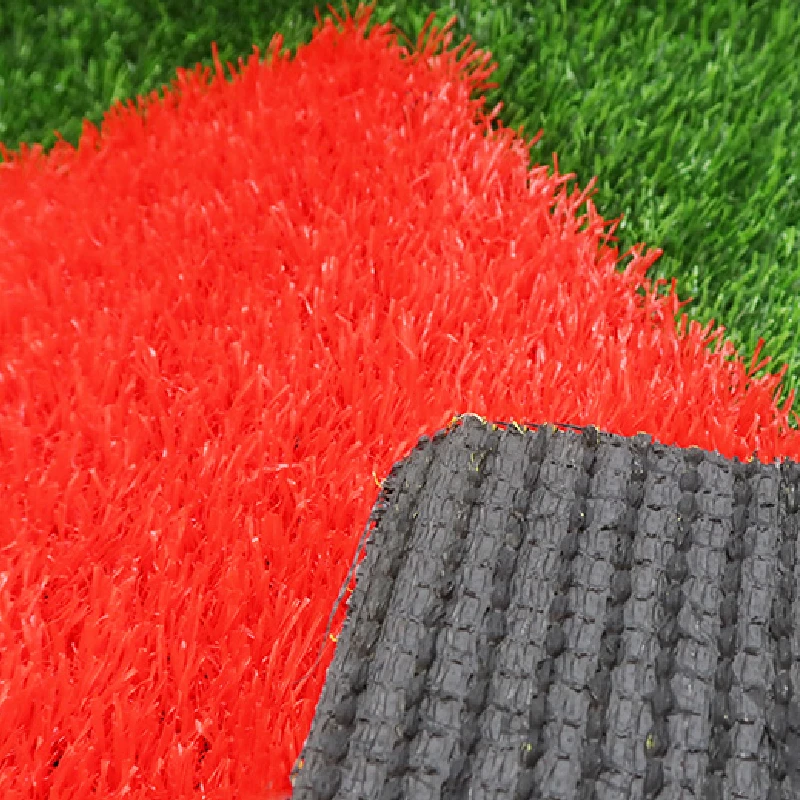
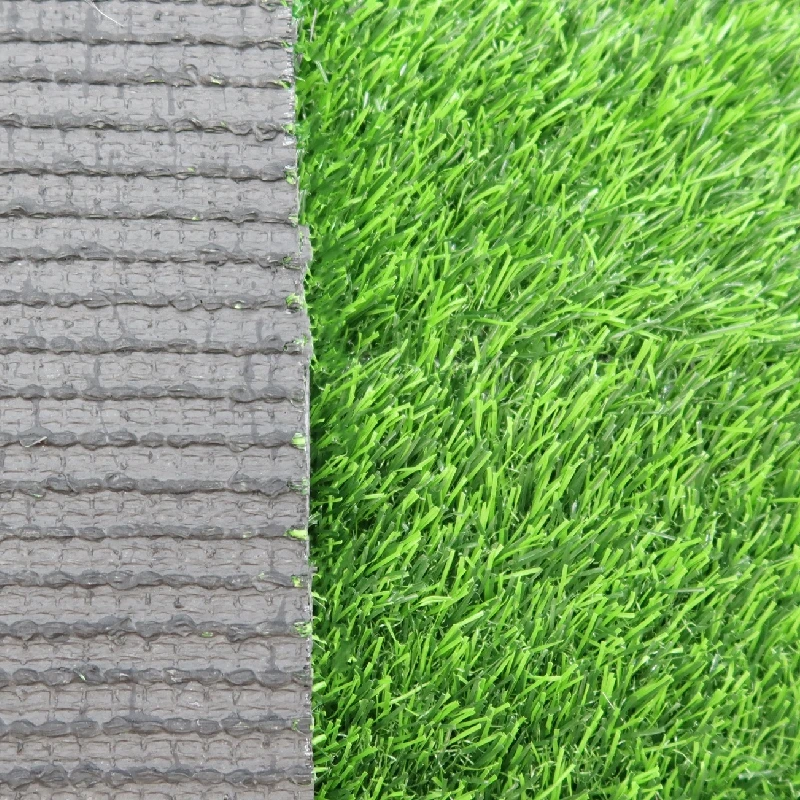
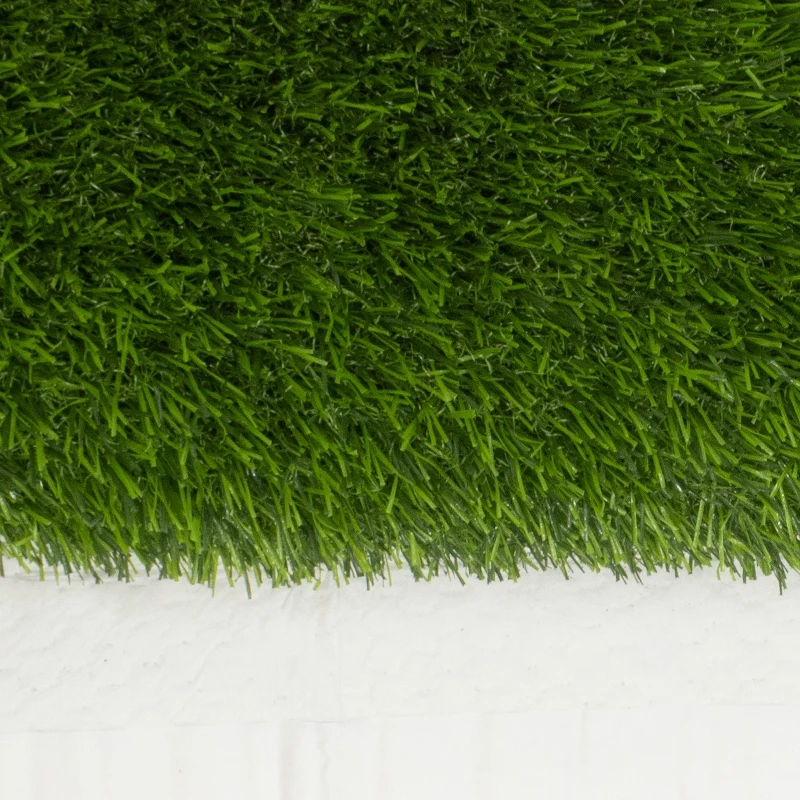
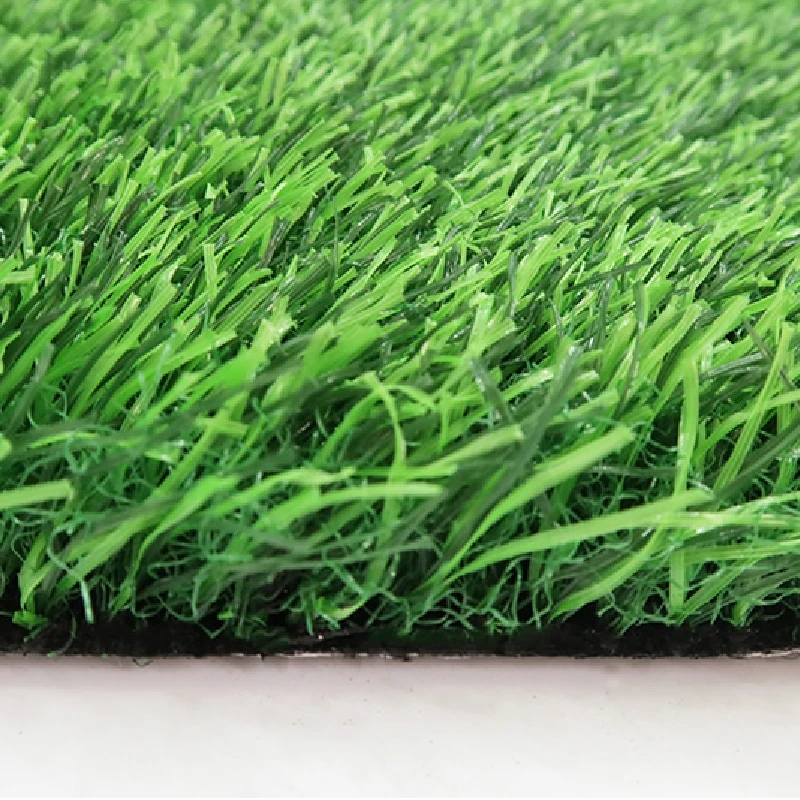
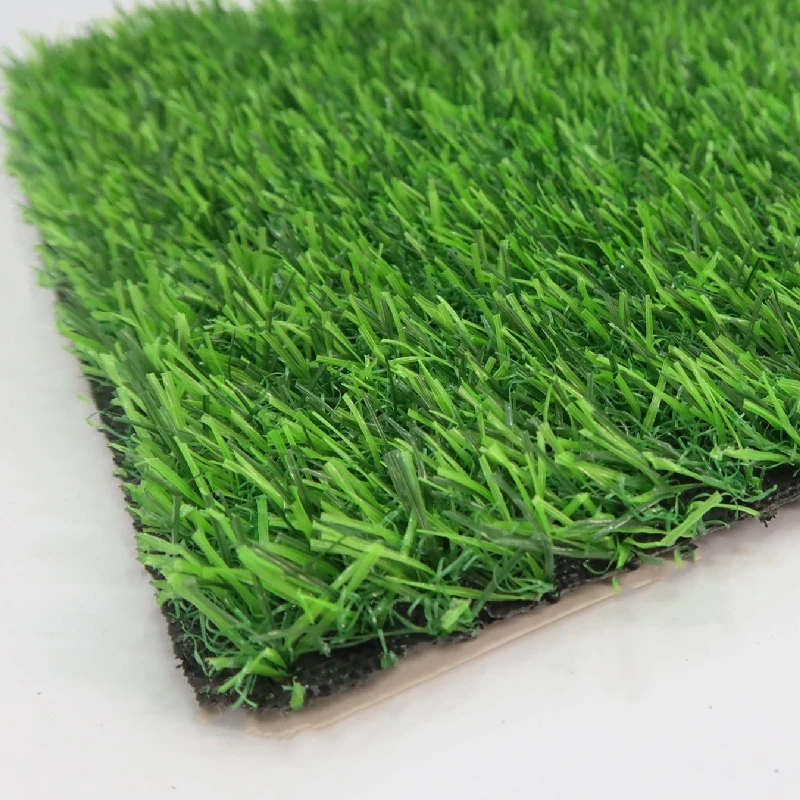
In simple terms, 4g artificial grass is the fourth generation of synthetic turf technology. Unlike earlier versions, it closely mimics natural grass with softer fibers, better drainage, and UV resistance that extends its lifespan. It’s engineered from recycled and recyclable materials, making it more environmentally sound. More than just backyard landscaping, 4g artificial grass is used in commercial sports fields, event spaces, playgrounds, and even in humanitarian contexts.
It’s not just about aesthetics, either. Its multi-layer structure aligns with modern demands for durability, comfort, and environmental compliance. Think of it as high-performance flooring that works everywhere—from urban parks in Europe to harsh deserts in Africa.
Core Components that Make 4G Artificial Grass Stand Out
1. Durability and Resistance
The fibers are crafted to resist wear, UV rays, and harsh weather. Many engineers mention how 4g artificial grass keeps its texture and color for over 10 years without major degradation — a big departure from older products.
2. Eco-Friendly Materials
Unlike the third generation that relied heavily on virgin plastics, 4g artificial grass often incorporates recycled yarn and a backing free from harmful chemicals. This reduces microplastic runoff and supports a circular economy.
3. Enhanced Drainage System
The backing layer is designed with advanced drainage pores, preventing waterlogging and mold growth. For areas with heavy rainfall, this reduces maintenance headaches and extends the turf’s service life.
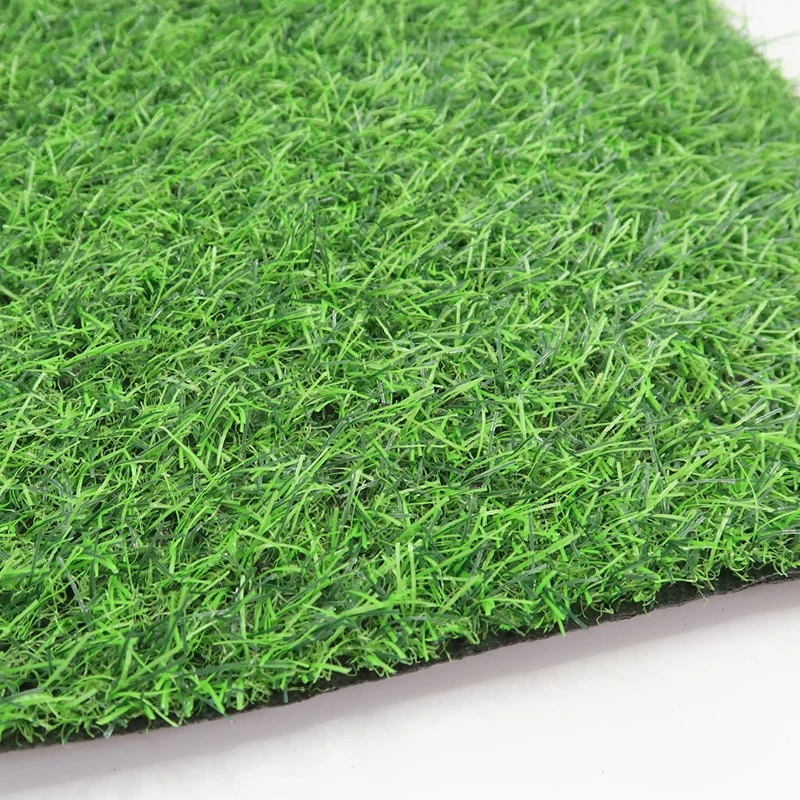
4. Realistic Texture and Color
Manufacturers now blend different shades and fiber thicknesses, mimicking natural grass’s randomness. This has a psychological effect making artificial lawns feel less "plastic" and more inviting.
5. Scalability and Customization
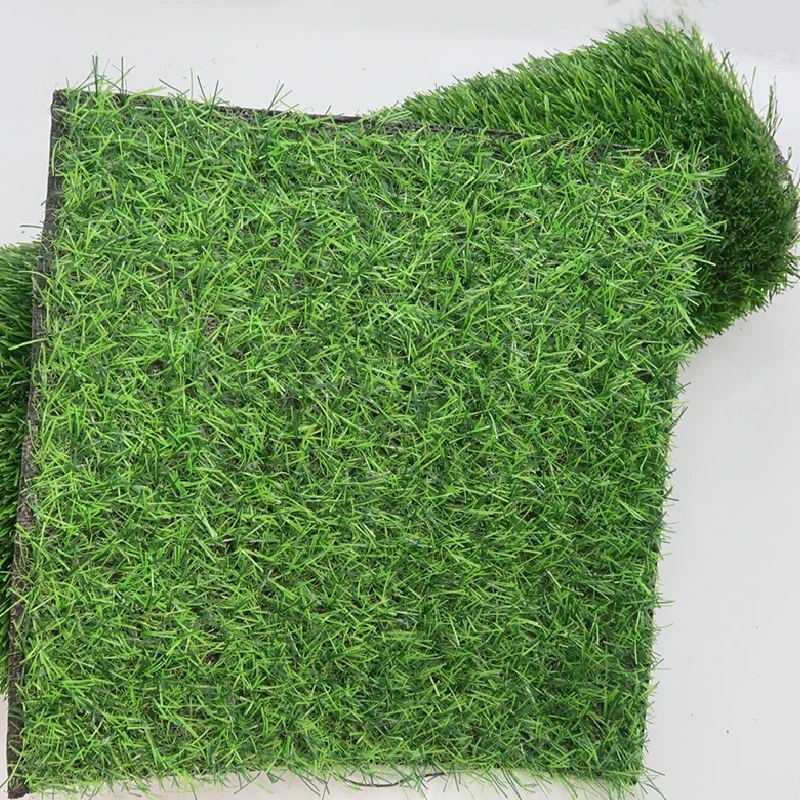
Since 4g artificial grass comes in modular panels, it’s easier to customize sizes and densities for different uses. Whether it’s a small balcony garden or a massive football stadium, the product scales up or down effortlessly.
Mini takeaway: 4g artificial grass is a refined, multi-faceted product combining durability, environmental responsibility, and customizable design suited to a breadth of applications worldwide.
Real-World Applications of 4G Artificial Grass
When it comes to practical use, these grass solutions have found homes in places you might not expect:
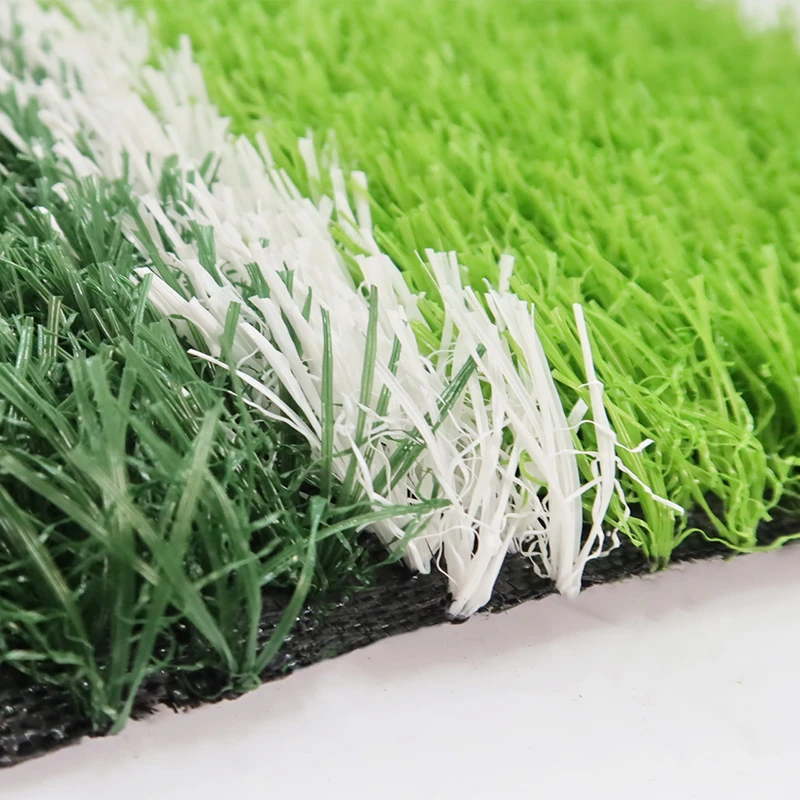
- Sports Facilities and Stadiums: The consistency and shock absorbency enhance player safety and enable year-round use regardless of weather.
- Urban Landscaping: Parks and rooftop gardens benefit from low maintenance and vibrant aesthetics.
- Disaster Relief and Emergency Deployments: In refugee camps or post-disaster zones, quick, durable temporary flooring that doesn’t degrade quickly is a huge plus.
- Industrial Sites: Covering muddy or dusty grounds reduces environmental impact and improves worker safety.
For example, the World Bank highlighted projects in drought-hit areas of Kenya where communities installed artificial grass playgrounds that not only saved water but also became safe social spaces. It’s a tangible social impact in real terms.
4G Artificial Grass Specification Table
| Specification | Details |
|---|---|
| Fiber Material | Recycled polyethylene & nylon blend |
| Pile Height | 30-40 mm (customizable) |
| Backing | Perforated, UV and mold-resistant |
| Drainage Rate | ≥40 inches/hour |
| UV Resistance | 8,000+ hours |
| Warranty | 10 years |
Comparing Leading 4G Artificial Grass Vendors
| Vendor | Eco Features | Customization | Price Range (per m²) | Lead Time |
|---|---|---|---|---|
| GreenTurf Pro | 95% recycled materials | High (pile, color, density) | $18 - $25 | 2-3 weeks |
| EcoGrass Tech | Biodegradable backing | Medium | $20 - $28 | 3-4 weeks |
| HoyaN Grass | Recyclable yarn & advanced drainage | Very High | $17 - $23 | 1-2 weeks |
Advantages and Long-Term Value of 4G Artificial Grass
On a practical level, the advantages are clear: lower water bills, less time mowing or fertilizing, and no mud or pests. But it’s more than that—there’s a subtle emotional comfort in knowing your green space is sustainable, safe for kids and pets, and reliable regardless of climate. The social value is visible in schools and community parks where safe play zones exist year-round.
Trust me, once you experience how a 4g artificial grass surface holds up year-round, it’s hard to go back. The long warranty and proven materials make it a solid investment even when budgets are tight. And ultimately, it supports global efforts towards responsible water use and urban greening — so it’s good for your wallet and your conscience.
Future Trends and Innovations
Development never stops—coming innovations in 4g artificial grass include integrating IoT sensors to monitor surface conditions in real time, further improvements in biodegradable fiber components, and enhanced recycling programs at product end-of-life. Some manufacturers are exploring solar panels embedded beneath artificial lawns to generate green energy.
Digital design software also lets landscapers simulate grass placement and density, helping clients visualize their projects before purchase — making the buying process quicker and more precise.
Challenges and Solutions
Still, the technology faces hurdles. Heat retention can be uncomfortable in hot climates, and improper installation sometimes leads to drainage issues. But clever solutions like cooling infills and better base preparation techniques are emerging. Plus, educating installers and users on maintenance extends product longevity.
Mini takeaway: Challenges exist but innovations in materials and installation techniques keep raising 4g artificial grass’s reliability and user satisfaction.
Frequently Asked Questions About 4G Artificial Grass
Q1: How does 4g artificial grass compare to natural grass in water usage?
A: 4g artificial grass uses virtually no water for maintenance, compared to natural lawns which can consume thousands of liters annually, especially in dry climates. This leads to significant water savings and lower outdoor water bills.
Q2: Can 4g artificial grass be installed on uneven terrain?
A: Yes. Thanks to its modular design and flexible backing, 4g artificial grass can be laid over various surfaces, including uneven or sloped areas, provided proper base preparation is done to ensure stability and drainage.
Q3: How eco-friendly is the product really?
A: Modern 4g artificial grass blends recycled yarns and recyclable backings, minimizing environmental impact. While it’s not biodegradable fully, recycling programs and durable lifespans help reduce waste, making it a greener alternative to traditional options.
Q4: Is maintenance difficult for 4g artificial grass?
A: Maintenance is relatively simple—occasional brushing to keep fibers upright and rinsing to remove dust or debris. Unlike natural grass, it requires no mowing, fertilizing, or pesticides.
Q5: How quickly can 4g artificial grass be delivered and installed?
A: Depending on vendor and customization, delivery can take from 1 to 4 weeks. Installation often takes a few days to a week for medium-to-large projects, making it ideal for projects needing speedy turnaround.
Conclusion: Why Now is the Time to Explore 4G Artificial Grass
Summing up, 4g artificial grass is not just a product — it’s a smart, sustainable solution responding to real global needs: water scarcity, maintenance reduction, and environmental responsibility. Its broad applications across sports, urban spaces, humanitarian relief, and industry make it a versatile choice for modern landscaping.
For innovative, durable, eco-friendly options that improve the way we experience green spaces, it’s worth diving into what 4g artificial grass can offer your next project.
Want to see how it fits your needs? Check out the latest offerings and custom solutions at 4g artificial grass.
References
Latest news
-
Creating the Perfect Fake Grass Area for Dogs Complete Guide
NewsApr.16,2026
-
Guide to Using Fake Grass and Pets for a Pet Friendly Lawn
NewsApr.09,2026
-
Fake Grass and Dogs Creating a Pet Friendly and Durable Yard
NewsApr.07,2026
-
Maintaining a Pristine Lawn with Fake Grass and Dog Wee Management Solutions
NewsApr.04,2026
-
The Ultimate Guide to Choosing the Perfect Fake Dog Grass Patch for Your Pet
NewsMar.31,2026
-
Discover the Benefits of High Quality Fake Dog Grass for Potty Training
NewsMar.28,2026
Products categories