Welcome to Hoyarn
Call Us Any Time:+86 19801805999
Email Us: info@hoyarn.cn
Indoor Sports Turf Options for Enhanced Performance and Versatile Training Spaces
Dec . 05, 2024 14:36 Back to list
Indoor Sports Turf Options for Enhanced Performance and Versatile Training Spaces
The Rise of Indoor Facility Turf A Game Changer for Sports and Recreation
In recent years, the popularity of indoor facility turf has soared, transforming the landscape of sports and recreational activities. The significance of this development lies not only in providing year-round training and playing opportunities but also in enhancing the experience for athletes and recreational players alike. This article delves into the advantages, applications, and future prospects of indoor facility turf.
Advantages of Indoor Facility Turf
One of the primary benefits of indoor turf facilities is the ability to engage in sports regardless of weather conditions. Rain, snow, and extreme temperatures can severely disrupt schedules for outdoor sports, leading to cancellations and limited practice times. Indoor turf provides a controlled environment where athletes can train and compete without these weather-related interruptions. This reliability is essential for team training, individual practice, and competitive events.
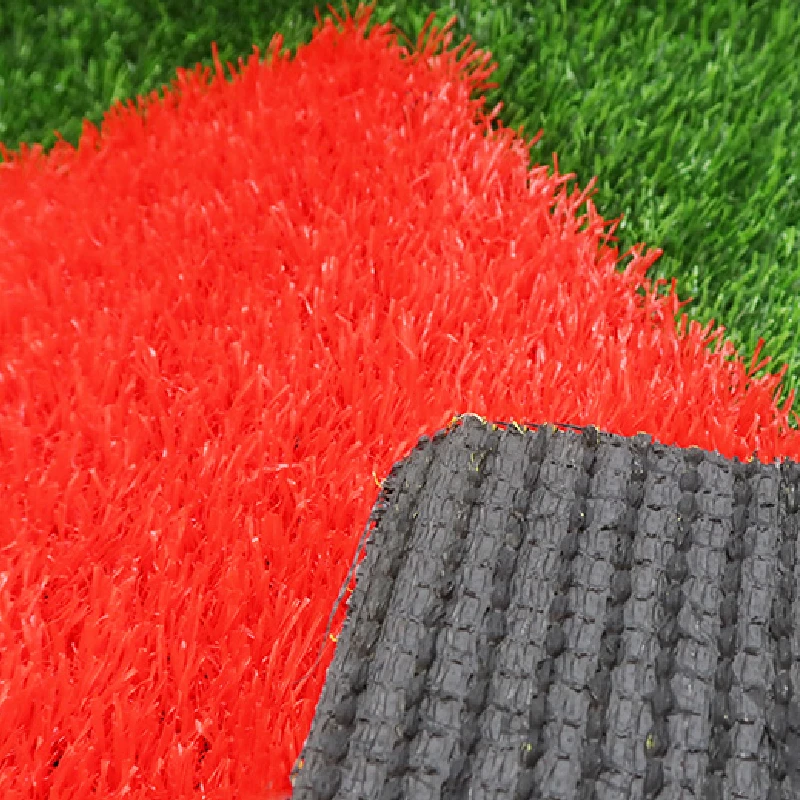
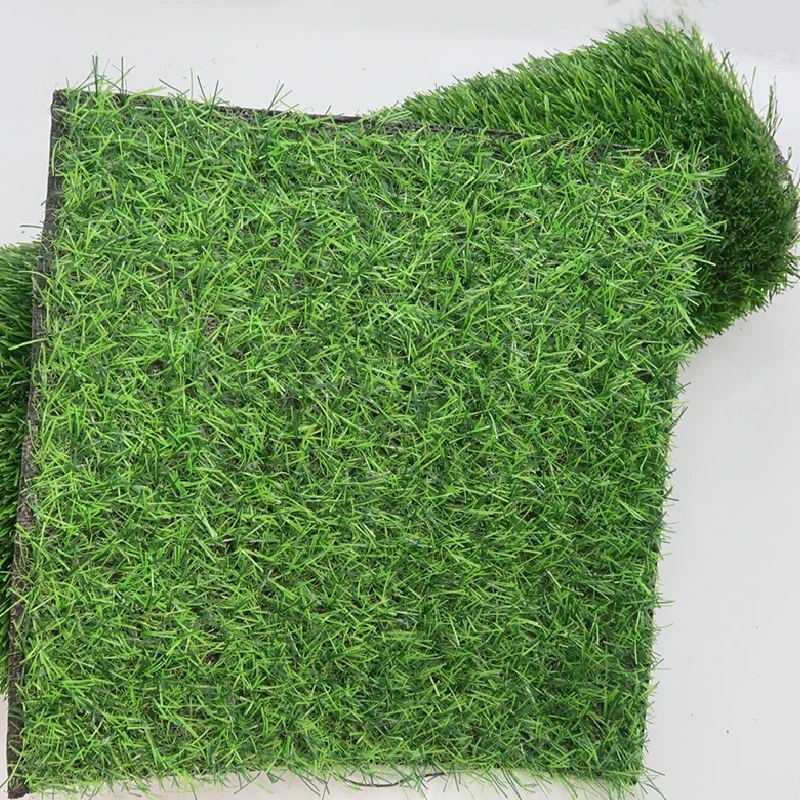
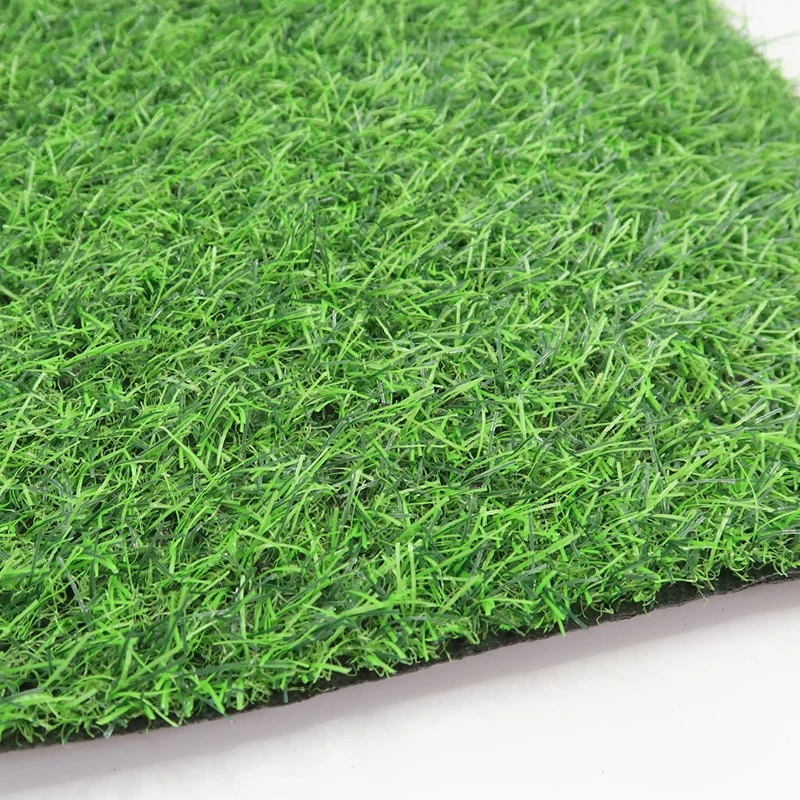
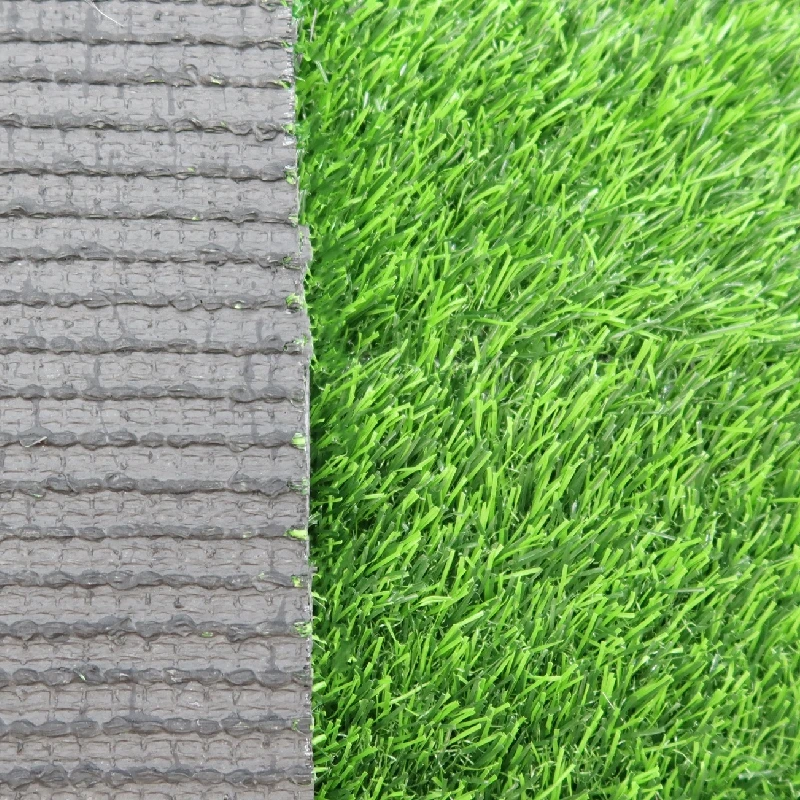
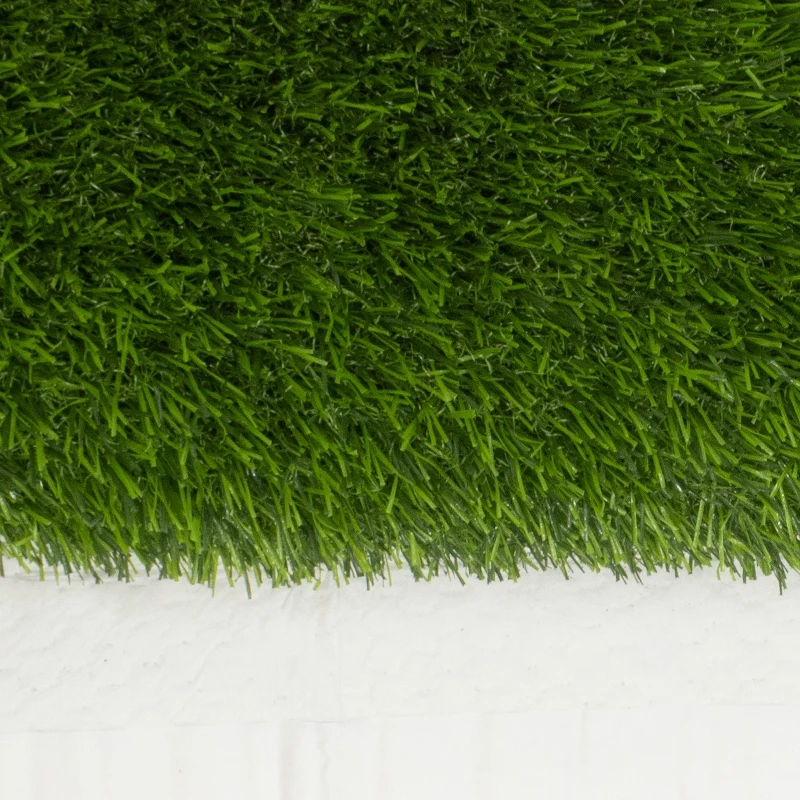
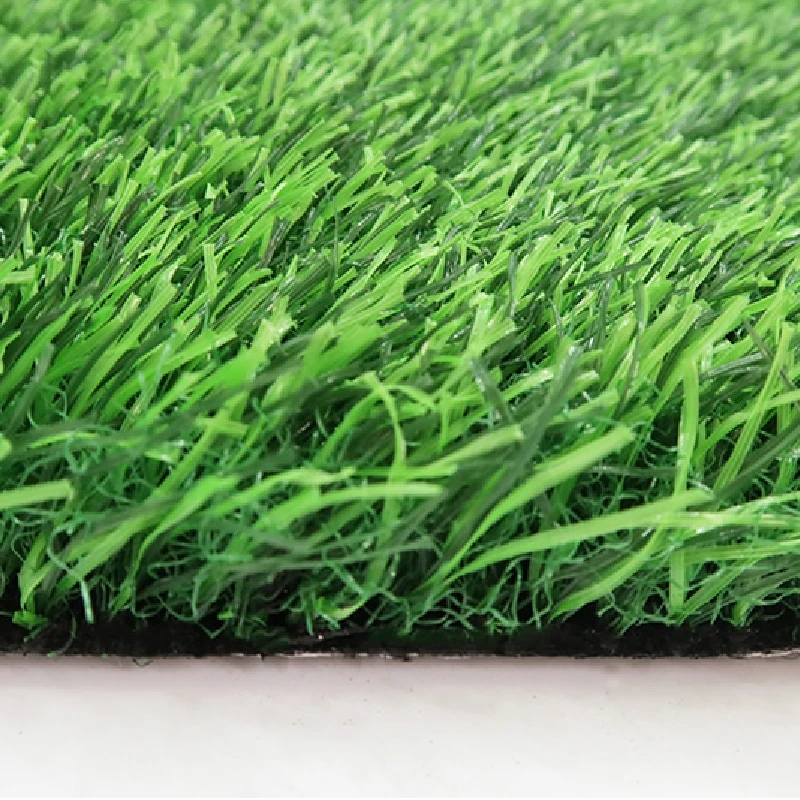
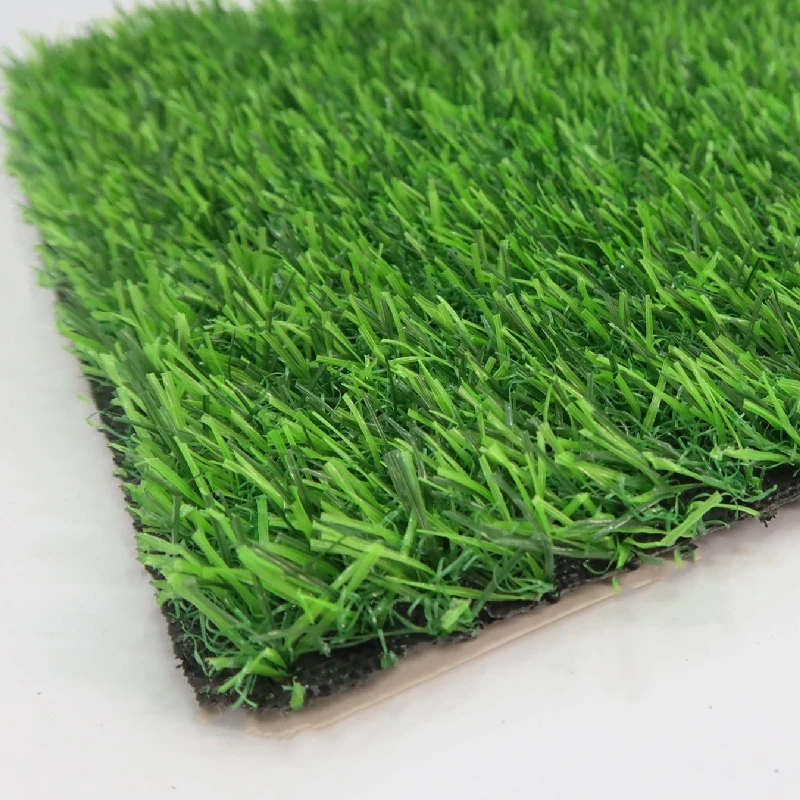
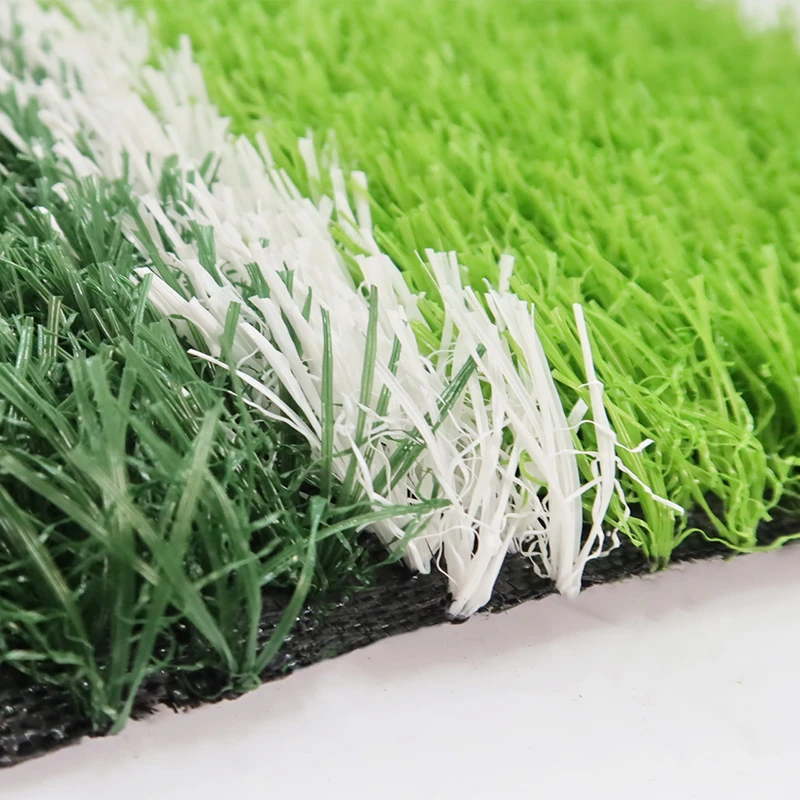
Furthermore, indoor turf surfaces are engineered to mimic the feel and performance of natural grass, while also offering superior durability. This quality allows for high-intensity play without the wear and tear associated with natural surfaces. Turf fields can handle a variety of activities, including soccer, football, lacrosse, and even events such as agility training and general fitness workouts. This versatility makes indoor facilities a valuable asset for sports clubs, schools, and community centers.
Health and Safety Considerations
Safety is a crucial aspect of any sporting environment, and indoor turf surfaces are designed with this in mind. Advanced turf technology includes shock-absorbing layers that reduce the risk of injury from falls or hard impacts. Traditional outdoor fields can often become muddy or uneven, increasing the chances of slips and falls. In contrast, indoor turf provides a consistent playing surface, minimizing these risks and fostering a safer environment for athletes.
In addition to physical safety, indoor turf facilities can also promote health by encouraging more sedentary individuals to participate in sports and fitness activities. The convenience of an indoor facility encourages community members of all ages to become active, regardless of the season. Programs can be designed for youth leagues, adult recreation leagues, and fitness classes, thus promoting a healthier lifestyle in the community.
indoor facility turf
Cost-Effectiveness and Accessibility
From a financial perspective, indoor turf facilities present an attractive investment for municipalities, schools, and private enterprises. While the initial cost of construction may be high, the long-term benefits often outweigh these expenses. Indoor turf can accommodate a larger number of events and activities throughout the year, thus generating more revenue. Additionally, the all-weather capability of indoor facilities allows for consistent bookings, making them financially viable.
Accessibility is another significant factor. Indoor facilities often operate on a flexible schedule, allowing users to book time slots that suit their needs. This flexibility is particularly beneficial for youth sports programs, where parents’ schedules can vary. The ability to offer early morning, evening, and even weekend sessions ensures that more individuals can participate in sports, contributing to community engagement and sports development.
Future Prospects
The future of indoor facility turf looks promising as technology continues to advance. Innovations in turf materials and designs are focused on improving performance while reducing environmental impact. Sustainable practices are becoming increasingly important in facility design, leading to new systems that utilize renewable resources and minimize waste.
Furthermore, as esports gain traction, many indoor facility developers are integrating technology into their designs. Virtual reality training systems and augmented reality experiences are beginning to complement traditional sports activities, appealing to a younger, tech-savvy demographic. Facilities may emerge that cater specifically to both physical sports and esports, creating unique multi-functional spaces.
Conclusion
Indoor facility turf has become a game changer in the world of sports and recreation, offering numerous benefits from safety and accessibility to economic viability. As communities continue to seek ways to promote physical activity, the establishment and improvement of indoor turf facilities will play an essential role. Embracing these advancements not only enhances athletic performance but also contributes to healthier, more active communities, bridging the gap between sport, recreation, and innovation. As we look to the future, the evolution of indoor turf facilities will undoubtedly shape the dynamics of sports and leisure for generations to come.
Next:
Latest news
-
Creating the Perfect Fake Grass Area for Dogs Complete Guide
NewsApr.16,2026
-
Guide to Using Fake Grass and Pets for a Pet Friendly Lawn
NewsApr.09,2026
-
Fake Grass and Dogs Creating a Pet Friendly and Durable Yard
NewsApr.07,2026
-
Maintaining a Pristine Lawn with Fake Grass and Dog Wee Management Solutions
NewsApr.04,2026
-
The Ultimate Guide to Choosing the Perfect Fake Dog Grass Patch for Your Pet
NewsMar.31,2026
-
Discover the Benefits of High Quality Fake Dog Grass for Potty Training
NewsMar.28,2026
Products categories