Welcome to Hoyarn
Call Us Any Time:+86 19801805999
Email Us: info@hoyarn.cn
Explore the Benefits and Applications of 3m Wide Artificial Grass
Nov . 28, 2025 22:40 Back to list
Explore the Benefits and Applications of 3m Wide Artificial Grass
The Subtle Power of 3m Wide Artificial Grass: Why It Matters Globally
Artificial grass has steadily become one of those quietly revolutionary products that impact how we live, play, and build. Among its many forms, 3m wide artificial grass stands out — not just for its neat measurement but for the flexibility it offers across numerous industries worldwide.
Why does understanding a seemingly simple product like 3m wide artificial grass matter on a global scale? Because it ties into questions of sustainability, urban planning, recreation, and even humanitarian relief. For cities racing to reduce water consumption, or for sports clubs dreaming of a perfect pitch year-round, the right kind of artificial turf can be a game-changer.
So, in this article, we'll stroll through what 3m wide artificial grass really is, why it has grown so essential, and where it’s heading next. Along the way, we’ll touch on practical details, real-world use cases, and some handy specs that make this product a favorite amongst professionals and DIYers alike.
The Global Landscape: How 3m Wide Artificial Grass is Shaping Industry and Environment
According to recent reports from the United Nations on sustainable cities and communities, urban green spaces can dramatically improve air quality, mental health, and biodiversity. The problem? Natural grass demands massive water resources — water that's increasingly precious with climate change and population growth.
Here’s where artificial grass, especially rolls that come in a convenient 3-meter width, offers a practical solution. The size works well for covering moderate to large surface areas efficiently, minimizing installation waste, and enabling easier transportation, which reduces carbon emissions compared to bulkier materials.
Globally, its use expands beyond recreational spaces to commercial landscaping, rooftop gardens, school playgrounds, and even disaster relief zones where quick, robust ground cover prevents dust and erosion.
Mini takeaway:
- Increasing water scarcity drives demand for sustainable turf options.
- 3m wide artificial grass optimizes logistics and installation.
- It serves multiple industries concerned with green space, durability, and maintenance.
What Exactly Is 3m Wide Artificial Grass?
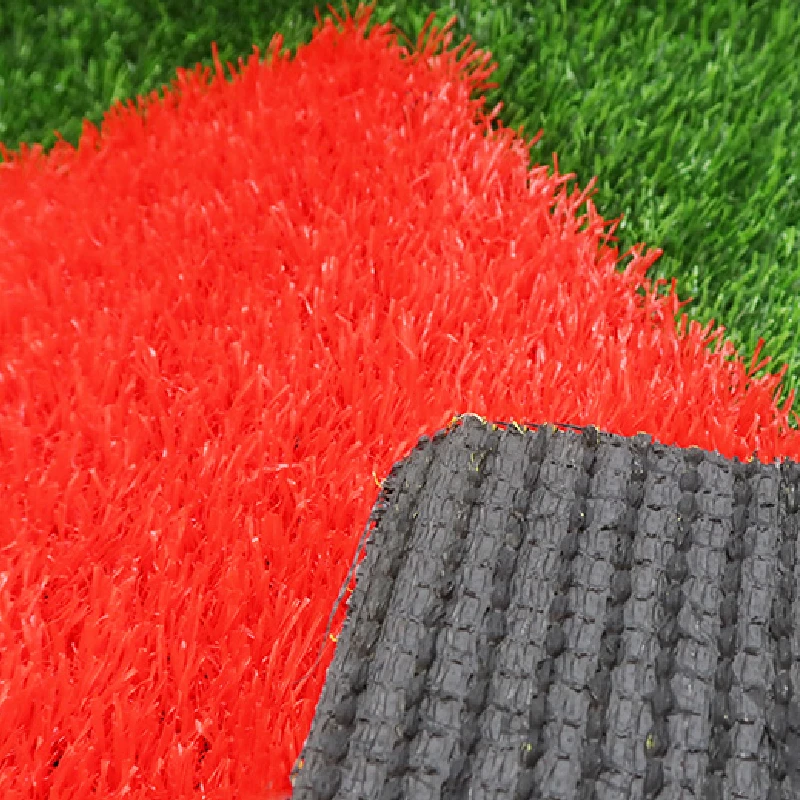
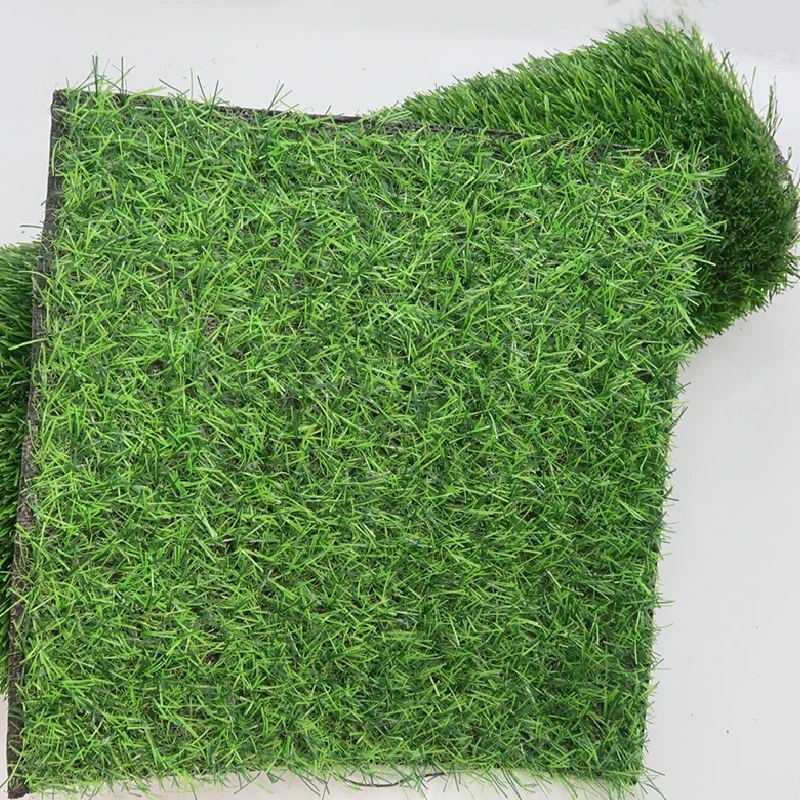
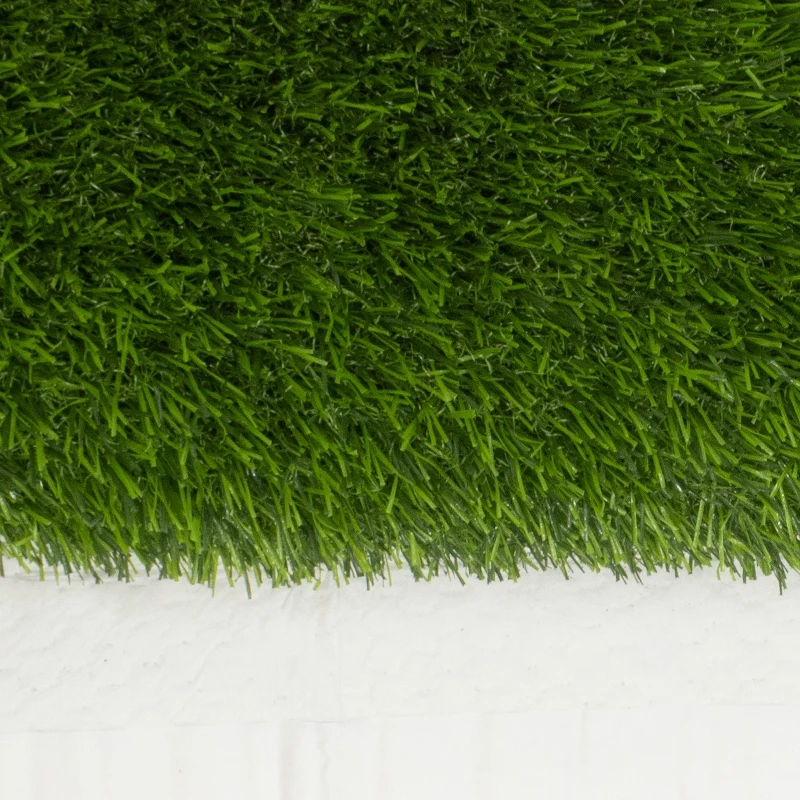
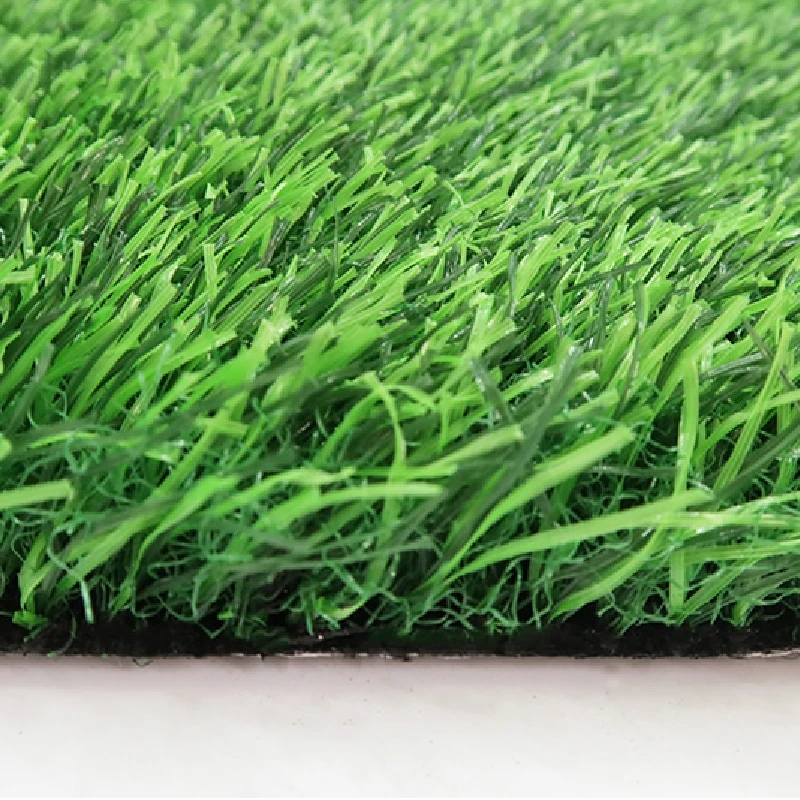
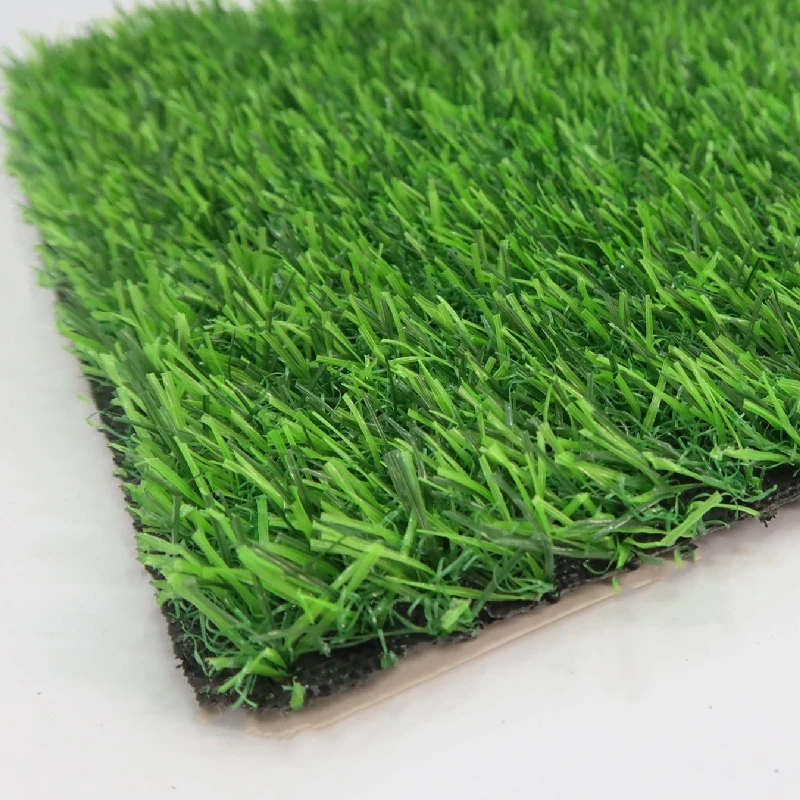
In its essence, 3m wide artificial grass means synthetic turf sheets that are generally 3 meters (about 10 feet) wide—from edge to edge. These rolls come in varying lengths depending on the buyer’s needs and consist of plastic fibers designed to look and feel like natural grass.
The width offers a practical balance between ease of handling and surface coverage. For installers and end-users, it means fewer seams on mid-sized lawns, less cutting, and usually faster installation than narrower alternatives.
Modern 3m wide artificial grass rolls often incorporate UV protection, drainage backing, and wear-resistant fibers, making them increasingly sophisticated. The product isn’t just playing in the sports arena anymore—it’s infiltrating landscape architecture, interior decoration, and even emergency site management.
Mini takeaway:
- 3m width is a practical size choice for many landscaping projects.
- Technological improvements add durability and realism.
- Its versatility supports diverse applications from homes to humanitarian aid.
Core Components that Make 3m Wide Artificial Grass Tick
Durability
The synthetic fibers must withstand UV exposure, foot traffic, and weather year-round. Good-grade artificial grass often features polyethylene fibers with UV stabilizers. You’ll find some products boasting 10+ years of usable life, perfect for public parks or high-usage sports fields.
Drainage
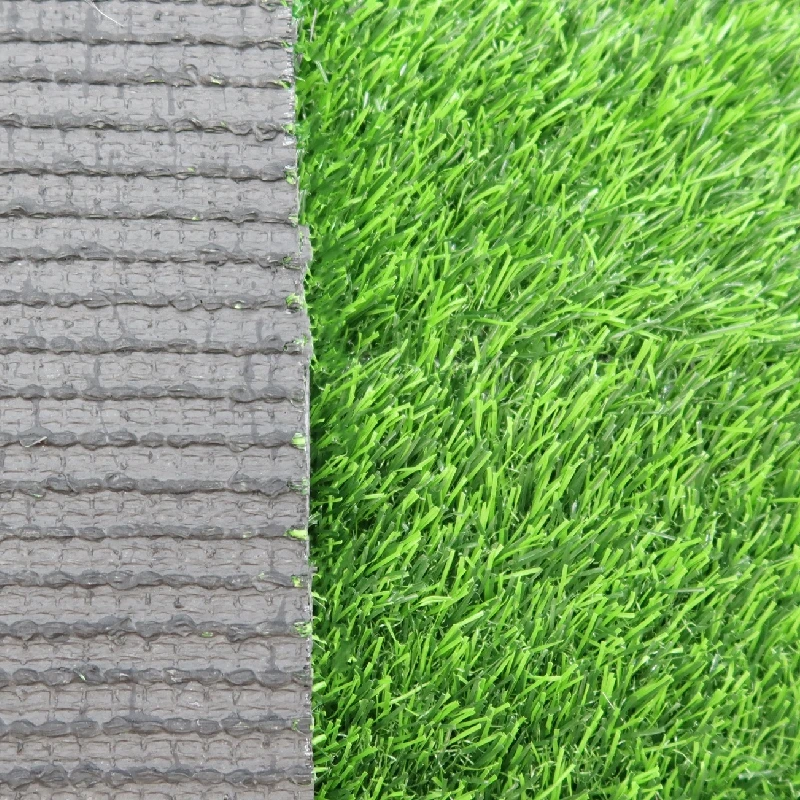
The backing usually has a perforated or porous design so water doesn’t pool on the surface. This simple design detail actively prevents mold and slipperiness, making it safer and more hygienic.
Realism & Feel
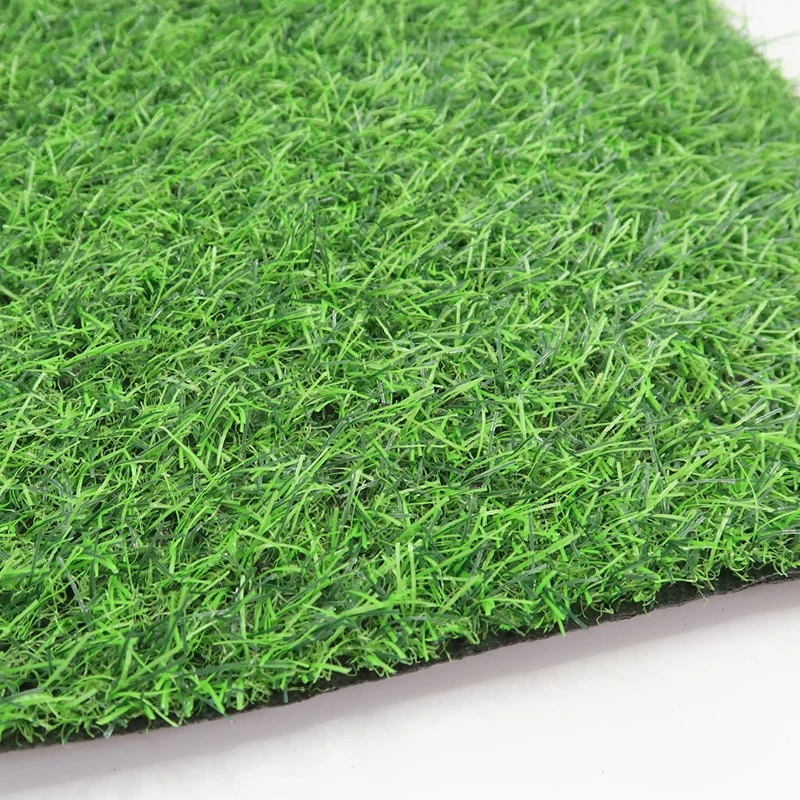
Many suppliers use multi-tone fibers and softer yarns to mimic natural blades better. Some even blend in thatch layers to replicate natural soil coverage.
Roll Width and Length
At 3 meters wide, the roll strikes a practical middle ground—narrow enough for manageable transport, but wide enough to cover more space with fewer seams.
Environmental Resistance
From frost in Scandinavia to scorching heat in the Middle East, artificial grass must perform consistently. That’s achieved through compound fiber mixes and heavy-duty backings that resist cracking and degradation.
Mini takeaway:
- Long-lasting materials reduce long-term costs.
- Good drainage is essential for safety and maintenance.
- Realistic texture makes the artificial nearly indistinguishable from nature.
Global Uses for 3m Wide Artificial Grass You Might Not Expect
Beyond lawns and playgrounds, many industries have seized on its advantages:
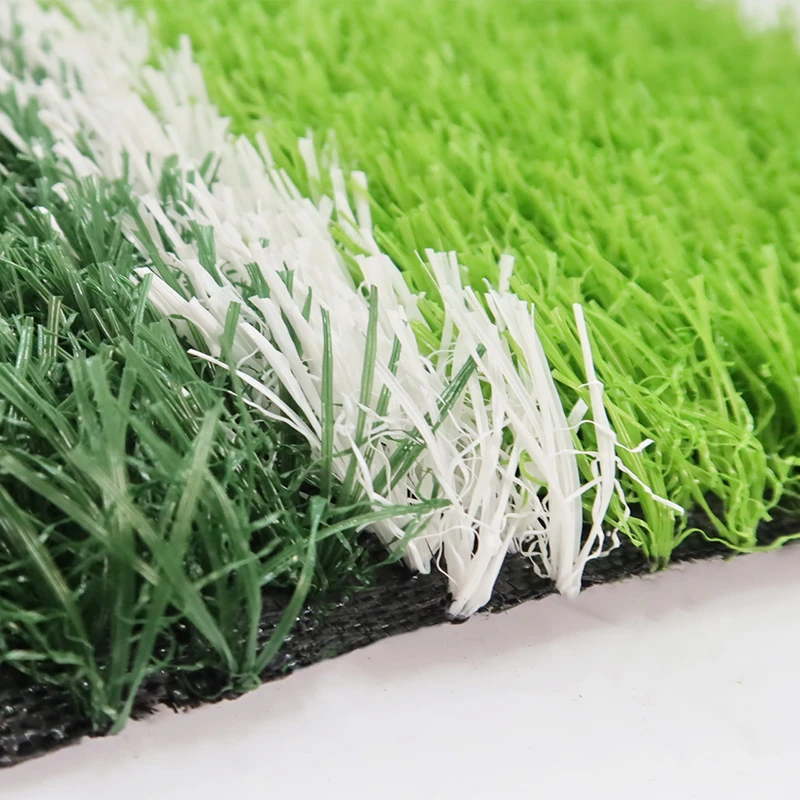
- Sports Facilities: Football pitches, tennis courts, even indoor arenas benefit from uniform, durable turf.
- Urban Landscaping: Rooftops, balconies, and urban parks in drought-stricken cities install artificial grass for lush aesthetics without water waste.
- Event Spaces: Temporary fairs or exhibitions use fast-lay synthetic turf to create instant green areas.
- Industrial Zones: In dusty or arid regions, artificial turf controls soil erosion and improves worker environments.
- Humanitarian & Disaster Relief: Post-disaster camps often deploy artificial grass to reduce mud, improve hygiene, and restore dignity.
One example is a large NGO operating in East Africa: for refugee camps, the 3m wide format allowed quick rollouts of playground areas and communal spaces that resisted wear and required little maintenance.
Mini takeaway:
- Artificial grass meets needs from luxury to lifesaving in diverse climates.
- Its modular sizing helps logistics in hard-to-reach locations.
Why Choose 3m Wide Artificial Grass? Benefits That Add Up Over Time
Here are some tangible, and maybe less obvious, advantages:
- Water Conservation: Cut watering bills by up to 70–90% compared to natural turf.
- Lower Maintenance: No mowing, fertilizing, or reseeding required.
- Consistent Aesthetics: Green and plush no matter the season.
- Safety & Social Impact: Non-toxic materials and soft fibers reduce injury risk, fostering community use.
- Sustainability: Modern products often incorporate recyclable components and environmentally friendly production.
- Cost Efficiency: Though initial costs can be higher, long-term savings often outweigh natural turf costs.
Mini takeaway:
Long-term, a quality 3m wide artificial grass investment balances economics with ethical and environmental considerations — which, frankly, is a huge win.
Spotlight: Product Specification Table for a Popular 3m Wide Artificial Grass Roll
| Feature | Specification |
|---|---|
| Roll Width | 3 meters (approx. 9.84 feet) |
| Pile Height | 30 mm (1.18 inches) |
| Material | UV-stabilized polyethylene fibers with latex backing |
| UV Protection | Yes, up to 5,000 hours sunlight exposure |
| Drainage Rate | >30 liters per minute per square meter |
| Lifespan | 8–10 years under moderate use |
Vendor Comparison: Leading Suppliers of 3m Wide Artificial Grass
| Vendor | Price per sqm | Warranty | Lead Time | Custom Sizes |
|---|---|---|---|---|
| GreenTurf Co. | $15.50 | 10 years | 2 weeks | No |
| EcoLawn Supplies | $17.00 | 8 years | 1 week | Yes |
| FiberGrass Ltd. | $16.20 | 9 years | 3 weeks | Yes |
Looking Ahead: Innovations and Trends in Artificial Turf
The future of 3m wide artificial grass is leaning heavily towards sustainability and smart technology. Companies are developing grass yarns from recycled plastics and biodegradables. The integration of digital tools like soil moisture sensors and embedded heating fibers is also an emerging trend, especially for cold climates where snow removal is a costly chore.
Automation in installation is slowly picking up too — robotic cutters and rollers can optimize material use and reduce manual labor.
Policy-wise, some cities are starting to regulate synthetic turf installation to balance ecological impacts and microplastic runoff, encouraging greener production methods.
Challenges & Smart Solutions
Of course, no product is a silver bullet. Concerns over microplastic pollution, recyclability of fibers, and heat retention on sunny days remain critical challenges. Sound experts suggest better backing materials and enhanced recycling infrastructure as ways forward.
To overcome these, some suppliers now offer take-back programs and are experimenting with non-plastic bio-fibers. Proper installation with reflective infills can reduce the “heat island” effect common to artificial turf.
FAQs About 3m Wide Artificial Grass
Q1: How easy is it to install 3m wide artificial grass compared to narrower rolls?
A1: Installation with 3m wide rolls generally speeds up the process since fewer seams are needed, reducing both labor time and visible joint lines. However, wider rolls can be heavier, so having at least two installers is recommended to handle the material safely.
Q2: Can 3m wide artificial grass be used in high-traffic public areas?
A2: Absolutely. Many products designed at this width come with wear-resistant fibers and strong backings tested for commercial durability. Just ensure you pick turf specifically rated for heavy foot traffic.
Q3: Is maintenance truly minimal for artificial grass?
A3: Compared to natural grass, maintenance needs are drastically lower—no mowing or watering. However, occasional brushing to keep fibers upright and rinsing to remove dust is advised, especially in dry or dusty climates.
Q4: How environmentally friendly is synthetic turf in the long run?
A4: While it eliminates water use and chemical fertilizers, the production and disposal of synthetic fibers remain a concern. Choosing recyclable or bio-based options and ensuring proper end-of-life handling helps mitigate these impacts.
Wrapping It Up: Why 3m Wide Artificial Grass Deserves Your Attention
In the grand scheme — from busy metro rooftops to remote relief camps — 3m wide artificial grass blends pragmatism and innovation to meet modern landscaping demands. Its mix of durability, ease of use, and environmental benefits makes it a smart pick for a range of users.
Curious to see what fits your project? Check out 3m wide artificial grass for a tailored solution that could just change how you approach greenery and space.
Reflective Takeaway:
Artificial grass isn’t just a lawn alternative; it’s a growing part of urban ecology, industrial design, and humanitarian infrastructure. The 3m width? It’s that sweet spot of convenience and versatility most people don’t realize they need until it’s in place.
References:
Latest news
-
Creating the Perfect Fake Grass Area for Dogs Complete Guide
NewsApr.16,2026
-
Guide to Using Fake Grass and Pets for a Pet Friendly Lawn
NewsApr.09,2026
-
Fake Grass and Dogs Creating a Pet Friendly and Durable Yard
NewsApr.07,2026
-
Maintaining a Pristine Lawn with Fake Grass and Dog Wee Management Solutions
NewsApr.04,2026
-
The Ultimate Guide to Choosing the Perfect Fake Dog Grass Patch for Your Pet
NewsMar.31,2026
-
Discover the Benefits of High Quality Fake Dog Grass for Potty Training
NewsMar.28,2026
Products categories