Welcome to Hoyarn
Call Us Any Time:+86 19801805999
Email Us: info@hoyarn.cn
Comprehensive Guide to Turf for Playground Surfacing: Safety, Sustainability & Innovation
Dec . 03, 2025 16:48 Back to list
Comprehensive Guide to Turf for Playground Surfacing: Safety, Sustainability & Innovation
Understanding Turf for Playground Surfacing: A Growing Global Necessity
Have you ever stopped to wonder what makes playgrounds safe, durable, and enjoyable for kids around the world? One often overlooked hero here is turf for playground surfacing. It’s not just green grass—or synthetic grass, rather—but a carefully engineered surface designed for safety, longevity, and accessibility on playgrounds everywhere. As urban spaces densify and communities globally invest more in children's outdoor activities, understanding this turf’s features and benefits has never been more critical.
In a nutshell, playground turf addresses safety concerns, environmental sustainability, and maintenance challenges while improving overall play experiences for children. For communities investing in parks or schools, grasping what’s underfoot truly matters.
Global Context: Why Turf for Playground Surfacing Matters Today
Playgrounds are essential for child development and community well-being. According to the UNICEF, access to safe outdoor play spaces contributes tremendously to children’s physical and emotional growth worldwide. However, natural grass often struggles under heavy foot traffic and weather conditions—leading to muddy, uneven, or unsafe grounds.
Statistics from the World Bank highlight rapid urbanization trends, with over 55% of the world population living in cities currently, expected to reach 68% by 2050. This urban sprawl reduces green space and increases the need for resilient, low-maintenance playground surfaces. Hence, more playgrounds are adopting engineered turf surfaces designed specifically for safety and durability.1 But challenges remain.
Traditional playground groundcovers sometimes fail to provide consistent impact attenuation (the ability to soften falls) or require intensive upkeep. Enter turf designed specifically for playground surfacing, which bridges these gaps while enabling inclusive play for children with all abilities.
What Exactly is Turf for Playground Surfacing?
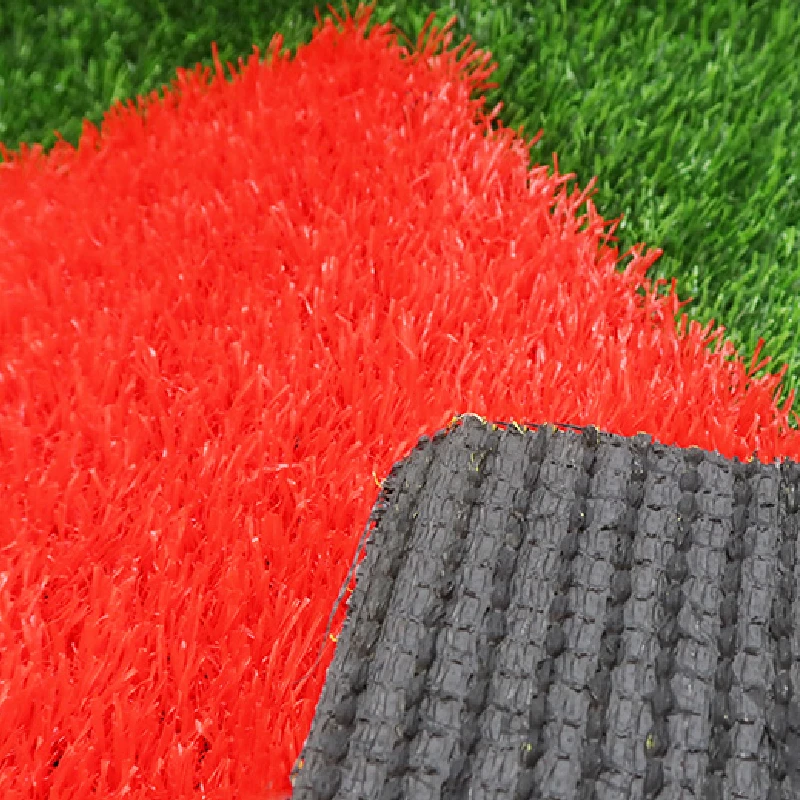
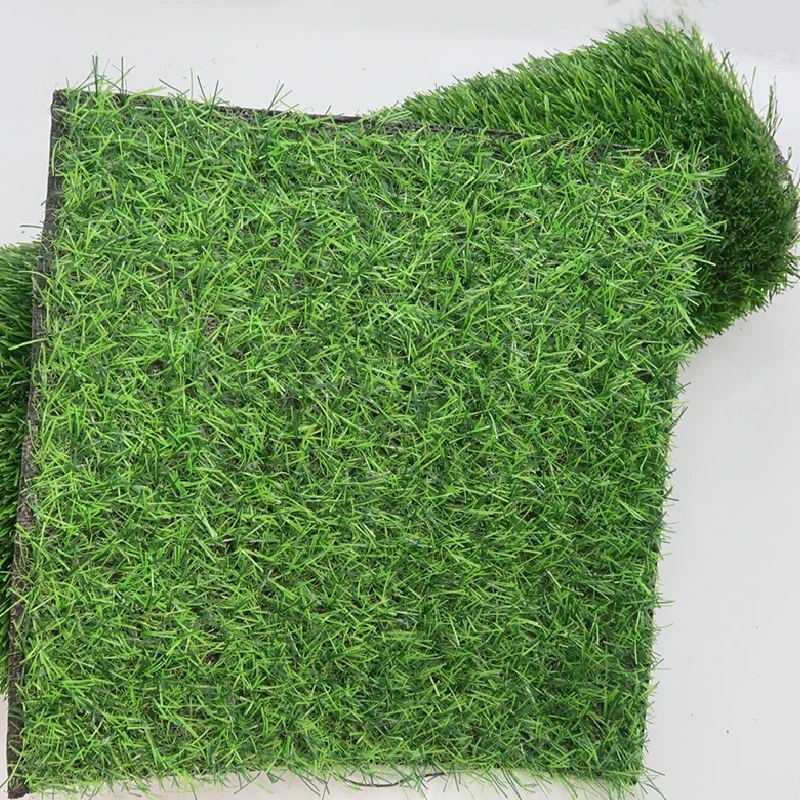
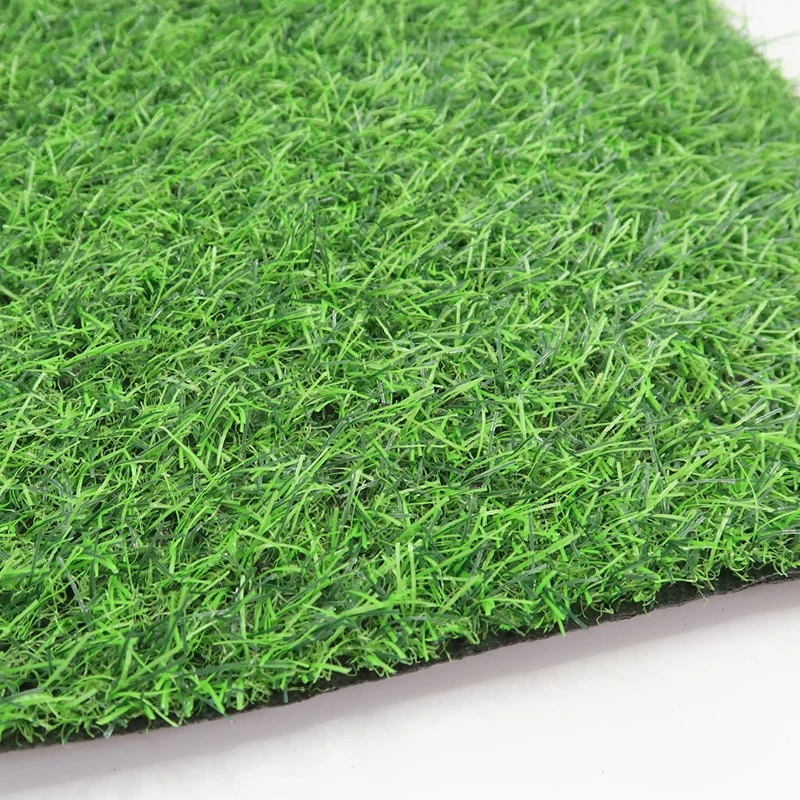
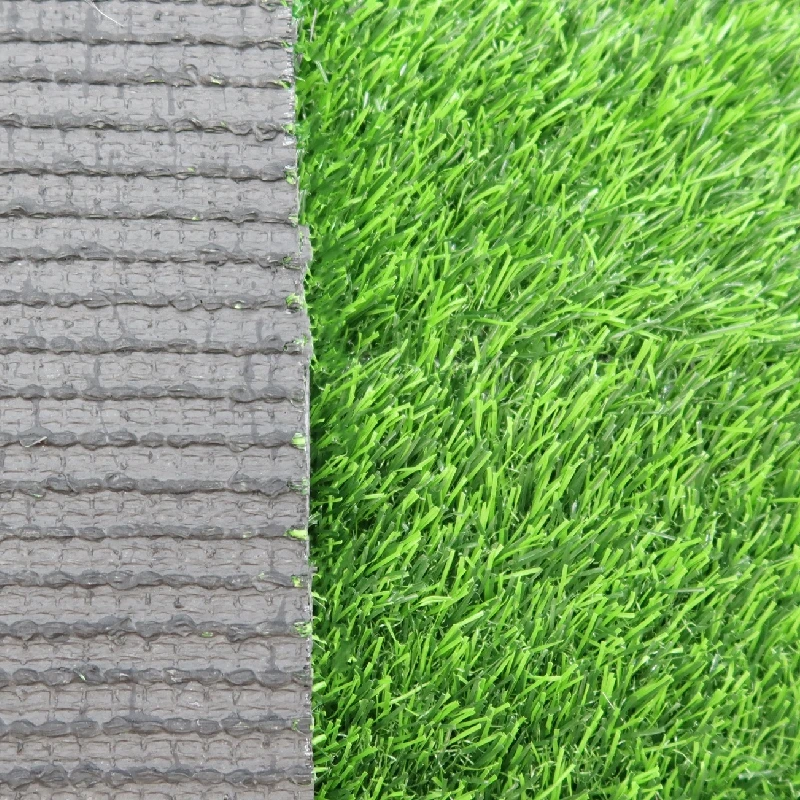
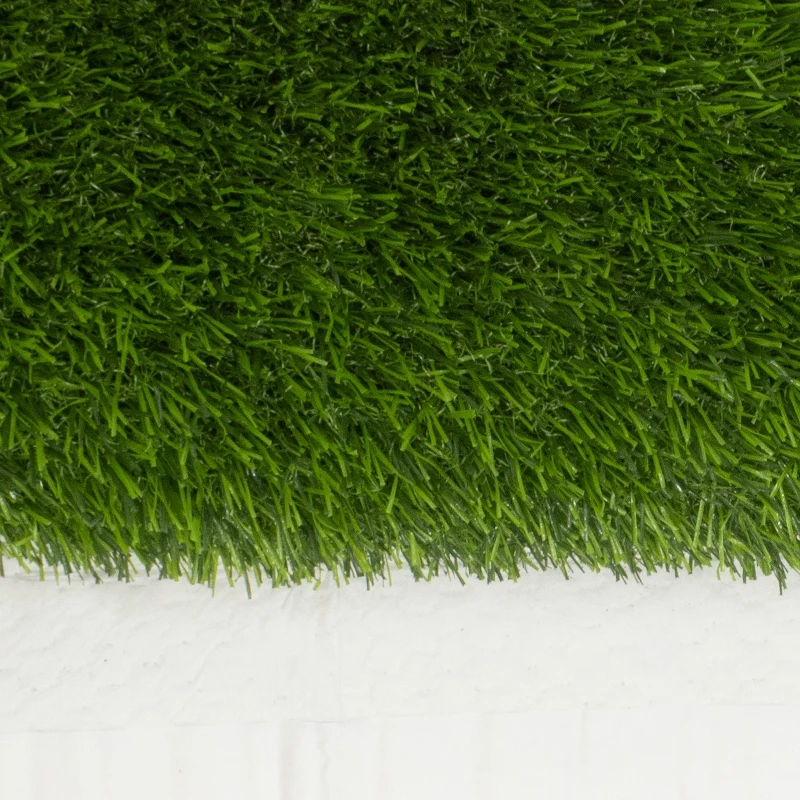
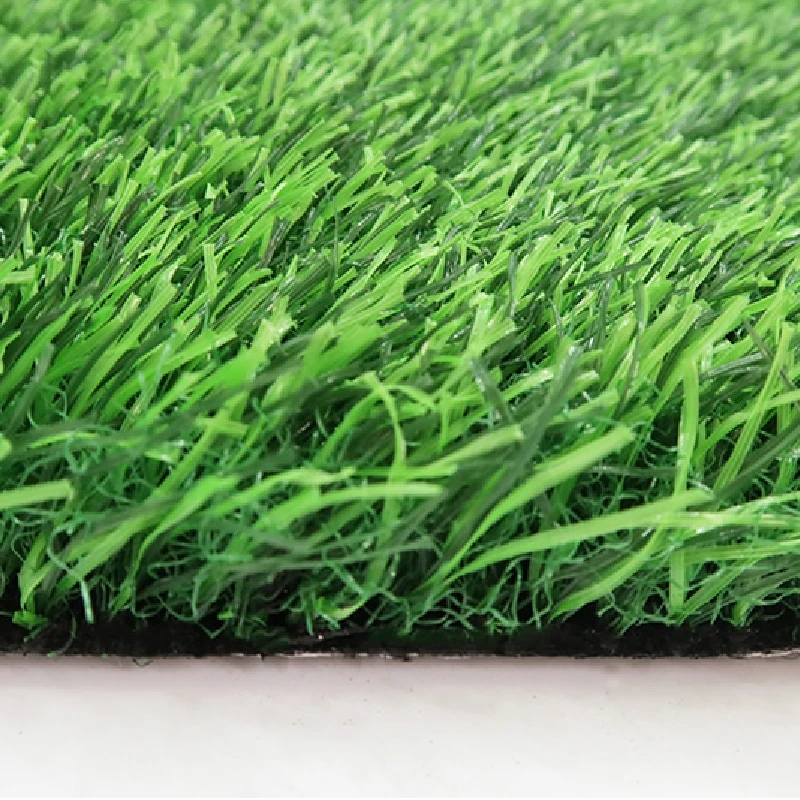
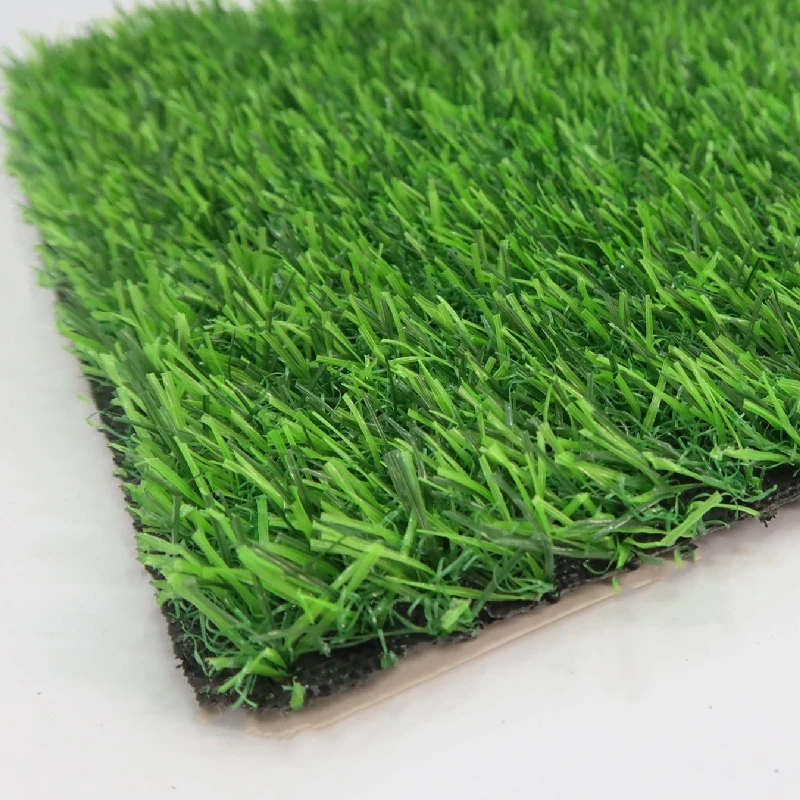
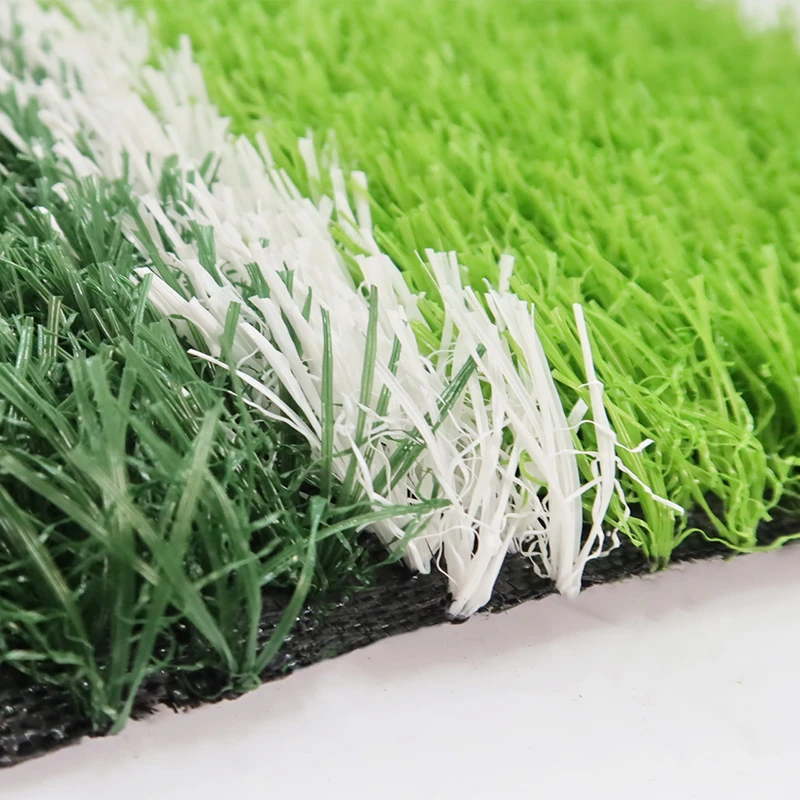
Simply put, turf for playground surfacing refers to synthetic or hybrid grass systems laid down as a surface layer on playgrounds. Unlike typical landscaping turf, this type incorporates shock-absorbing infills and is engineered to meet strict safety standards like ASTM F1292 (Standard Specification for Impact Attenuation of Surface Systems Under and Around Playground Equipment).
This turf ensures a fall height safety margin, handles weathering without rapid degradation, and can often be permeable, reducing puddles and muddy patches. It also connects to growing humanitarian needs, such as providing safe play spaces in areas affected by conflict or natural disaster, where natural grass is impractical or unavailable.
Core Components of Effective Playground Turf
1. Safety & Impact Absorption
Perhaps the most important factor. Playground turf must significantly reduce injury risk from falls, critical since falls are the leading cause of playground injuries. The turf's infill layer—made from rubber granules, cork, or organic material—absorbs shocks effectively.
2. Durability & Weather Resistance
Playgrounds see all kinds of weather. UV resistance, drainage capacity, and wear tolerance keep turf looking good and functional season after season, even with constant heavy foot traffic.
3. Accessibility & Inclusivity
Designs increasingly incorporate ADA compliance, making surfaces wheelchair-friendly without sacrificing softness or traction—giving all children equal play opportunities.
4. Cost Efficiency & Maintenance
Though upfront costs can be higher than soil or natural grass, the reduced need for watering, mowing, and repairs can save communities money in the long run.
5. Environmental Impact
Newer products integrate recycled materials and are recyclable themselves, aiming toward sustainability goals.
Product Specifications at a Glance
| Feature | Typical Range | Importance |
|---|---|---|
| Pile Height | 20-40 mm | Comfort & Appearance |
| Infill Material | Rubber, Sand, Organic | Impact Absorption |
| Drainage Rate | >30 inches/hr | Water Management |
| UV Resistance | 8+ years | Longevity |
| Safety Certification | ASTM F1292, EN1177 | Compliance |
Vendor Comparison: Leading Playground Turf Suppliers
| Supplier | Safety Certifications | Warranty | Eco Features | Price Range |
|---|---|---|---|---|
| GreenPlay Turf | ASTM F1292, EN1177 | 10 years | Recycled infill | $$$ |
| SafeGrass Solutions | ASTM F1292 | 8 years | Non-toxic coatings | $$ |
| PlayTurf Innovations | EN1177 Certified | 7 years | Organic infill options | $$$ |
Global Applications & Real-World Use Cases
It’s fascinating to see how turf for playground surfacing adapts to different global challenges. For instance, in the European Union, many schools have mandated the use of certified impact-absorbing turf to reduce playground injuries. In the US, school districts frequently choose synthetic turf that meets ADA standards, allowing playground accessibility for all children.
Oddly enough, in remote Arctic communities, synthetic playground turf helps extend the usability of outdoor spaces where natural grass cannot grow. Meanwhile, in post-disaster recovery zones like parts of Southeast Asia, temporary play areas with resilient turf provide safe spots for kids during rebuilding phases, helping support psychosocial health.
Industries like education, healthcare, and urban development increasingly recognize turf surfacing as a critical part of child-friendly infrastructure. Want to see how versatile the applications are? Check out this turf for playground surfacing guide from providers servicing diverse climates and use cases.
Advantages & Long-Term Value
- Sustainability: Reusable materials reduce landfill waste.
- Safety: Certified surfaces significantly decrease injury rates.
- Cost-effectiveness: Lower maintenance compared to natural grass.
- Community Well-being: Enhanced play encourages healthy childhood development.
For parents and educators, it feels reassuring to know that investment in these surfaces means more than durability — it’s about trust, safety, and inclusivity. That emotional value is harder to quantify but just as real.
Future Trends & Innovations in Playground Turf
Looking ahead, we see exciting innovations like bio-based infills made from algae, grasses incorporating antimicrobial properties, and even integration with IoT devices to monitor surface wear or wetness. Innovations in green energy have led manufacturers to use solar-powered production lines, reducing ecological footprints.
Regulatory bodies worldwide, including ISO and the Consumer Product Safety Commission (CPSC), continue refining playground surface standards, pushing vendors toward safer, more sustainable options. Automation in installation and digital platforms for remote maintenance consultations are also emerging trends.
Challenges & Solutions
Of course, no solution is perfect. Cost barriers remain a challenge for lower-income areas, and some turf products have faced criticism over microplastic release. Addressing these issues involves switching to biodegradable infills, creating circular recycling programs, and advocating for subsidies in community spaces.
Another hurdle is the “heat island” effect, where synthetic surfaces can get hot in direct sun. Some manufacturers now add reflective coatings or cooling layers to counter this, which is pretty clever.
FAQ: Frequently Asked Questions About Turf for Playground Surfacing
- What makes turf for playground surfacing safer than regular grass?
- Synthetic playground turf includes shock-absorbing infills and meets strict impact attenuation standards, reducing injury risk from falls much better than natural grass, which can become uneven or muddy.
- How long does synthetic playground turf typically last?
- With proper installation and maintenance, most high-quality playground turfs last between 8 to 12 years, maintaining safety and appearance throughout.
- Is playground turf environmentally friendly?
- Many modern turf products use recycled materials and recyclable components. While concerns about microplastics exist, newer options use organic infills and biodegradable fibers to mitigate impact.
- Can playground turf be used in all climates?
- Yes. Turf products are designed for various environments, with UV resistance, drainage capacity, and sometimes cooling features to adapt from tropical to arctic climates.
- How do I select the best supplier for playground turf?
- Look for vendors offering certified products (ASTM or EN standards), solid warranties, eco-friendly materials, and good customer support. Comparing specs and reviews helps make informed choices.
Wrapping It Up: Why Turf Really Makes a Difference
To sum it up, investing in turf for playground surfacing is investing in children's safety, well-being, and inclusive play. It addresses real-world challenges from urban density to climate variability, all while supporting sustainability goals and community trust. If you’re looking to enhance or create a playground that lasts—and serves everyone well—this turf just might be your best bet.
Curious to explore options or get technical support? Feel free to visit https://www.hoyarngrass.com for detailed information and expert advice.
Oddly enough, it’s one of those quiet infrastructure pieces that parents may rarely think about—but every time a child’s laughter fills the playground, it’s turf doing its quiet, important work beneath their feet.
Mini takeaway: Turf for playground surfacing blends safety, sustainability, and accessibility, helping communities build healthier play environments worldwide.
References:
1. UN Department of Economic and Social Affairs, World Urbanization Prospects.
2. ASTM International, ASTM F1292 - Playground Safety.
3. UNICEF, Role of Play in Child Development.
Latest news
-
Creating the Perfect Fake Grass Area for Dogs Complete Guide
NewsApr.16,2026
-
Guide to Using Fake Grass and Pets for a Pet Friendly Lawn
NewsApr.09,2026
-
Fake Grass and Dogs Creating a Pet Friendly and Durable Yard
NewsApr.07,2026
-
Maintaining a Pristine Lawn with Fake Grass and Dog Wee Management Solutions
NewsApr.04,2026
-
The Ultimate Guide to Choosing the Perfect Fake Dog Grass Patch for Your Pet
NewsMar.31,2026
-
Discover the Benefits of High Quality Fake Dog Grass for Potty Training
NewsMar.28,2026
Products categories