Welcome to Hoyarn
Call Us Any Time:+86 19801805999
Email Us: info@hoyarn.cn
Comprehensive Guide to Residential Artificial Turf Cost: Factors, Benefits, and Trends
Dec . 02, 2025 10:25 Back to list
Comprehensive Guide to Residential Artificial Turf Cost: Factors, Benefits, and Trends
Understanding Residential Artificial Turf Cost: What You Should Know
The cost of residential artificial turf might seem straightforward at first glance—but, frankly, when you dig into the details, it’s a bit of a layered story. From the price per square foot to installation intricacies, knowing the residential artificial turf cost is more than a budgeting exercise. It shapes landscaping decisions, impacts water conservation efforts, and even plays a role in property values worldwide. As urban areas grow and environmental awareness rises, understanding these costs helps homeowners and professionals alike make smarter, greener choices.
The Global Context: Why Residential Artificial Turf Cost Matters
On a global scale, landscaping consumes a huge chunk of water resources, particularly in dry and drought-prone areas. According to the United Nations' Food and Agriculture Organization, agricultural and landscaping irrigation accounts for about 70% of freshwater withdrawals worldwide. Amid rising concerns over sustainable water use, artificial turf emerges as a water-saving alternative that’s gaining traction across continents.
However, upfront costs can be a stumbling block. Residential artificial turf cost varies widely depending on materials, labor, and location, presenting a classic trade-off between higher initial investment and long-term savings. For industries and homeowners alike, tackling this cost challenge opens doors to a more sustainable landscape future.
What Is Residential Artificial Turf Cost?
In simple terms, residential artificial turf cost is the total expense associated with purchasing and installing synthetic grass for home landscapes or yards. It includes raw materials (like synthetic fibers), infill materials, labor charges, preparation work (like ground leveling), and sometimes maintenance post-installation.
Artificial turf differs from natural grass mainly in terms of upkeep — it doesn’t need watering, mowing, or pesticides. But that convenience comes at a price. Understanding these costs helps balance initial investments with long-term resource savings, making it more than just a financial number; it’s a strategic decision connected to green living and evolving industry standards.
Key Factors Influencing Residential Artificial Turf Cost
1. Material Quality and Type
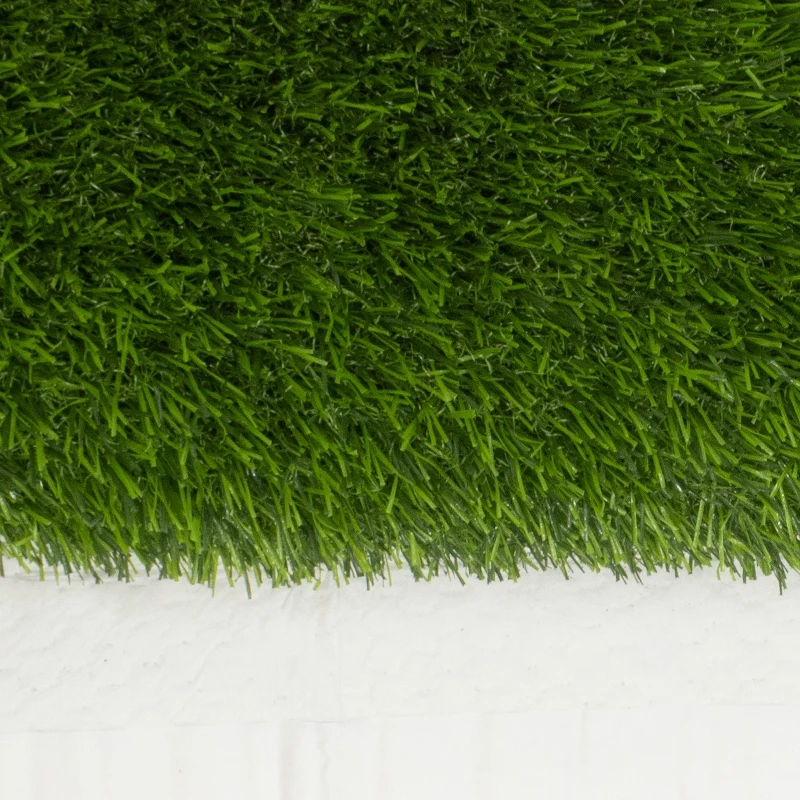
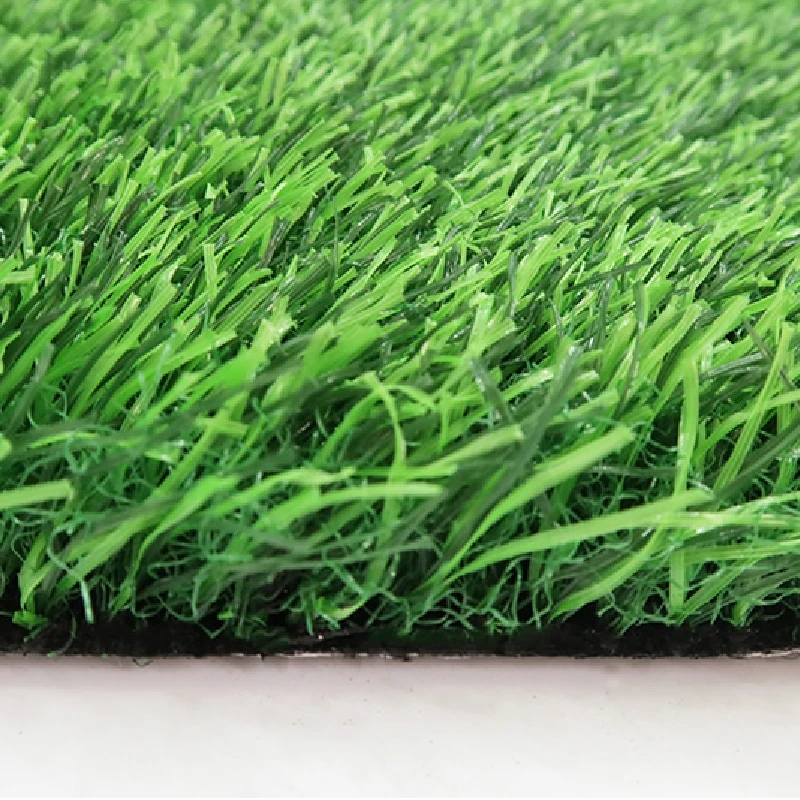
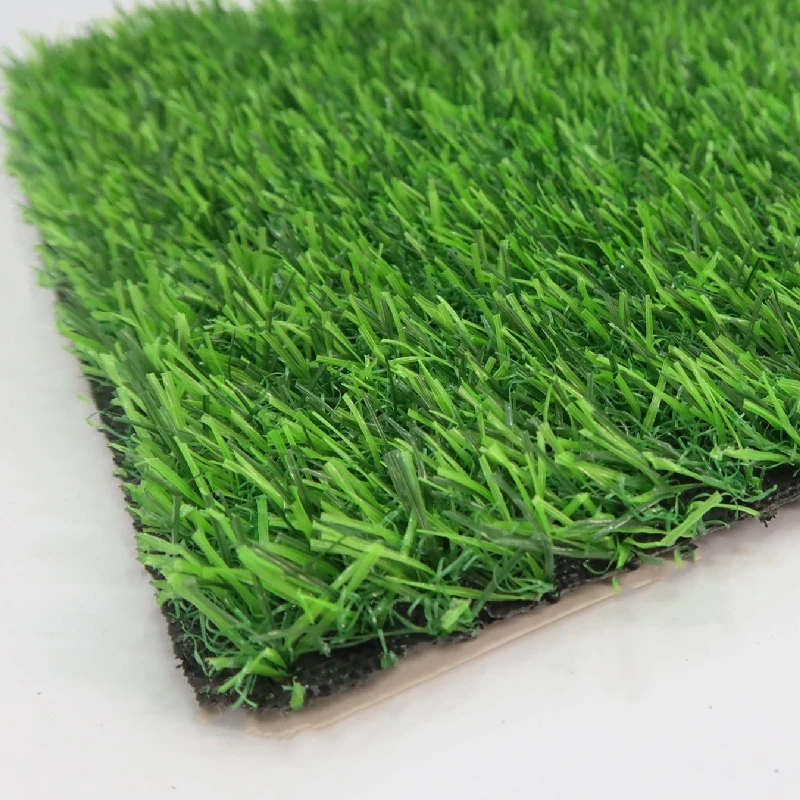
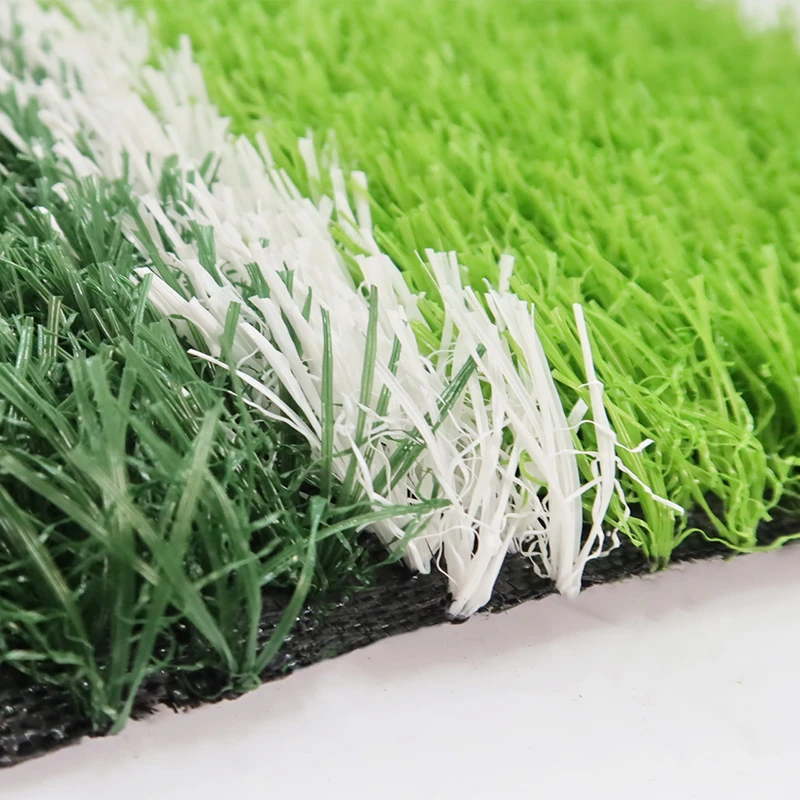
Not all artificial turf is created equal. Polyethylene fibers tend to be softer and more natural-looking but may cost more. Polypropylene options are cheaper but less durable. The blade shape and density also play a role — higher density means more material and, naturally, a higher cost.
2. Installation Complexity
Preparation is everything. If the land requires extensive grading or removal of old sod, the cost rises. Flat, accessible plots might cost less to install turf on than uneven or rocky terrains.
3. Infill Materials
Infill—like crumb rubber, sand, or organic options—adds weight, helps blades stand upright, and improves durability. Choosing sustainable infill might increase price but reduces environmental impact.
4. Maintenance Needs
Although artificial turf requires less maintenance than natural lawns, periodic brushing, rinsing, and refilling infill keeps it looking sharp. Maintenance expenses, though lower, still show up on the total cost radar.
5. Warranty and Lifespan
Longer warranties often correlate with higher upfront costs but provide peace of mind that the turf will last for years, offsetting replacement frequency.
Residential Artificial Turf Specification Comparison
| Specification | Standard Turf A | Premium Turf B |
|---|---|---|
| Material | Polyethylene | Polyethylene + UV Stabilizers |
| Pile Height | 30 mm | 40 mm |
| Density (stitches per sqm) | 10,000 | 15,000 |
| Infill Recommended | Silica Sand | Organic Cork Infills |
| Warranty | 8 years | 12 years |
Global Applications & Use Cases
Across the world, you’ll find artificial turf making headway in both residential and commercial settings. In arid regions like California or Australia, where droughts regularly strain water supplies, homeowners are switching to turf as a water-conscious alternative. It’s also popular in urban apartments with rooftop gardens where natural grass struggles to survive.
Oddly enough, post-disaster relief agencies have started exploring artificial turf for temporary housing landscapes, reducing mud and dust problems. Even industrial zones with rugged terrain use artificial turf to provide safe, clean walking surfaces for workers. These broad applications highlight the cost’s ripple effect—not just the sticker price but the savings and utility it delivers.
Vendor Comparison: Residential Artificial Turf Cost and Extras
| Vendor | Average Cost per sq. ft. | Installation Services | Warranty | Eco-friendly Options |
|---|---|---|---|---|
| Green Turf Co. | $5.50 | Full Installation | 10 years | Yes |
| Sunset Turf | $4.75 | DIY & Support | 8 years | Limited |
| EcoLawn Solutions | $6.10 | Installation + Maintenance | 12 years | Yes, 100% recycled |
Advantages and Long-Term Value
Artificial turf’s appeal lies in its long game—yes, the initial residential artificial turf cost might seem steep, but savings add up. No more watering bills, no mowing, and fewer chemicals. This translates to lower utility costs and less time spent on upkeep. There’s an emotional side too; a lush, green lawn year-round boosts curb appeal and homeowner pride.
Plus, from a sustainability standpoint, fewer pesticides and less water usage align with global goals like the UN’s Sustainable Development Goal 6 — Clean Water and Sanitation. Reliability and innovation converge in artificial turf, making it a compelling investment for conscious consumers.
Emerging Trends and Future Innovations
What’s next? The industry is innovating fast. New synthetic fibers mimic real grass textures more closely, reducing the “plastic lawn” feel. Advances in biodegradable infills tackle environmental concerns head-on. Automation in turf installation—including robotic layering and precision cutting—is set to reduce labor costs, impacting residential artificial turf cost.
Digital technologies allow better cost-estimating tools and lifecycle analysis, helping homeowners make more informed choices. Meanwhile, green energy-powered manufacturing facilities are cutting carbon footprints in the production chain.
Challenges and Their Innovative Solutions
Despite these advances, challenges remain. For example, heat retention on hot days can make synthetic turf uncomfortably warm—a drawback residents notice in sunny climates. Experts suggest new fiber blends and enhanced infills to mitigate this.
Recycling turf at end-of-life is another hurdle. However, some vendors now offer turf buyback programs to repurpose old materials, reducing landfill waste.
FAQ: Frequently Asked Questions About Residential Artificial Turf Cost
- What factors most affect residential artificial turf cost?
Material quality, installation complexity, and location-specific labor rates are the primary drivers of cost. Additionally, choosing eco-friendly infill can affect pricing. - How long does artificial turf last in residential settings?
Most high-quality turf products come with warranties ranging from 8 to 12 years, but actual lifespan can exceed 15 years with proper care. - Is artificial turf environmentally friendly?
While it reduces water use and pesticides, concerns about plastic use and disposal exist. New sustainable materials and recycling programs are addressing these. - Can I install artificial turf myself to save money?
DIY is possible but requires skill to prepare the base properly. Improper installation can lead to drainage issues or turf damage. - How soon will I recoup my artificial turf investment?
Typical payback periods fall between 3 to 7 years, depending mainly on water savings and lower maintenance costs.
Conclusion
So, when you’re considering residential artificial turf cost, it’s not just dollars and cents. It reflects a choice toward sustainability, durability, and a certain aesthetic consistency that many homeowners crave. With evolving materials, smarter installation techniques, and growing environmental awareness, artificial turf becomes less a luxury and more a wise investment in the long run.
If you want to explore affordable and high-quality options, be sure to check out residential artificial turf cost offers from trusted vendors. Often, a little upfront knowledge can make a world of difference in how much you spend — and save later.
Oddly enough, what feels like a simple lawn upgrade could become your smartest outdoor investment yet.
References
Latest news
-
Creating the Perfect Fake Grass Area for Dogs Complete Guide
NewsApr.16,2026
-
Guide to Using Fake Grass and Pets for a Pet Friendly Lawn
NewsApr.09,2026
-
Fake Grass and Dogs Creating a Pet Friendly and Durable Yard
NewsApr.07,2026
-
Maintaining a Pristine Lawn with Fake Grass and Dog Wee Management Solutions
NewsApr.04,2026
-
The Ultimate Guide to Choosing the Perfect Fake Dog Grass Patch for Your Pet
NewsMar.31,2026
-
Discover the Benefits of High Quality Fake Dog Grass for Potty Training
NewsMar.28,2026
Products categories