Welcome to Hoyarn
Call Us Any Time:+86 19801805999
Email Us: info@hoyarn.cn
Average Cost of Turf: A Global Perspective on Pricing, Benefits & Trends
Dec . 02, 2025 02:25 Back to list
Average Cost of Turf: A Global Perspective on Pricing, Benefits & Trends
Understanding the Average Cost of Turf: What You Really Need to Know
Whether you’re planning a new sports field, landscaping your business property, or managing an ecological restoration project, the average cost of turf is a key piece of information you simply can’t overlook. Turf is more than just grass—it’s a foundational surface that supports recreation, industry, and sustainability initiatives globally. And it turns out, understanding its cost is surprisingly important, beyond just budgeting. It shapes decisions around environmental impact, long-term maintenance, and community benefit.
Globally, the turf industry is a quiet giant. According to data from the UN Food and Agriculture Organization, turfgrass covers millions of hectares worldwide—used for everything from athletic fields in urban parks to erosion control in vulnerable landscapes. Interestingly, the project's average cost influences how accessible these benefits are, especially in developing cities where green space is a luxury.
Why Does the Average Cost of Turf Matter Globally?
Costs dictate who can implement turf solutions, how durable the material can be, and which techniques are feasible. According to recent World Bank urban development reports, many municipalities struggle to strike a balance between green infrastructure budgets and growing urban demands. Frankly, if the average cost of turf can be optimized without sacrificing quality, that opens doors to greener, more livable cities worldwide.
Defining the Average Cost of Turf
In simple terms, the average cost of turf refers to the typical price per unit area for purchasing and installing turfgrass. This includes:
- The cost of the grass or synthetic turf material
- Labor for preparation and installation
- Base materials like soil or infill
- Maintenance considerations over early life stages
For nonprofits aiming to provide playgrounds in low-income areas or industrial zones installing erosion control, this average cost directly influences project scope. It’s connected to humanitarian needs too—greener spaces foster community health, biodiversity, and climate resilience.
Core Components Influencing Turf Costs
1. Durability
The longevity of turf—whether natural or synthetic—affects total cost. High-durability turf may cost more upfront but saves money on frequent replacements. In high-traffic sports venues, durability is non-negotiable.
2. Installation Complexity
Some landscapes require extensive groundwork—grading, drainage, soil conditioning—all driving costs up. Simple, flat areas are cheaper and faster to prepare.
3. Material Type
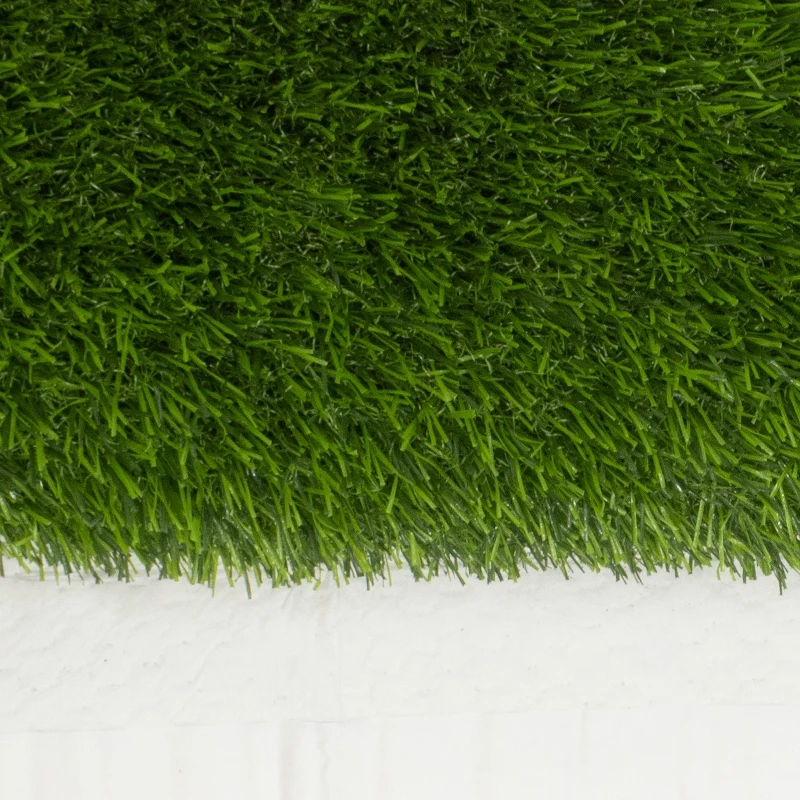
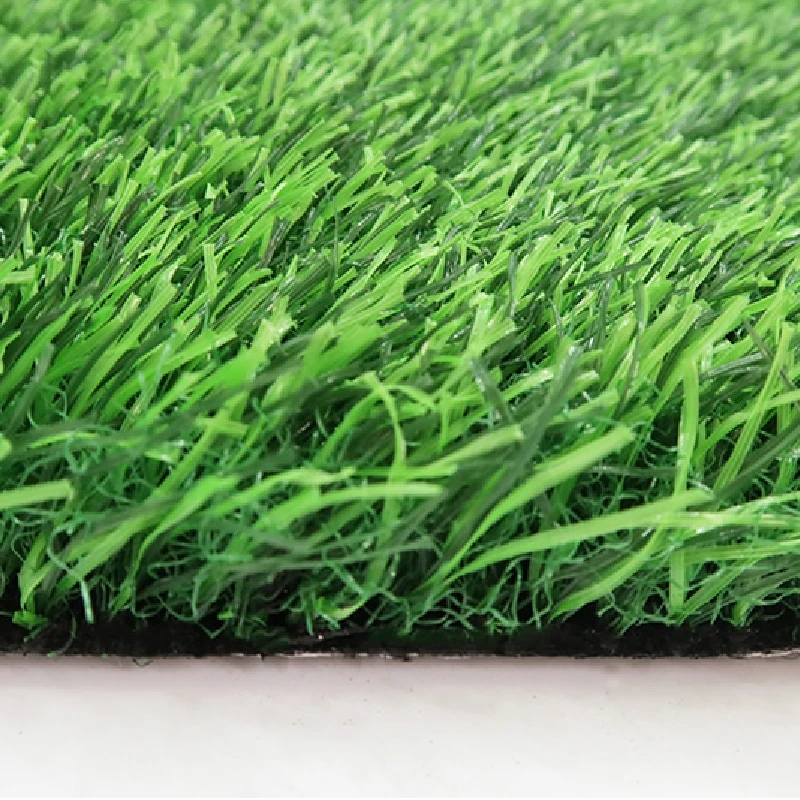
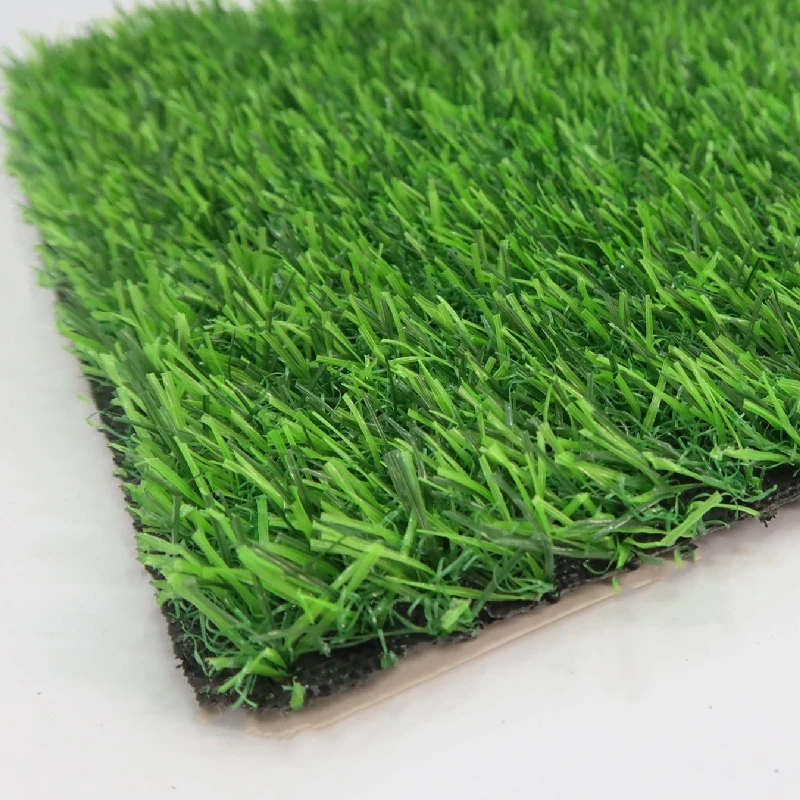
Natural versus artificial turf differ wildly in price. Synthetic turf incurs higher initial expense but lower water and fertilizer costs. Natural turf varies by grass species quality and seed versus sod planting methods.
4. Climate and Maintenance
Regions with harsh climates can increase costs due to irrigation, pest control, or seasonal replacement. Maintenance regimes also add ongoing expenses to consider.
5. Scalability and Supply Chain
Large projects benefit from bulk rates but face logistical challenges. Smaller, local turf suppliers may have higher unit prices but quicker delivery times.
Typical Turf Product Specifications
| Specification | Natural Turf | Synthetic Turf |
|---|---|---|
| Material Type | Various grass species | Polyethylene, polypropylene fibers |
| Typical Cost/sq. ft. | $0.50 - $1.50 | $5 - $20 |
| Installation Time | 4-7 days per 1000 sq ft | 1-3 days per 1000 sq ft |
| Maintenance | Regular watering, mowing | Occasional cleaning, infill topping |
| Expected Lifespan | 8-15 years (with care) | 10-15 years |
Global Applications & Use Cases
Where does turf make a difference? The applications span the continents:
- Urban green spaces: Cities from London to Mumbai rely on turf to reduce heat, improve air quality, and boost mental wellbeing.
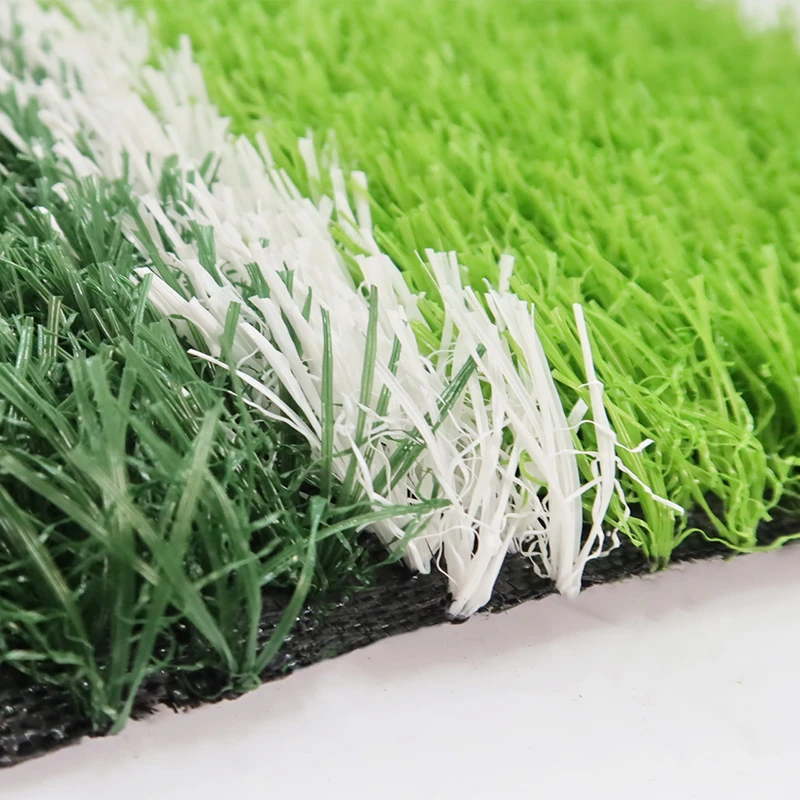
- Sports facilities: Professional stadiums worldwide choose synthetic turf to balance performance and maintenance, especially where water is scarce.
- Environmental restoration: In semi-arid regions, resilient turf offers erosion control and habitat for wildlife.
- Post-disaster landscaping: NGOs use quick-install turf systems to restore play areas and community parks after floods or earthquakes.
A classic case is in Queensland, Australia, where synthetic turf installations saved water during drought-prone seasons, lowering municipal irrigation costs significantly.
Vendor Comparisons: Who Offers What?
| Vendor | Average Price/sq.ft | Warranty | Key Features |
|---|---|---|---|
| GreenLawn Inc. | $6.50 | 10 years | UV resistant, low infill |
| EcoTurf Solutions | $5.00 | 8 years | Recycled materials, water-permeable base |
| NaturalGreen Supplies | $1.20 (natural sod) | 2 years | Locally grown, organic fertilizers |
Long-Term Value and Advantages
So, why pay attention to the average cost of turf? It's not just about dollars per square foot, but value for years to come. Turf creates safer play environments, boosts property values, and supports biodiversity. In real terms, investing slightly more in quality turf can mean fewer replacements and a better footprint.
There’s also a strong social impact. Communities with well-maintained turf spaces report higher satisfaction and engagement. It’s a place for kids, families, and athletes to connect—something that often gets overlooked when talking about cost alone.
Looking Ahead: Innovations in Turf
Future trends promise greener and smarter turf solutions. Innovations include:
- Eco-friendly synthetic fibers: Made from recycled plastics or biodegradable materials.
- Smart irrigation systems: Sensors to optimize watering and reduce waste.
- Hybrid turf: Combining natural grass with synthetic reinforcements for durability and feel.
- Automation: Drones and AI to monitor turf health and apply treatments precisely.
These advances could shift the average cost of turf by making installation and maintenance cheaper, or by offering premium products with longer lifespans.
Challenges and Expert Solutions
Of course, it’s not all smooth sailing. Common challenges include:
- High upfront costs, especially for synthetic turf.
- Environmental concerns around manufacturing and disposal.
- Unequal access in low-income or remote areas.
Experts suggest creative solutions like community co-ops for bulk purchasing, eco-certifications to guide buyers, and modular turf systems for easy repair and upgrade. In fact, some NGOs coordinate international bulk imports to reduce prices drastically.
FAQ: Your Turf Cost Questions Answered
Q1: What is the average cost of turf installation per square foot?
A: Typically, natural turf installation costs range from $0.50 to $1.50 per square foot, while synthetic turf ranges from $5 to $20 per square foot depending on quality and features. Local labor and site preparation may affect this.
Q2: Is synthetic turf more cost-effective long term than natural grass?
A: Generally, yes. Synthetic turf requires less water, fertilizer, and mowing, reducing long-term maintenance costs despite higher initial investment. However, lifespan and replacement costs should be considered.
Q3: Can the average cost of turf vary depending on climate?
A: Absolutely. Harsh climates may require more durable or specialized turf varieties which cost more upfront but save costs on upkeep and replacement.
Q4: How can NGOs manage turf projects internationally while controlling cost?
A: By coordinating bulk purchases with reliable suppliers, choosing modular turf solutions, and partnering with local organizations for installation, NGOs can minimize costs effectively.
Conclusion
Ultimately, the average cost of turf is not just a number but a gateway to greener, healthier, and more resilient environments worldwide. Knowing the factors that influence this cost empowers planners, conservationists, and communities to make smarter, sustainable decisions.
Curious about your specific project’s turf cost? Don’t hesitate—visit https://www.hoyarngrass.com for expert advice and tailored solutions that meet your needs and budget.
Quick takeaway: Smart turf investment starts with knowing your cost factors and long-term goals — it’s worth the thought.
References:
Prev:
Latest news
-
Creating the Perfect Fake Grass Area for Dogs Complete Guide
NewsApr.16,2026
-
Guide to Using Fake Grass and Pets for a Pet Friendly Lawn
NewsApr.09,2026
-
Fake Grass and Dogs Creating a Pet Friendly and Durable Yard
NewsApr.07,2026
-
Maintaining a Pristine Lawn with Fake Grass and Dog Wee Management Solutions
NewsApr.04,2026
-
The Ultimate Guide to Choosing the Perfect Fake Dog Grass Patch for Your Pet
NewsMar.31,2026
-
Discover the Benefits of High Quality Fake Dog Grass for Potty Training
NewsMar.28,2026
Products categories