Welcome to Hoyarn
Call Us Any Time:+86 19801805999
Email Us: info@hoyarn.cn
Artificial Grass Installation for Dogs | Durable & Pet-Friendly Turf
Jan . 02, 2026 06:40 Back to list
Artificial Grass Installation for Dogs | Durable & Pet-Friendly Turf
Artificial Grass Installation for Dogs: Why It’s Gaining Traction in the Industry
Having spent more than a decade in the industrial and landscaping equipment sector, I’ve seen my fair share of trends come and go. But one development that’s been quietly turning heads lately is the rise of artificial grass installation for dogs. Oddly enough, what started as a niche offering for dog owners has grown into a bona fide industry staple, especially in commercial and residential settings where durability and hygiene are paramount. Frankly, it makes a lot of sense when you dive into the details.
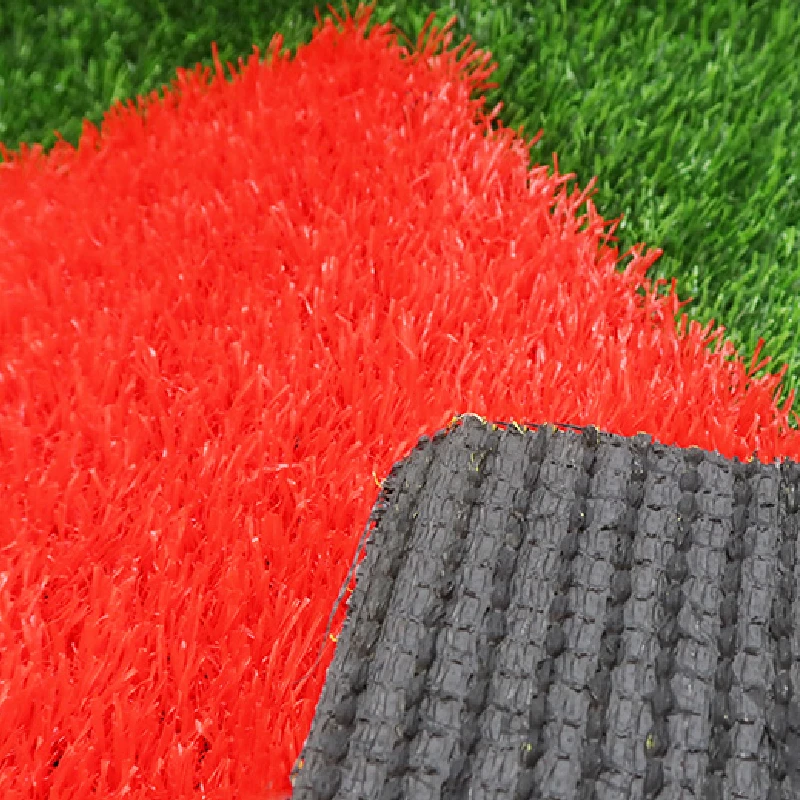
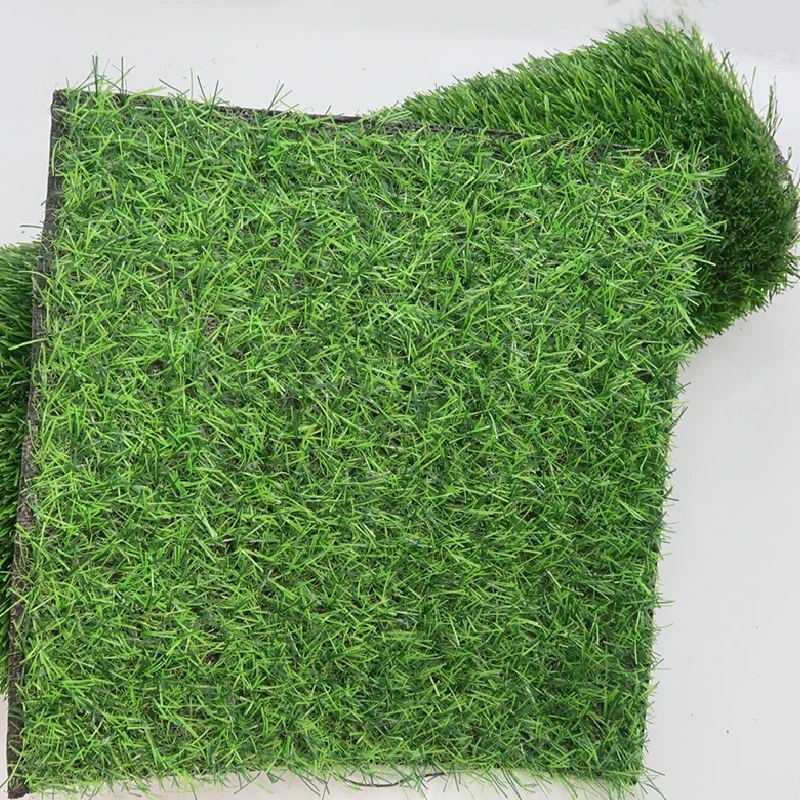
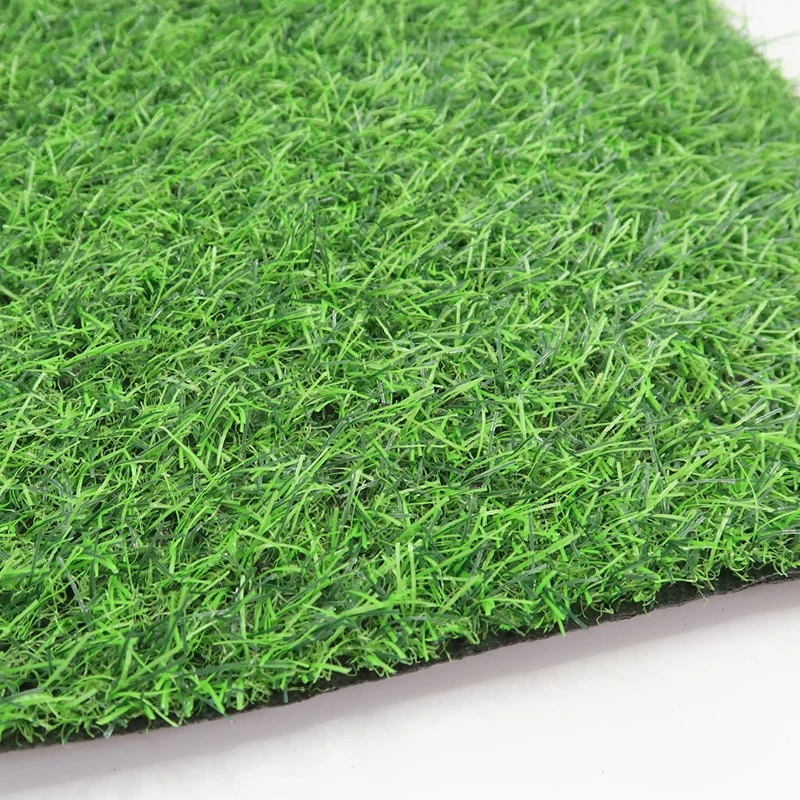
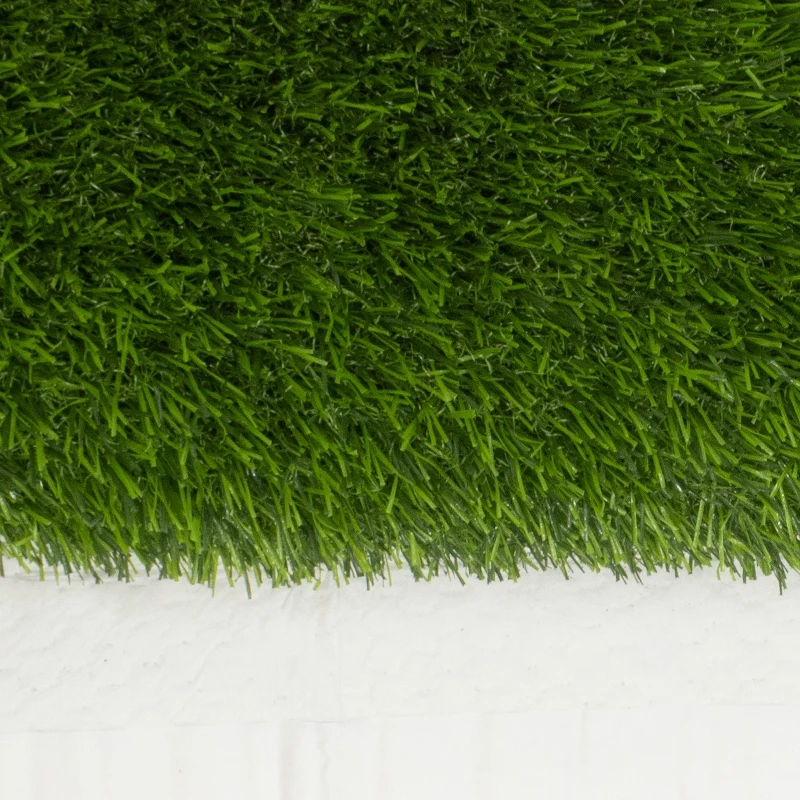
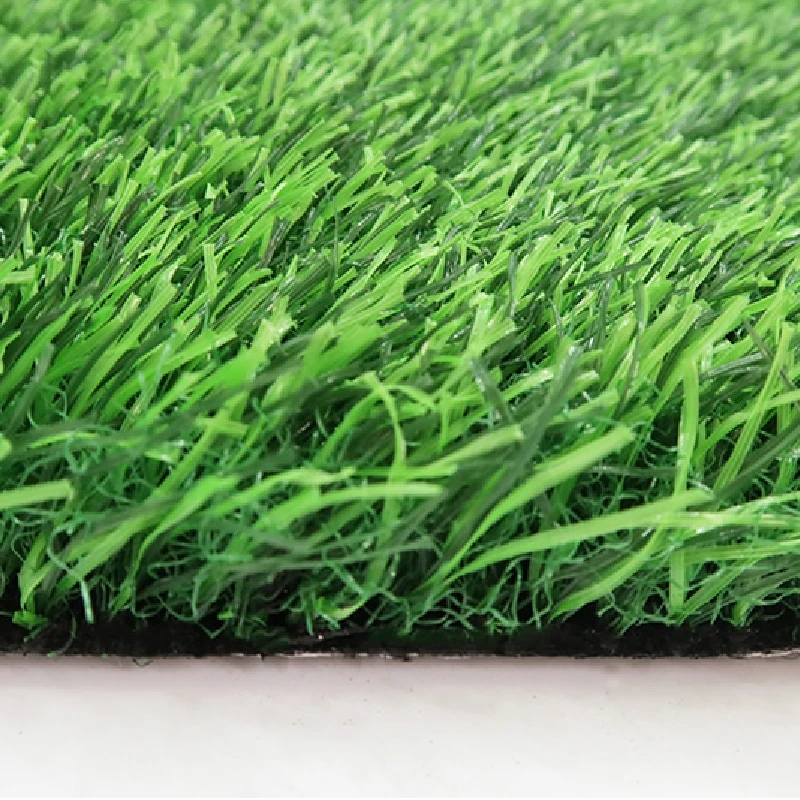
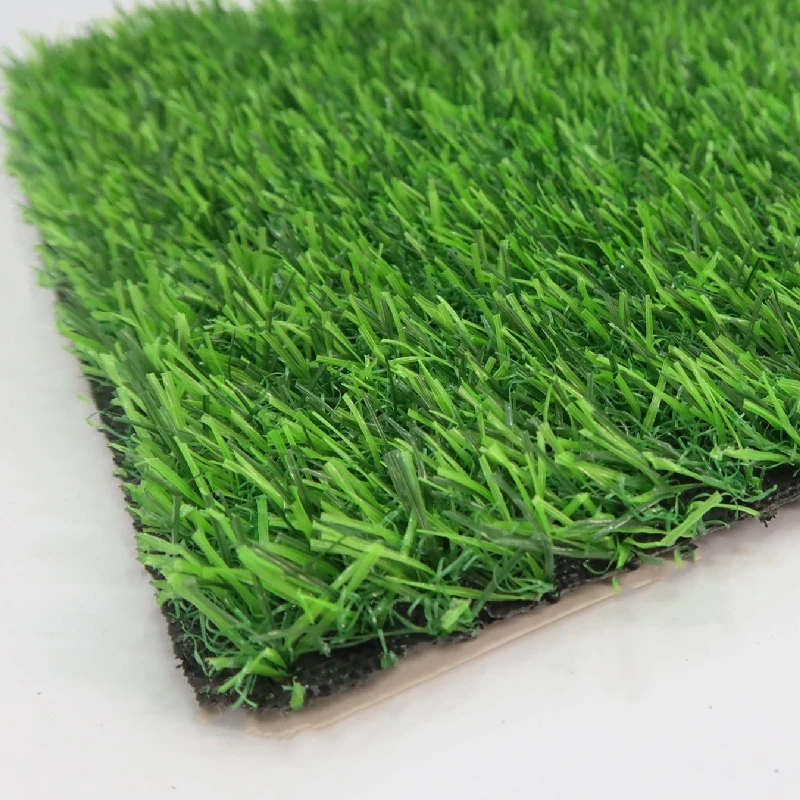
Artificial turf for pets taps into the demand for a clean, low-maintenance, and safe surface that can withstand the rigors of canine use. Unlike traditional lawns, which quickly turn into muddy messes or get patchy from repeated wear, modern synthetic turf products are engineered to take on those challenges head-on. Many engineers in my circles say the latest products have come a long way from the stiff, plastic-like versions of the past. Now you get realistic textures and materials designed specifically for dogs’ comfort and safety.
One thing I noticed in recent projects is that the installation process itself has become more streamlined. Industry experts often emphasize proper base preparation — compacted stone layers, good drainage, and secure edging — to ensure longevity. In real terms, this isn’t just about aesthetics. It prevents odor buildup and bacterial growth, which, if neglected, are the main reasons people shy away from synthetic grass for pets.
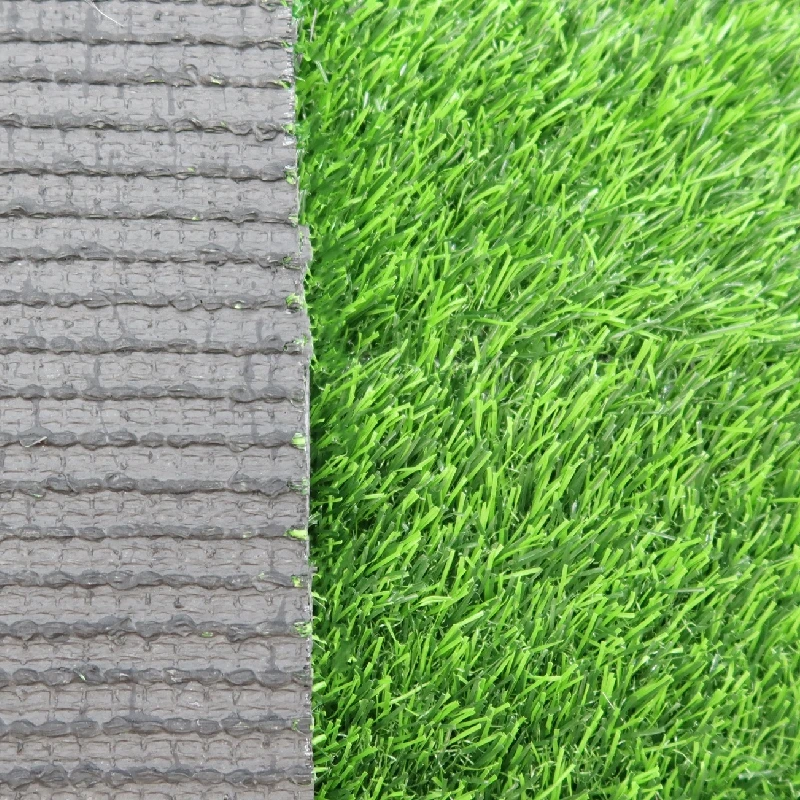
Materials used today also make a huge difference. High-density polyethylene fibers mimicking natural grass blades are common, combined with infill options that promote drainage and soften the feel under paws. UV resistance and antimicrobial treatments add critical durability and hygiene. So when you’re weighing options, don’t just focus on look and price; consider the fiber type, backing materials, and whether the turf is certified non-toxic—because dogs are, after all, in close contact with it daily.
| Specification | Typical Value | Notes |
|---|---|---|
| Fiber Material | High-Density Polyethylene (HDPE) | Soft, UV resistant, safe for pets |
| Pile Height | 30-40 mm | Optimized for paw comfort |
| Backing | Perforated latex & polypropylene | Excellent drainage |
| Infill | Silica sand + deodorizing granules | Controls odor and stabilizes turf |
| Warranty | 8-10 years | Depends on use and maintenance |
Now, not all vendors are created equal — I learned this the hard way while specifying products for a veterinary center a few years back. We tested three different suppliers before settling on one that struck the right balance between durability, feel, and cost. Here’s a quick comparison summary I put together, which I think helps paint the picture:
| Vendor | Material Quality | Installation Support | Pet-Specific Features | Price Range |
|---|---|---|---|---|
| HoyarnGrass | Excellent, HDPE fibers with antimicrobial backing | Comprehensive guides & professional training | Odor control and drainage optimized | Mid-range, great value |
| GreenPaws Turf | Good, mostly polyethylene with latex backing | Basic instructions, limited on-site support | Standard drainage, no specialized infill | Lower price, less durable |
| PupGrass Solutions | Premium nylon fibers, very soft feel | Full installation services offered | Excellent drainage, odor-absorbing infill | Higher price point |
One small story that stuck with me: a local dog daycare owner switched to artificial turf after battling muddy yards every rainy season for years. The change wasn’t just about cleanliness — the dogs adapted remarkably quickly. Even the more finicky pups took to lounging on the turf, which felt softer and cleaner to them, oddly enough. The facility's maintenance costs and customer complaints both dropped noticeably. Moments like that underline why I find this topic so interesting and rewarding.
In closing, if you’re thinking about artificial grass installation for dogs, there’s a lot to weigh—from fiber materials and drainage to vendor reputation and installation expertise. It’s not just a “set it and forget it” product; choosing the right solution means better pet health, happier owners, and peace of mind in the long run.
So, while the idea of synthetic turf might sound a bit “industrial” at first glance, it kind of grows on you once you see the practical benefits unfold. And frankly, as someone who’s spent years mixing coatings, fibers, and installation techniques, I can say it feels like one of those rare solutions where engineering really meets real-world needs.
References:
1. Industry surveys on pet turf durability, 2022
2. HoyarnGrass product manuals and installation guides
3. Veterinary facility landscaping case studies, 2023
Prev:
Latest news
-
Creating the Perfect Fake Grass Area for Dogs Complete Guide
NewsApr.16,2026
-
Guide to Using Fake Grass and Pets for a Pet Friendly Lawn
NewsApr.09,2026
-
Fake Grass and Dogs Creating a Pet Friendly and Durable Yard
NewsApr.07,2026
-
Maintaining a Pristine Lawn with Fake Grass and Dog Wee Management Solutions
NewsApr.04,2026
-
The Ultimate Guide to Choosing the Perfect Fake Dog Grass Patch for Your Pet
NewsMar.31,2026
-
Discover the Benefits of High Quality Fake Dog Grass for Potty Training
NewsMar.28,2026
Products categories