Welcome to Hoyarn
Call Us Any Time:+86 19801805999
Email Us: info@hoyarn.cn
Artificial Grass For Pet Areas – Durable, Hygienic Solutions for Modern Pet Facilities
Jan . 07, 2026 16:33 Back to list
Artificial Grass For Pet Areas – Durable, Hygienic Solutions for Modern Pet Facilities
Artificial Grass For Pet Areas is a key solution in the industry, specifically within spaces designed for pets where durability, hygiene, and practicality must really work hand in hand. This article explores how https://www.hoyarngrass.com supports professionals with durable, high-performance products, and explains why this product is an ideal choice for businesses in sectors like pet care facilities, kennels, and even veterinary clinics.
Table of Contents
- Artificial Grass For Pet Areas Overview
- Benefits & Use Cases of Artificial Grass For Pet Areas
- Cost, Maintenance & User Experience
- Sustainability & Market Trends
Artificial Grass For Pet Areas Overview
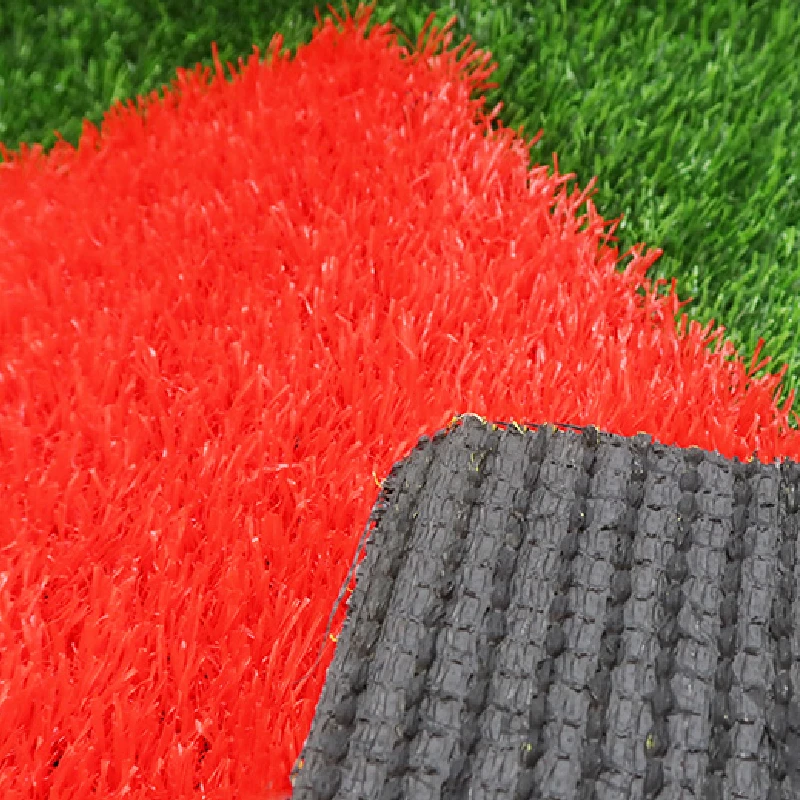
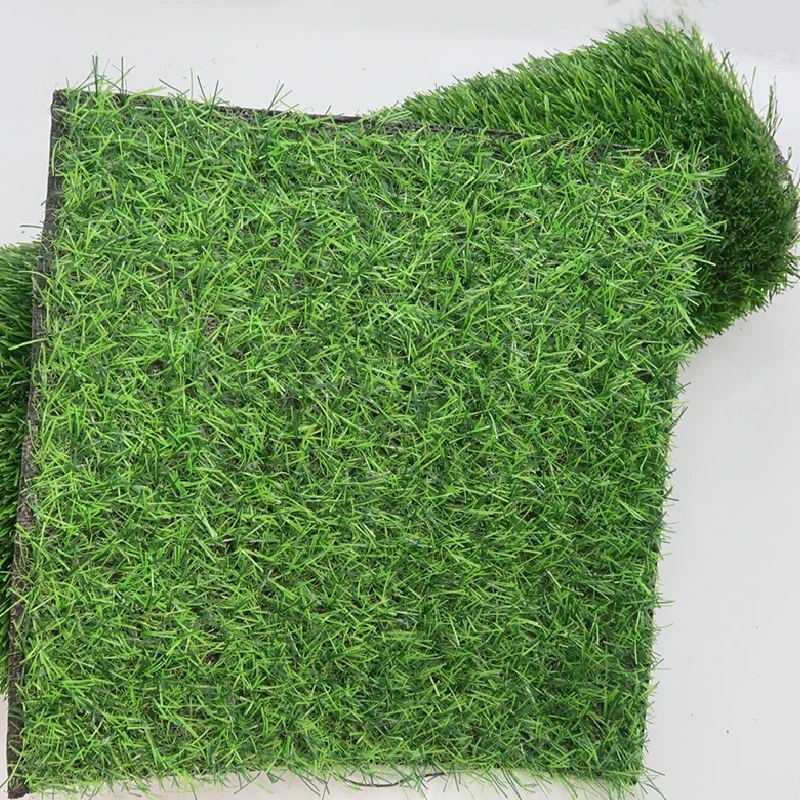
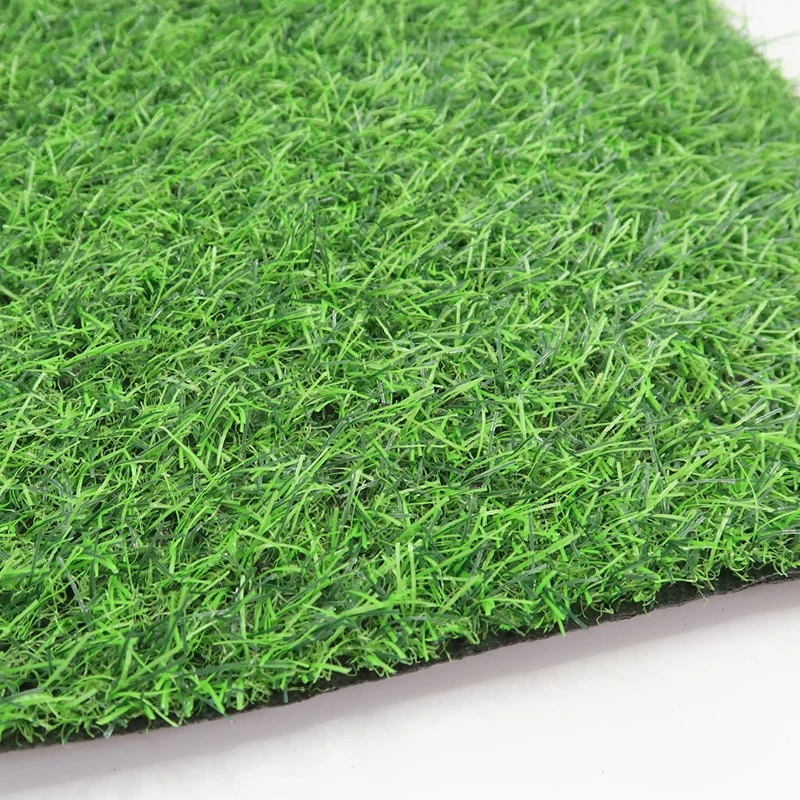
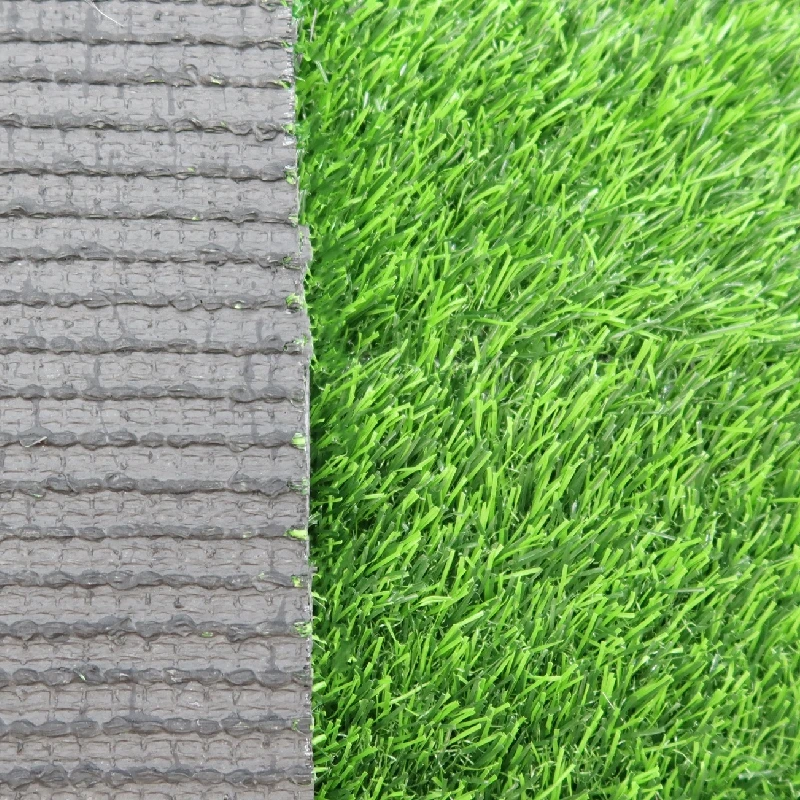
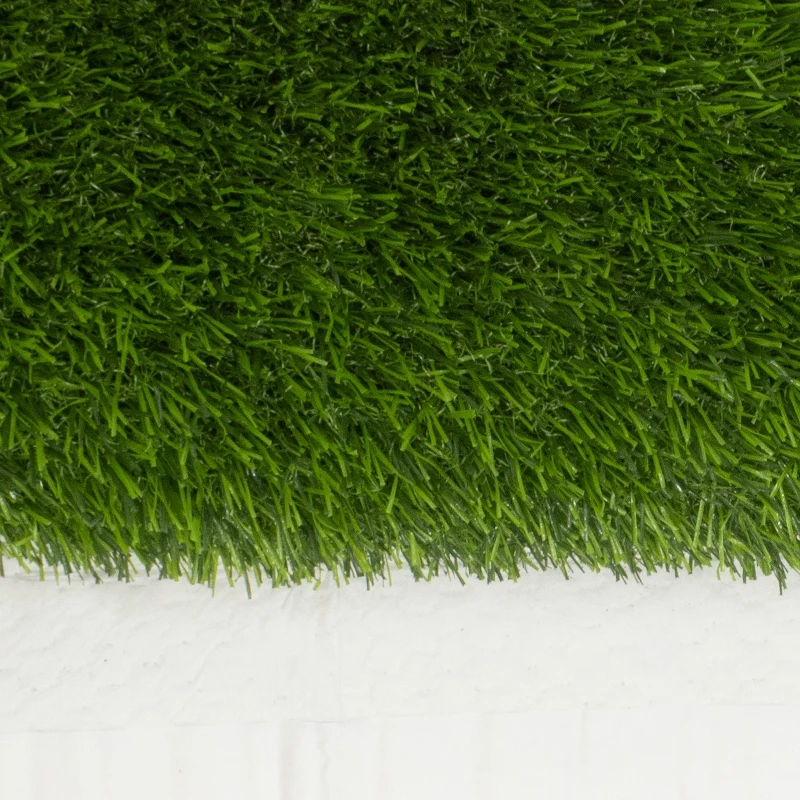
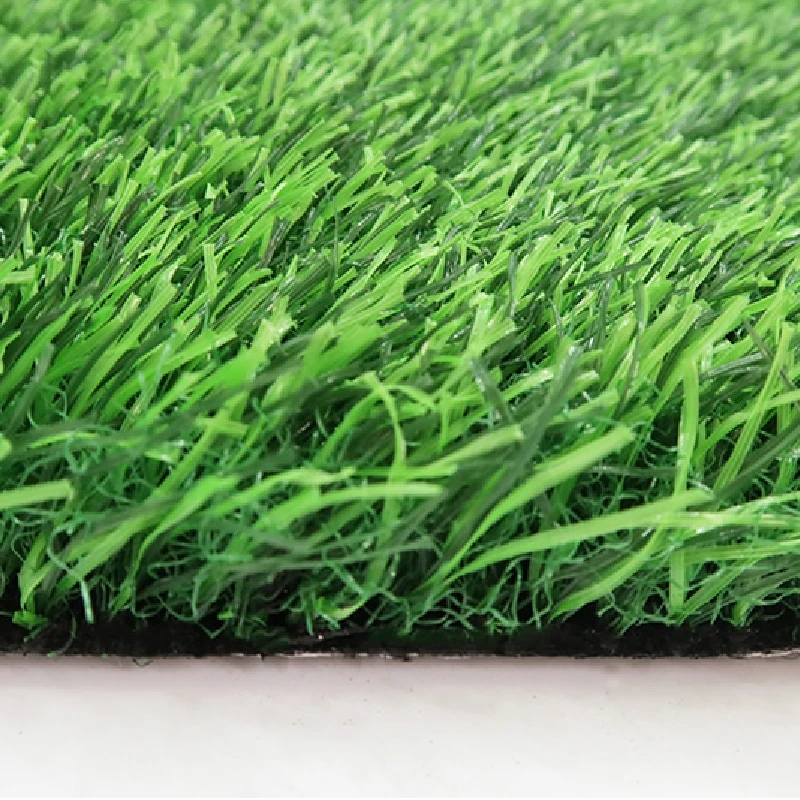
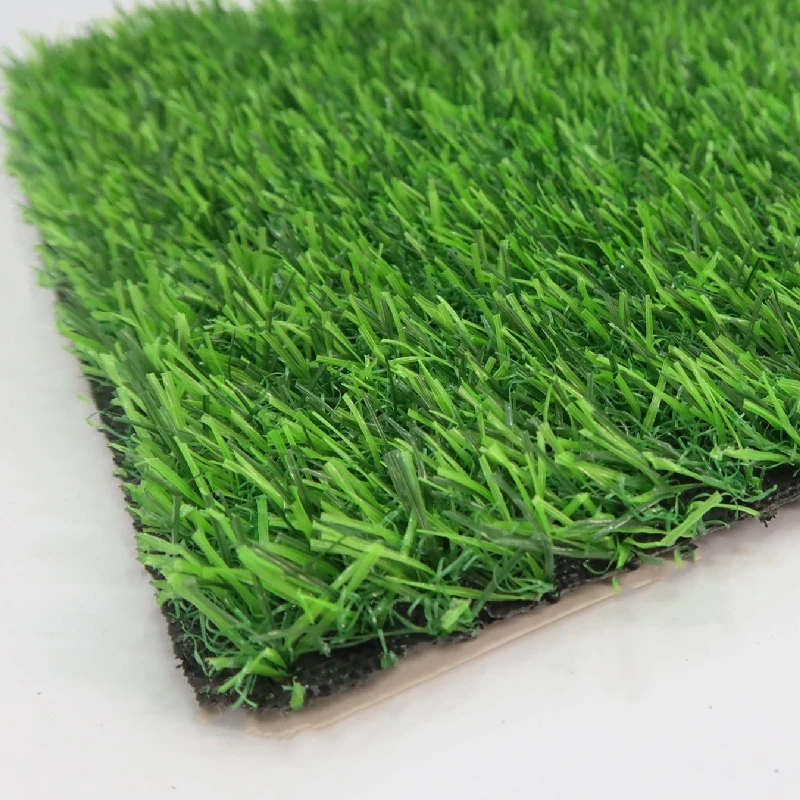
Artificial Grass For Pet Areas is a specially engineered synthetic turf designed to withstand the unique challenges posed by animals. It's not your typical lawn replacement—this turf needs to resist odors, repel stains, and provide a safe, comfortable surface for pets to roam freely. The technical makeup typically features durable polyethylene or polypropylene fibers with built-in antimicrobial agents that prevent bacteria buildup—a must-have insight from various pet industry experts.
One interesting case study involves a kennel facility that switched from traditional grass to artificial turf and reported significant decreases in maintenance time and odor complaints, essentially boosting customer satisfaction. Typically, the pile height varies between 20-30mm to provide softness without compromising drainage and durability. Drainage systems beneath the turf ensure that liquids flow away quickly, keeping the surface dry.
| Specification | Value / Detail |
|---|---|
| Fiber Material | Polyethylene / Polypropylene |
| Pile Height | 20-30mm |
| Backing | Perforated for Optimal Drainage |
| Antimicrobial Treatment | Yes, embedded in fibers |
Benefits & Use Cases of Artificial Grass For Pet Areas
The benefits here are frankly pretty compelling if you’re managing pet-facing businesses. Artificial grass designed for pets offers a clean, mud-free environment that’s also resistant to staining—a major pain-point when you consider how urine and waste can ruin most natural lawn surfaces. It’s no coincidence many doggy daycares and veterinary centers choose this product.
Beyond just aesthetics and hygiene, the surface is engineered to be soft yet durable enough to handle frequent running and digging—activities common with most pets. It also reduces maintenance costs drastically, since no watering, mowing, or re-sodding is ever needed. Plus, since the turf prevents mud and standing water, it’s a safer, cleaner area preventing slips and unwanted bacterial exposure.
The competitive advantage? Some products come with UV resistance too, which helps curb color fading even under intense sun. Not all turf is created equal here—so businesses leaning toward higher-end artificial grass will notice the difference when it comes to how long the turf lasts and how well it stands up in heavily used pet zones.
Cost, Maintenance & User Experience
While the upfront cost of artificial grass can be higher than natural sod, the total cost of ownership usually balances out over time thanks to significant savings in water usage, labor for maintenance, and repairs. For B2B buyers, that ROI can be quite attractive, especially when paired with a product that comes with a solid warranty and proven durability.
Clients in the pet care industry often share that the ease of cleaning—with simple rinsing protocols—and the resistance to odors have been game-changers in their daily operations. One veterinary client, for example, mentioned their foot traffic increased comfortably after installing artificial turf, owing to positive customer feedback on the clean, professional appearance.
And oddly enough, many engineers and installers mention that the turf generally feels cooler and softer underfoot compared to typical playground or sports turf—probably because of specific fiber blends and backing materials chosen for pet environments. It’s worth noting that proper installation is key; otherwise, drainage and longevity can suffer.
Vendor Comparison
| Feature / Vendor | Hoyergrass | Competitor A | Competitor B |
|---|---|---|---|
| Fiber Material | Polyethylene / Polypropylene | Polypropylene | Nylon blend |
| Antimicrobial Treatment | Embedded | Surface coating only | None |
| UV Resistance | High-grade | Moderate | Low |
| Warranty | 10 years | 5 years | 3 years |
Sustainability & Market Trends
Sustainability is becoming a larger piece of the puzzle, particularly because many businesses want to reduce their water consumption and chemical usage. Artificial grass fits quite well here since it eliminates watering and lowers the need for pesticides or fertilizers. Manufacturers like Hoyergrass are increasingly exploring recyclable materials and enhanced UV protection that prolong lifespan, reducing waste over time.
Market growth for artificial turf in pet areas is forecasted to increase steadily as more urban centers adopt pet-friendly policies and demand pet facilities with clean, practical outdoor spaces rises. Meanwhile, evolving legislation around water restrictions and eco-friendliness is nudging even more B2B buyers to consider this technology a smart, future-proof investment.
Frequently Asked Questions about Artificial Grass For Pet Areas
- What is Artificial Grass For Pet Areas and how does it work?
- It’s synthetic turf designed specifically for pets, featuring durable fibers that resist stains, odors, and bacteria. The infill and backing systems promote drainage and cleanliness, creating a surface that stays fresh and safe for animal use.
- What are the main benefits of using Artificial Grass For Pet Areas in industrial applications?
- The biggest advantages are less maintenance, improved hygiene, cost savings over time, and enhanced durability under heavy pet traffic. Plus, it provides a consistently clean look which is crucial for customer-facing businesses.
- How does Artificial Grass For Pet Areas compare to traditional alternatives?
- Unlike natural grass, artificial options don’t suffer from patchiness, mud, or overgrowth. They also require no watering or pesticides and maintain a uniform, clean appearance year-round.
- What industries can benefit most from Artificial Grass For Pet Areas implementation?
- Pet care facilities, kennels, veterinary clinics, doggy daycares, pet-friendly hotels, and even municipal parks with designated dog zones are prime sectors that gain from adopting this technology.
Conclusion on Artificial Grass For Pet Areas from china
Ultimately, Artificial Grass For Pet Areas offers a winning combination of durability, hygiene, and cost-effectiveness that makes it a smart investment for B2B buyers in the pet industry. With sustainability and technological innovation advancing steadily, this product category is only set to grow in importance.
- It’s a tech-forward alternative that helps pet spaces stay clean and inviting, cutting down hassle for facility managers.
- Visit our website: https://www.hoyarngrass.com
Reflections: Having dug a bit deeper, it seems clear that choosing artificial pet turf is less about a simple lawn replacement and more about smart facility management in today’s pet-friendly market. The ongoing improvements in materials and treatments keep making a solid case for switching sooner than later.
Latest news
-
Creating the Perfect Fake Grass Area for Dogs Complete Guide
NewsApr.16,2026
-
Guide to Using Fake Grass and Pets for a Pet Friendly Lawn
NewsApr.09,2026
-
Fake Grass and Dogs Creating a Pet Friendly and Durable Yard
NewsApr.07,2026
-
Maintaining a Pristine Lawn with Fake Grass and Dog Wee Management Solutions
NewsApr.04,2026
-
The Ultimate Guide to Choosing the Perfect Fake Dog Grass Patch for Your Pet
NewsMar.31,2026
-
Discover the Benefits of High Quality Fake Dog Grass for Potty Training
NewsMar.28,2026
Products categories