Welcome to Hoyarn
Call Us Any Time:+86 19801805999
Email Us: info@hoyarn.cn
Artificial Grass For Dog Training - Durable Solutions from Hoyarn Grass
Dec . 13, 2025 07:00 Back to list
Artificial Grass For Dog Training - Durable Solutions from Hoyarn Grass
Artificial Grass For Dog Training is a key solution in the industry, specifically within dog training centers, pet hotels, and canine rehabilitation facilities. This article explores how https://www.hoyarngrass.com supports professionals with durable, high-performance products, and explains why this product is an ideal choice for businesses in these sectors.
Table of Contents
- Artificial Grass For Dog Training Overview
- Benefits & Use Cases of Artificial Grass For Dog Training
- Cost, Maintenance & User Experience
- Sustainability & Market Trends
Artificial Grass For Dog Training Overview
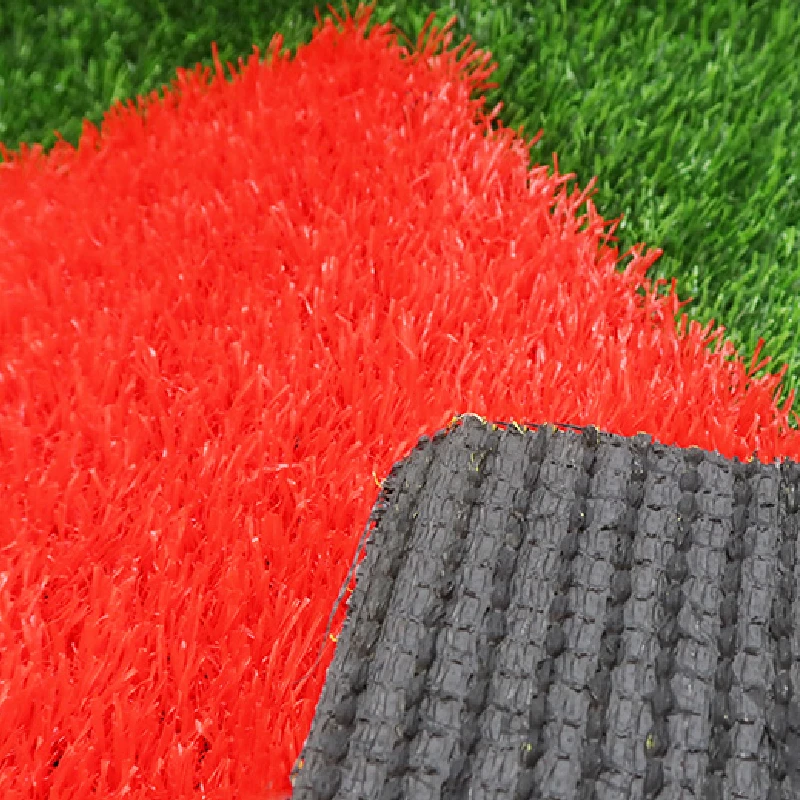
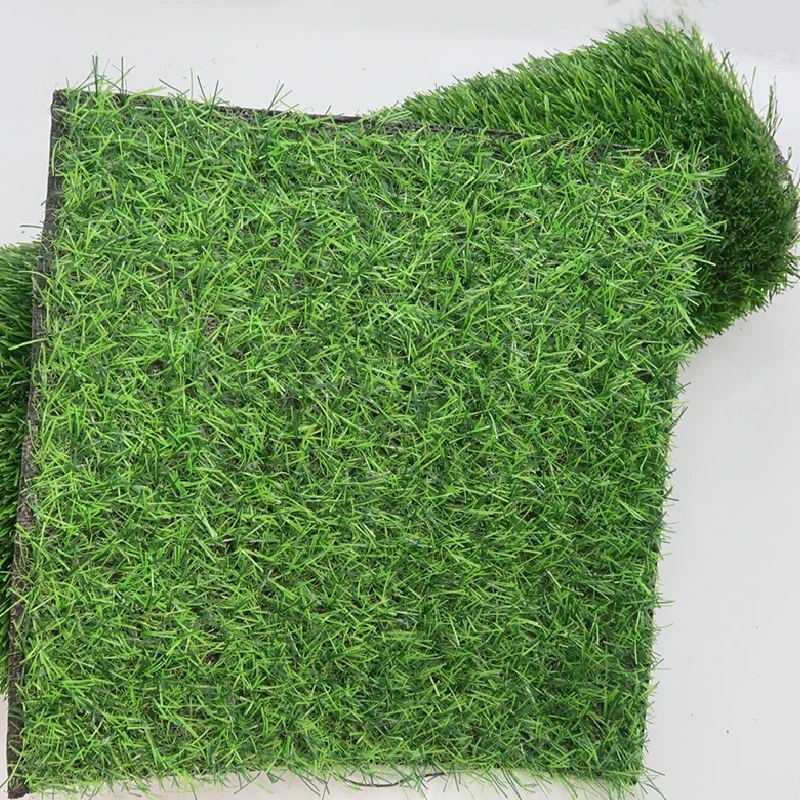
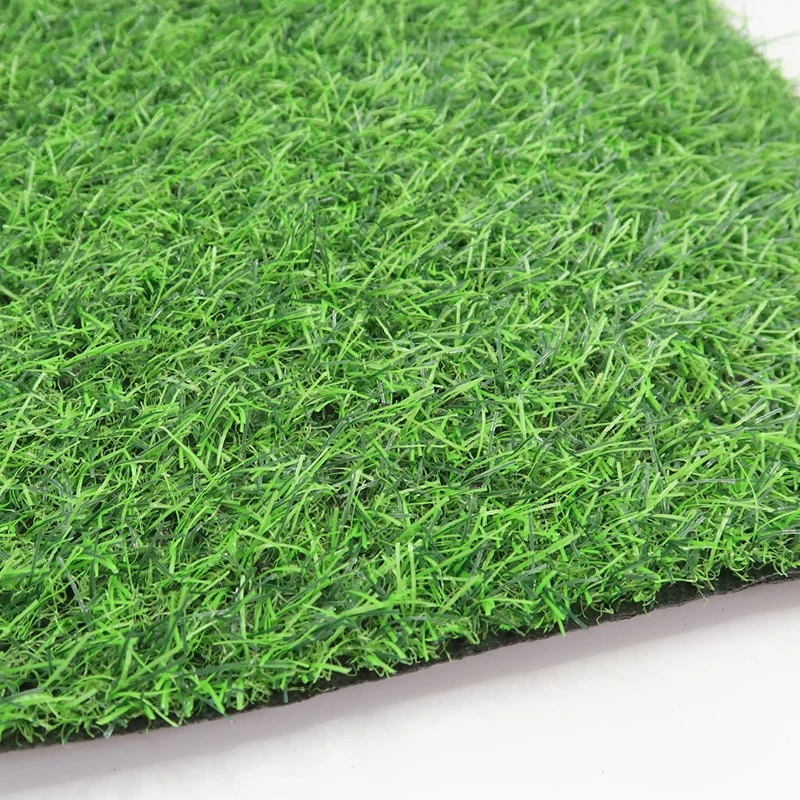
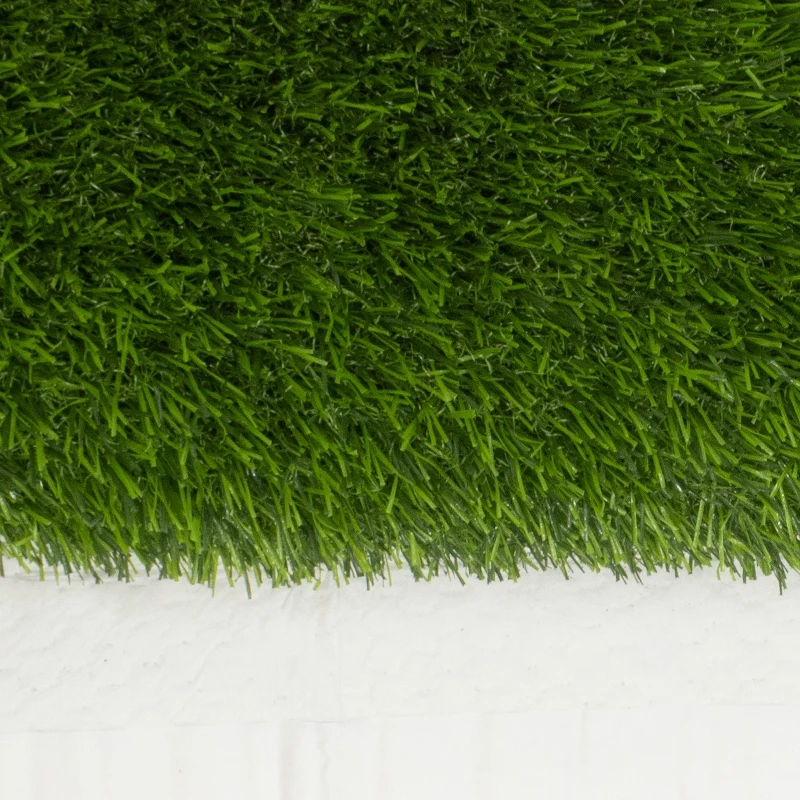
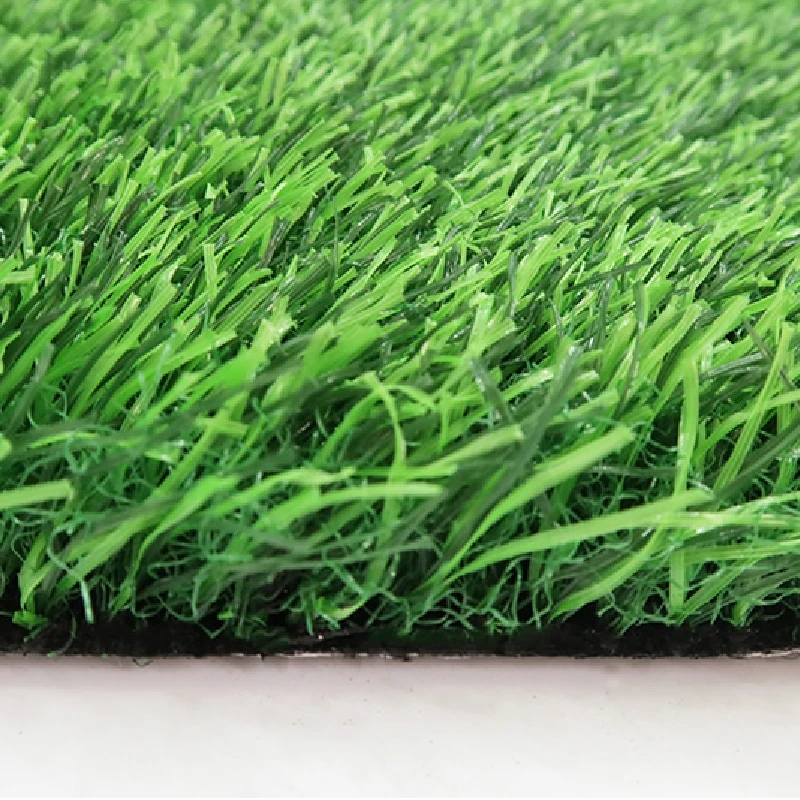
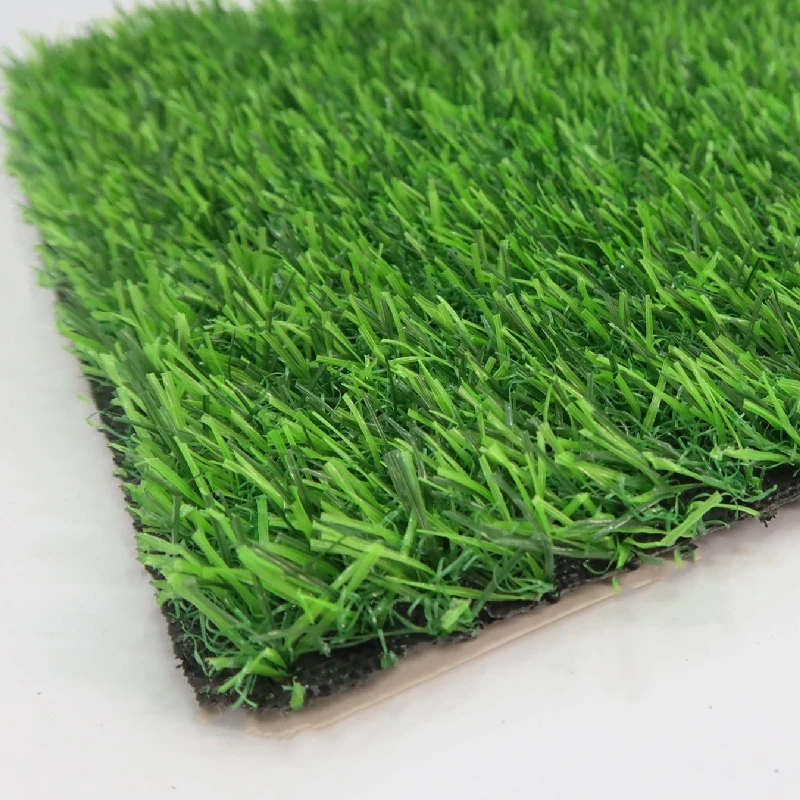
When diving into dog training environments, the surface on which a dog works can actually make or break the training experience. Artificial Grass For Dog Training stands out as a tailored product designed to replicate natural grass, but with materials and construction intended to withstand heavy use, moisture, and mess.
- It’s made from UV-resistant polyethylene fibers, ensuring colors don’t fade even after months under blazing sun or constant washing.
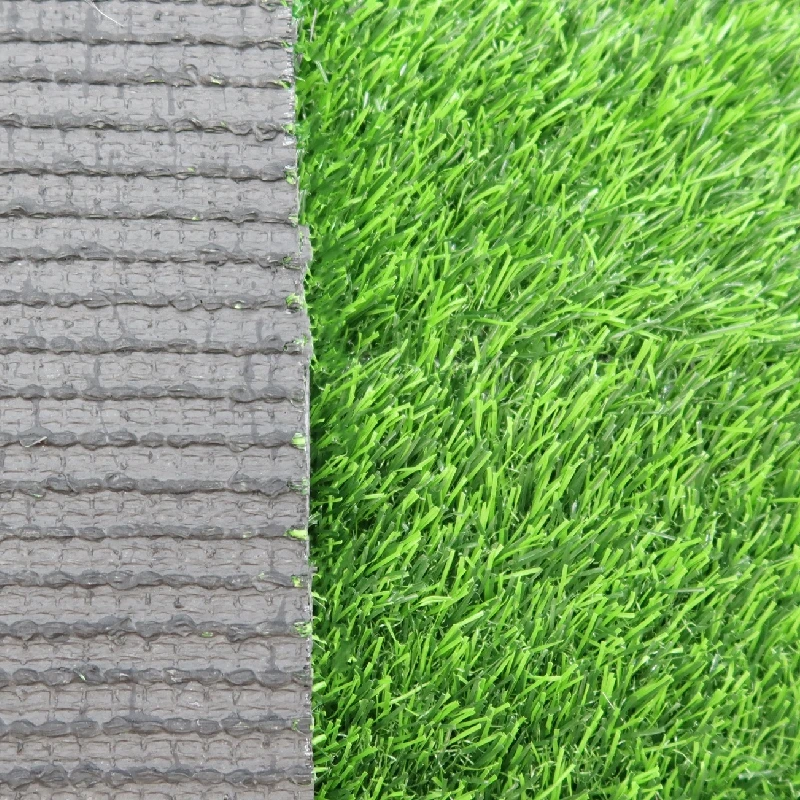
- The backing typically includes a permeable layer to quickly drain liquids, reducing odor and improving hygiene — a vital aspect since trainers deal with dog waste frequently.
- Technically, its pile height ranges between 20mm and 30mm, striking a balance between realistic feel and durability.
| Specification | Detail |
|---|---|
| Material | UV-stabilized polyethylene |
| Pile Height | 20-30 mm |
| Backing | Permeable latex for drainage |
| Weight per sq. meter | 2.5 - 3.0 kg |
| Colorfastness | 8/10 (UV resistance scale) |
| Warranty | 5 years |
Benefits & Use Cases of Artificial Grass For Dog Training
You know, dog trainers and facility managers often rave about how artificial turf transforms their daily operations. For starters, the surface creates a consistent training environment, unaffected by weather. Rain or shine, snow or drought – the ground stays ready to roll. Many training centers adopt it for pads, obstacle courses, and even indoor agility setups.
- Helps prevent muddy paws and dirt tracking - a constant nuisance with real grass.
- The drainage layer allows easy cleanup of waste, reducing the risk of bacterial buildup and unpleasant smells.
- Its longevity means it doesn’t need frequent replacement, unlike natural lawns which patch and degrade quickly under canine traffic.
Another little insight: The realistic feel actually calms some dogs more than artificial surfaces you’d expect — they adjust quicker and perform better when the footing is sure and familiar. In competitive dog training facilities, that edge matters.
Cost, Maintenance & User Experience
At first glance, artificial turf looks like a pricier bet, but the math works if you consider how many headaches and labor hours it saves. Installation costs depend on factors like area size and base prep, but once down, regular upkeep mainly means hosing off debris and sanitizing — no mowing, no fertilizing.
- Durability often exceeds 7 years in commercial settings, sometimes doubling with proper care.
- ROI is typically achieved within 3-4 years, factoring reduced labor and water bills.
Customer feedback from a few training kennels I spoke with notes how much less stress this turf causes their staff — cleaning routines are quicker, and dogs love the dry, firm surface. Of course, it’s not indestructible, but Hoyarn’s product line is engineered for resilience, with a five-year warranty to back it up.
| Vendor | Material Quality | Warranty | Price Range | Special Features |
|---|---|---|---|---|
| Hoyarn Grass | High UV resistant polyethylene | 5 years | Mid | Excellent drainage, antimicrobial backing |
| GreenPet Turf | Polypropylene blend | 3 years | Budget | Faster installation, less durable |
| ProFur Turf | Premium nylon fibers | 7 years | High | Extra soft feel, higher cost |
Sustainability & Market Trends
Sustainability has become more than a buzzword — it’s a business imperative. Today’s artificial grass incorporates recycled materials and is designed for recyclability at end-of-life. In fact, Hoyarn’s products partially leverage recycled polymers, lowering carbon footprints without compromising durability.
- Regulatory frameworks in places like California push for water conservation, making artificial turf a smart choice to meet sustainability goals.
- Market growth is steady with more veterinary clinics and training institutions adopting synthetic grass for hygiene and compliance reasons.
Oddly enough, the push for greener and cleaner spaces is encouraging innovation in artificial turf’s chemistry and manufacturing processes, so we’re likely to see even better products soon.
Frequently Asked Questions about Artificial Grass For Dog Training
- What is Artificial Grass For Dog Training and how does it work?
- It’s synthetic turf designed specifically for dog training environments. The design mimics natural grass but features a durable fiber and a drainage backing allowing it to handle heavy use, liquid waste, and rough paws without deteriorating quickly.
- What are the main benefits of using Artificial Grass For Dog Training in industrial applications?
- Key benefits include enhanced durability, a consistent and safe training surface, reduced cleaning and maintenance effort, and improved hygiene by limiting bacterial growth and odors.
- How does Artificial Grass For Dog Training compare to traditional alternatives?
- Compared to natural grass, it does not brown or patch, requires no watering or mowing, and drains faster. It also outperforms dirt or concrete floors by offering better paw comfort and traction.
- What industries can benefit most from Artificial Grass For Dog Training implementation?
- Primarily, dog training centers, veterinary clinics, boarding kennels, and canine rehabilitation facilities make the most out of this product for its hygiene, durability, and ease of maintenance.
Conclusion on Artificial Grass For Dog Training from china
To wrap it up, Artificial Grass For Dog Training isn’t just a fancy alternative to natural fields — it’s a durable, hygienic, and user-friendly surface that can seriously enhance training operations. The combination of smart design and reliable materials makes it a worthwhile investment for any dog-related business aiming to improve consistency and client satisfaction.
- Recap: Offers consistent surface, easy maintenance, and longevity.
- Visit our website: https://www.hoyarngrass.com
Oddly enough, in a field as tactile as dog training, choosing the right grass surface feels almost as crucial as picking the right trainer. Hopefully, this sheds some light on why trusted artificial turf has found a solid spot here.
References:
1. Industry Report on Synthetic Surfaces for Animal Care, 2023.
2. Hoyarn Grass Official Product Brief, 2024.
3. Veterinary Facility Case Studies on Artificial Turf Usage, 2022.
Latest news
-
Creating the Perfect Fake Grass Area for Dogs Complete Guide
NewsApr.16,2026
-
Guide to Using Fake Grass and Pets for a Pet Friendly Lawn
NewsApr.09,2026
-
Fake Grass and Dogs Creating a Pet Friendly and Durable Yard
NewsApr.07,2026
-
Maintaining a Pristine Lawn with Fake Grass and Dog Wee Management Solutions
NewsApr.04,2026
-
The Ultimate Guide to Choosing the Perfect Fake Dog Grass Patch for Your Pet
NewsMar.31,2026
-
Discover the Benefits of High Quality Fake Dog Grass for Potty Training
NewsMar.28,2026
Products categories