Welcome to Hoyarn
Call Us Any Time:+86 19801805999
Email Us: info@hoyarn.cn
Artificial Grass 7m x 6m – Durable, Eco-Friendly Turf Solutions for Every Space
Nov . 30, 2025 08:35 Back to list
Artificial Grass 7m x 6m – Durable, Eco-Friendly Turf Solutions for Every Space
Understanding Artificial Grass 7m x 6m: Why It’s More Than Just Lawn Decoration
Artificial grass has quietly become an unsung hero in landscaping, sports, and even humanitarian projects worldwide. When you hear artificial grass 7m x 6m, you might picture a standard backyard turf, but its relevance goes way beyond mere aesthetics. In fact, its standardized size, durability, and cost-effectiveness address some critical global challenges—think water conservation, maintenance reduction, and rapid urban green space development.
Globally, water scarcity is a pressing issue. According to a UN report, agriculture and landscaping consume nearly 70% of freshwater. Artificial grass helps cut down water usage drastically since it requires no irrigation. Plus, in cities starved for green spaces, rolls like the 7m x 6m size provide manageable, quick-install solutions for parks, events, or sports arenas. And yes, it’s spreading into disaster relief areas, where quick “green” rehabilitation can lift morale and restore environments. A surprising blend of utility and comfort, wouldn’t you say?
Setting the Scene: Artificial Turf’s Growing Global Role
The turf industry has grown at a compound annual rate of nearly 8% since the 2010s, driven mostly by urbanization, environmental concerns, and advances in synthetic materials (ISO 9001 quality standards increasingly apply). Artificial grass dimensions like 7m x 6m cater nicely to residential projects and smaller commercial jobs, striking a balance—they're neither unwieldy nor limiting. The popularity is also a response to the challenge of maintaining natural lawns in areas prone to drought or heavy foot traffic. It’s a problem that’s been nudging landscape architects and facility managers to think creatively.
Interestingly enough, large events often use artificial grass rolls of about this size for temporary installations, cutting setup times by half compared to bespoke solutions. This practicality is why the 7x6 meter measurement is becoming a standard in many catalogs.
What Exactly Is Artificial Grass 7m x 6m?
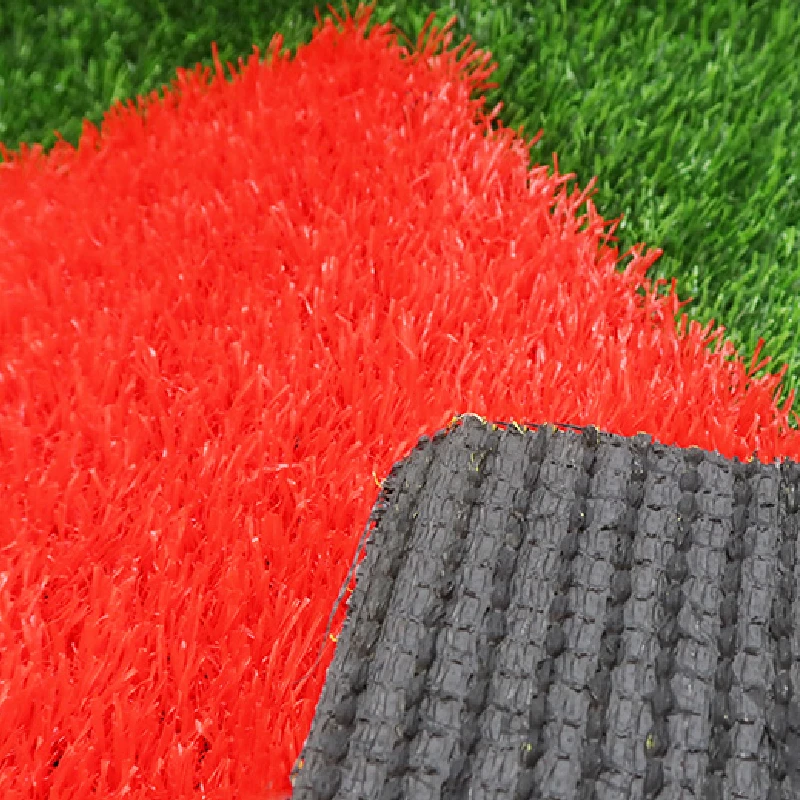
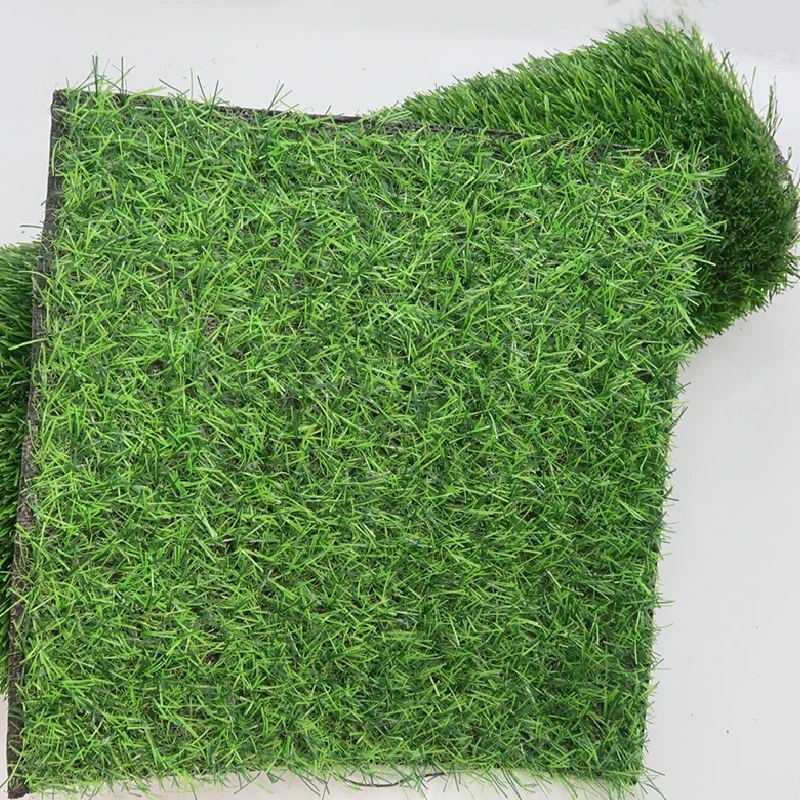
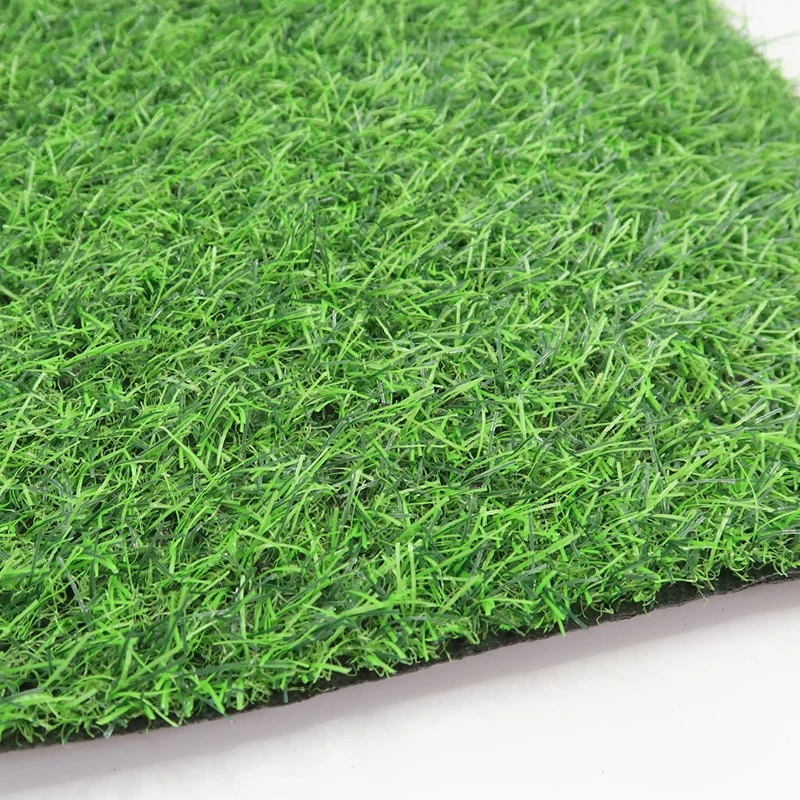
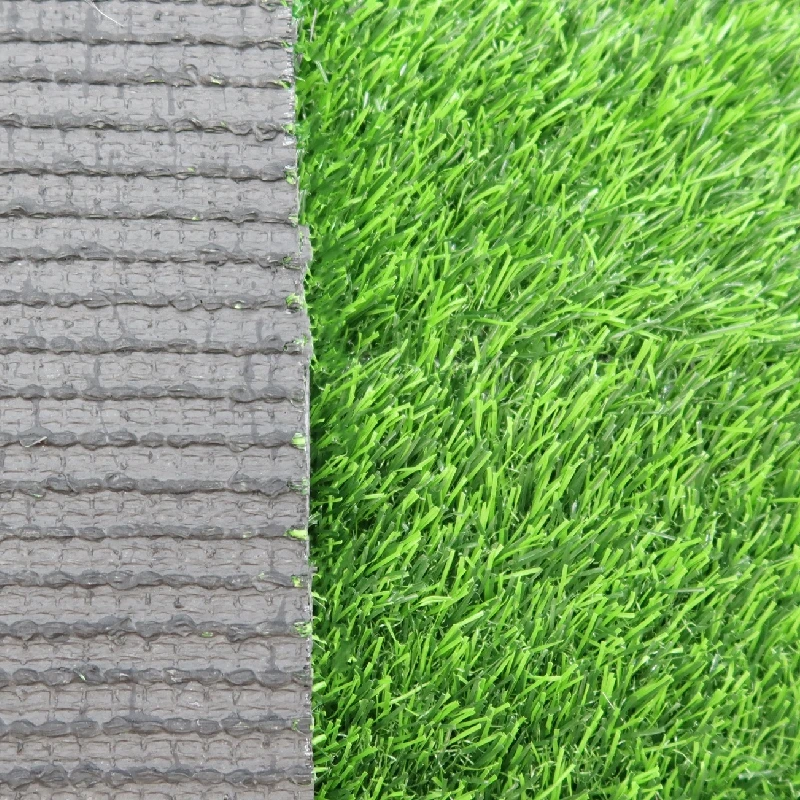
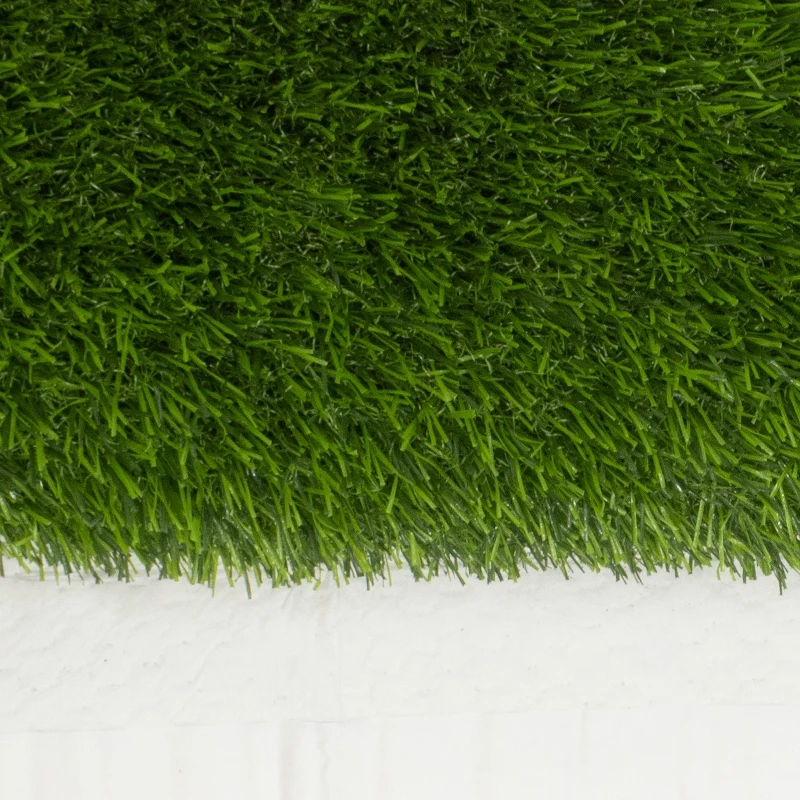
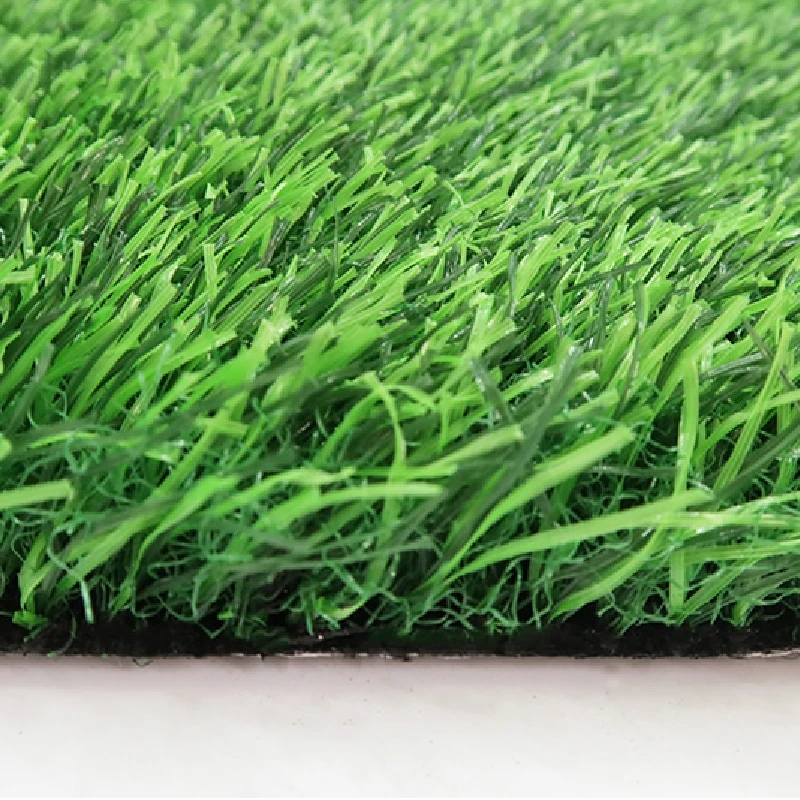
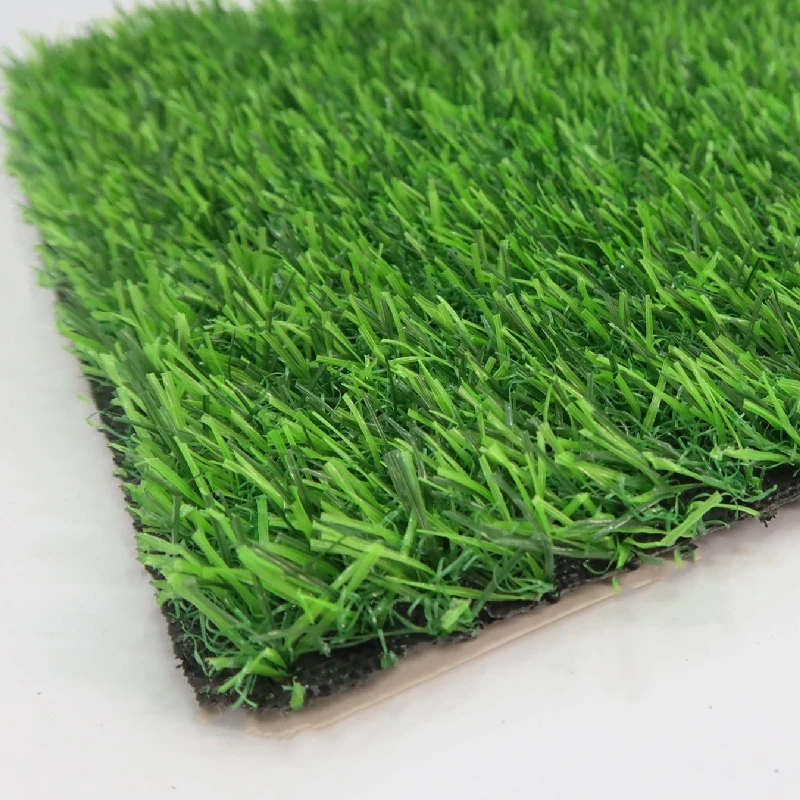
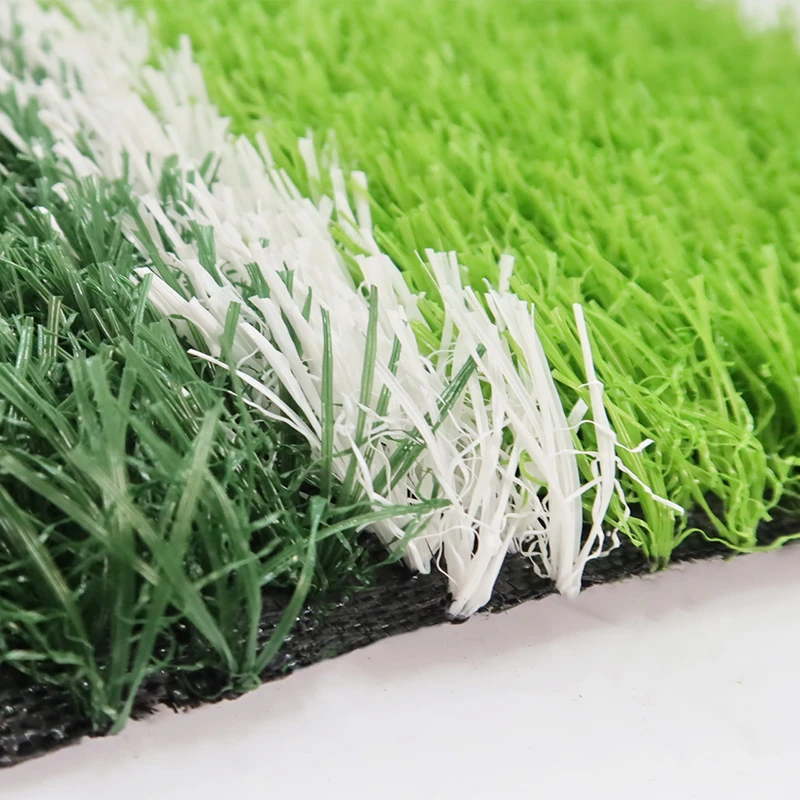
Simply put, artificial grass 7m x 6m is a synthetic turf product cut or manufactured in a sheet measuring seven meters by six meters—roughly 42 square meters of coverage. It’s primarily made of polyethylene, polypropylene, or nylon fibers that mimic natural grass blades, fixed onto a sturdy backing material. The product is designed for quick installation, durability, and low maintenance.
In modern terms, it’s part landscaping, part engineering marvel and, odd as it sounds, part humanitarian tool. For NGOs setting up temporary recreational areas in camps or providing green spaces in urban renewal projects, these modular sized pieces can be lifesavers.
Key Factors to Consider When Choosing Artificial Grass 7m x 6m
Durability and Material Quality
Durability is king here. Many manufacturers use UV-stabilized polyethylene fibers that won’t fade or degrade easily under sun exposure. The backing must allow efficient water drainage to avoid puddles—and that matters a lot if you install it outdoors where weather is unpredictable. In real terms, this means the turf can last a decade or more with proper care.
Pile Height and Density
This describes how tall the grass blades are and how densely they are packed. A 25-35mm pile height is popular for residential and commercial uses, giving a natural look without feeling spiky. The denser the field, the softer underfoot—and usually the better it holds up.
Ease of Installation
The 7m x 6m dimension is great because it’s big enough to cover large areas quickly but still manageable for a small crew or DIY installers. Rolls can be cut and joined easily, reducing labor costs and installation time.
Cost Efficiency Over Time
While initial expenditure might feel steep compared to seed or sod, the savings from reduced water bills, no mowing, and minimized pest control add up. Often, the return on investment shows within 3-5 years, which is appealing for municipalities and property owners alike.
Environmental Impact
Contrary to some opinions, high-quality artificial grass can be environmentally friendly due to water savings and lack of pesticides. At the same time, recyclability and biodegradability are still concerns being tackled by manufacturers.
Maintenance and Cleaning
Routine brushing, rinsing, and debris removal keep artificial grass looking fresh. The modular nature of the 7m x 6m turf makes spot repairs easier than patching an entire lawn.
Mini takeaway: Selecting artificial grass 7m x 6m isn’t just about size—it’s the holistic combination of materials, installation, and end-use that really counts.
Product Specification Table
| Specification | Details |
|---|---|
| Dimensions | 7 meters x 6 meters (42 m²) |
| Material | UV-stabilized polyethylene fibers, latex backing |
| Pile Height | 30 mm |
| Weight (per roll) | 18 kg |
| Drainage Rate | 60 liters/min/m² |
| Warranty | 8 years against UV fading and wear |
Global Applications & Use Cases of Artificial Grass 7m x 6m
This synthetic turf format has diverse usages worldwide. In Europe, it’s popular for private garden renovations, sports pitches, and even rooftop greenery. The Mediterranean heat makes real grass a challenge; artificial turf with excellent UV resistance fits perfectly.
In Australia and California, where drought restrictions are common, homeowners and businesses have rolled out large-format artificial grass—often 7m x 6m pieces—for patios and play areas, conserving thousands of liters of water each season.
Humanitarian implementation is perhaps the most fascinating. NGOs working in refugee camps and temporary settlements utilize these modular turf pieces to create comfortable green zones, which in turn ease psychological stress for displaced communities. In post-disaster zones, a quick 7x6 meter patch of artificial grass can literally brighten a makeshift community center or children's play area.
Industrial zones with heavy foot traffic but no natural soil structure often choose these turf rolls to create dust-free, safe walking paths. The practical reach keeps growing.
Mini takeaway: The artificial grass 7m x 6m size has a nice sweet spot—versatile enough for innovation, standardized enough for broad application.
Advantages & Long-Term Value
- Cost Savings: Lower maintenance costs (no mowing, fertilizing, or watering) pay off over time.
- Sustainability: Significant water savings and chemical-free upkeep align with global environmental commitments.
- Safety: Non-toxic materials and excellent drainage reduce slip hazards and exposure to allergens.
- Consistency: Maintains aesthetic appeal year-round, unlike natural grass which fluctuates seasonally.
- Social Impact: Provides green spaces in urban “grayness,” and improves mental well-being according to WHO urban health guidelines.
Many who choose artificial grass 7m x 6m emphasize reliability and trust—it feels like you’re investing not just in turf but in lifestyle and environment.
Looking Ahead: Future Trends & Innovations in Artificial Grass
Manufacturers are innovating rapidly. Biodegradable backing materials and recyclable fibers promise greener footprints. The integration of cooling technologies reduces surface temperature, a persistent complaint in hot climates. Some brands are experimenting with embedded sensors for soil moisture (or turf “health” monitoring) that can sync with smart irrigation systems—odd, given that no watering is needed, but handy for hybrid spaces.
Meanwhile, automation in installation, such as drone mapping for precise measurement, combined with digital ordering platforms, has made the 7m x 6m rolls easier to acquire and fit perfectly into diverse sites worldwide.
Challenges & Practical Solutions
Two main issues stand out: environmental impact concerns tied to microplastics and the initial cost barrier for some customers. However, leading manufacturers are addressing these by using eco-friendly polymers and offering financing options. Regular cleaning and proper end-of-life recycling programs also mitigate environmental concerns.
Furthermore, some critics note artificial grass can get hot under direct sun, but the new cooling infills and shaded installations increasingly solve this problem.
Vendor Comparison Table
| Vendor | Material Quality | Warranty | Environmental Focus | Price Range (per m²) |
|---|---|---|---|---|
| GreenField Turf | Extra UV-resistant PE fibers | 10 years | Uses recycled materials | $30–$40 |
| EcoPlay Surfaces | Soft nylon blend fibers | 8 years | Biodegradable backing | $35–$45 |
| Duragrass Industries | High-density polypropylene | 7 years | Standard recyclability | $25–$35 |
FAQ: Your Questions About Artificial Grass 7m x 6m Answered
1. How easy is it to install artificial grass 7m x 6m for a beginner?
Installation is designed to be user-friendly. The 7m x 6m size balances coverage and manageability, making it feasible for DIY projects with basic tools. Surface prep is crucial, and many suppliers provide detailed instructions or even tutorial videos.
2. Can artificial grass 7m x 6m withstand harsh weather conditions?
Yes. High-quality turf uses UV-stabilized fibers and drainage systems that perform well in sun, rain, and frost. However, extreme heat can raise surface temperatures, so using cooling infills or shaded areas is recommended.
3. What maintenance is required for artificial grass in this size?
Maintenance is minimal: occasional brushing to keep fibers upright, rinsing to remove dust or spills, and checking joints after storms. The modular 7x6 meter sections make localized repairs simple and less costly.
4. Is artificial grass 7m x 6m environmentally sustainable?
While it reduces water use and eliminates chemicals, concerns about plastic waste exist. Choosing products with recycled materials and participating in recycling programs enhances sustainability efforts.
5. How does the 7m x 6m dimension benefit commercial versus residential projects?
The size is versatile—it offers enough turf to cover patios, sports areas, or event spaces with fewer seams. For commercial use, fewer seams means better durability and aesthetics; residential users get easier handling and quicker installs.
Wrapping It Up
Artificial grass 7m x 6m is more than just a turf size—it’s a practical, innovative solution answering community, commercial, and environmental needs on a global scale. Its blend of ease, durability, and eco-consciousness offers a compelling alternative to natural grass in many contexts. Whether you’re upgrading a backyard, outfitting a sports field, or aiding in relief efforts, this standard turf size ticks nearly every box.
Curious? For comprehensive options and tailored solutions, do visit our product catalog at artificial grass 7m x 6m—you might just find what fits your vision perfectly.
References:
1. United Nations Water Scarcity Report, 2022
2. International Organization for Standardization - ISO 9001:2015 Quality Management Systems
3. World Health Organization - Urban Green Spaces & Health, 2018
Latest news
-
Creating the Perfect Fake Grass Area for Dogs Complete Guide
NewsApr.16,2026
-
Guide to Using Fake Grass and Pets for a Pet Friendly Lawn
NewsApr.09,2026
-
Fake Grass and Dogs Creating a Pet Friendly and Durable Yard
NewsApr.07,2026
-
Maintaining a Pristine Lawn with Fake Grass and Dog Wee Management Solutions
NewsApr.04,2026
-
The Ultimate Guide to Choosing the Perfect Fake Dog Grass Patch for Your Pet
NewsMar.31,2026
-
Discover the Benefits of High Quality Fake Dog Grass for Potty Training
NewsMar.28,2026
Products categories