Welcome to Hoyarn
Call Us Any Time:+86 19801805999
Email Us: info@hoyarn.cn
50mm Artificial Grass: Durable, Eco-Friendly & Practical Turf Solutions
Nov . 29, 2025 13:20 Back to list
50mm Artificial Grass: Durable, Eco-Friendly & Practical Turf Solutions
Understanding 50mm Artificial Grass: A Durable Solution for Modern Landscapes
Artificial grass has come a long way from its early, plastic-looking incarnations. Today, one specification stands out across landscaping, sports fields, and commercial installations — the 50mm artificial grass. But why does this particular turf thickness matter globally, and what benefits does it really bring to the table?
In an era where resource efficiency, sustainability, and ease of maintenance are paramount, 50mm artificial grass offers the perfect balance of aesthetic appeal, durability, and functional performance. Whether you're a municipal planner looking to reduce water consumption, a sports facility aiming for resilience under heavy foot traffic, or a homeowner craving lush lawns with minimal upkeep, this turf variant is steadily becoming the go-to choice worldwide.
Quick takeaway:
- 50mm artificial grass is prized for its natural look.
- It meets diverse needs — from recreational to commercial spaces.
- Understanding its global relevance unlocks smarter landscaping and cost savings.
Why 50mm Artificial Grass Matters Globally
According to the United Nations, urban green spaces are crucial for health, biodiversity, and climate resilience. However, real grass lawns command significant water and maintenance resources — something many regions struggle to provide sustainably. The World Bank reports ongoing water scarcity in over 40% of the world's population (1), urging us to rethink traditional landscaping.
That’s where 50mm artificial grass enters the scene. It offers a low-water alternative with long life, fewer chemical treatments, and lower carbon footprints — addressing major ecological and economic challenges, especially in dry climates and densely populated cities.
But the challenge isn’t just about saving water or aesthetics. The turf has to withstand real-world weather, foot traffic, and even safety standards, which 50mm’s specific pile height and construction have proven well-suited for. So it solves an intricate problem, providing greenery without the usual gardening headaches or environmental costs.
Mini takeaway:
- Water scarcity pushes demand for low-maintenance landscaping.
- 50mm artificial grass offers a practical, eco-friendly solution.
- Its durability balances aesthetics and functionality globally.
What Is 50mm Artificial Grass, Anyway?
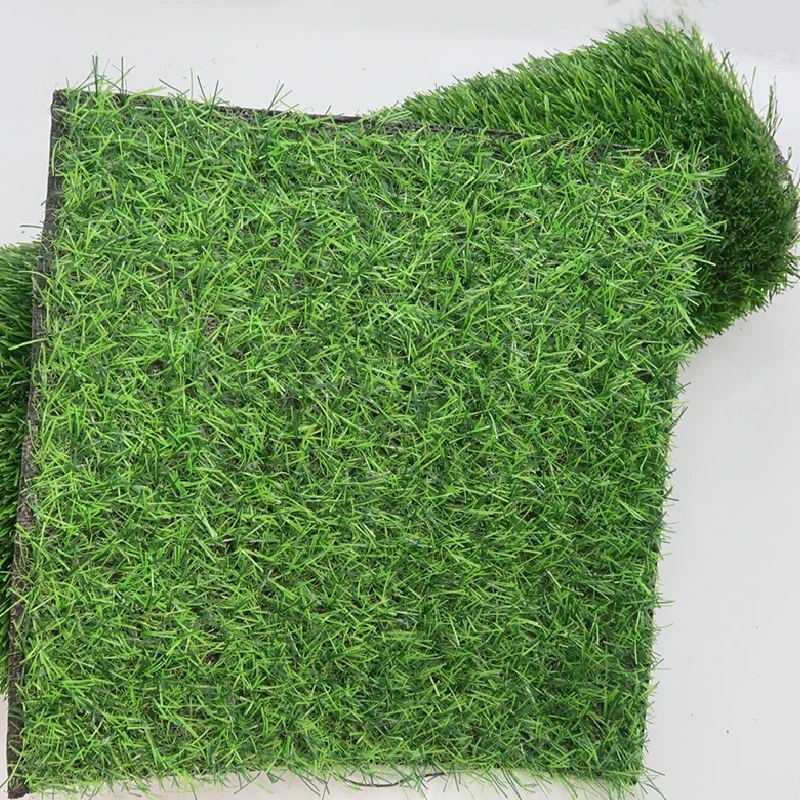
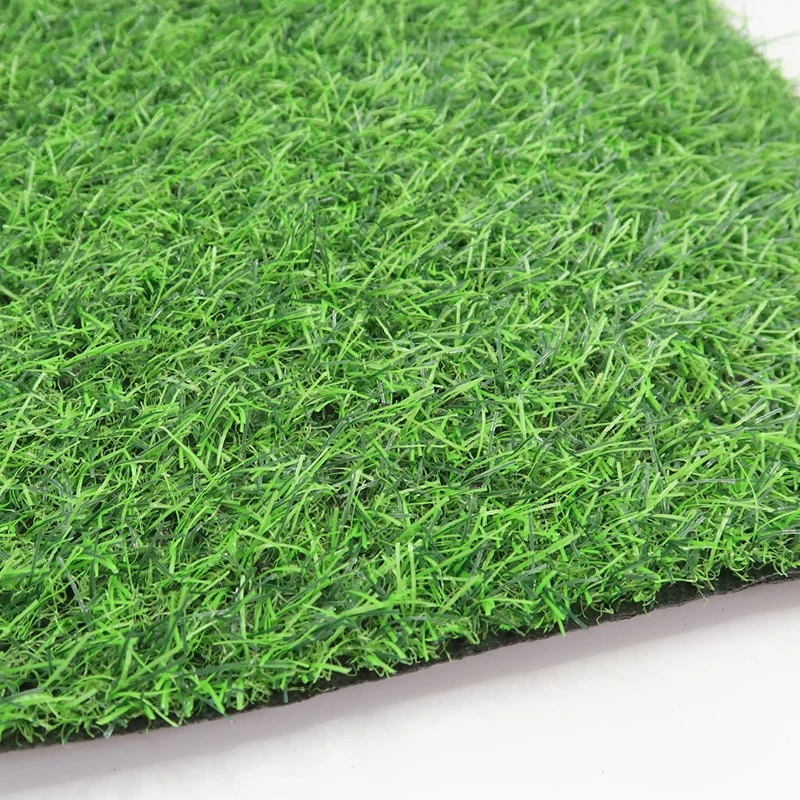
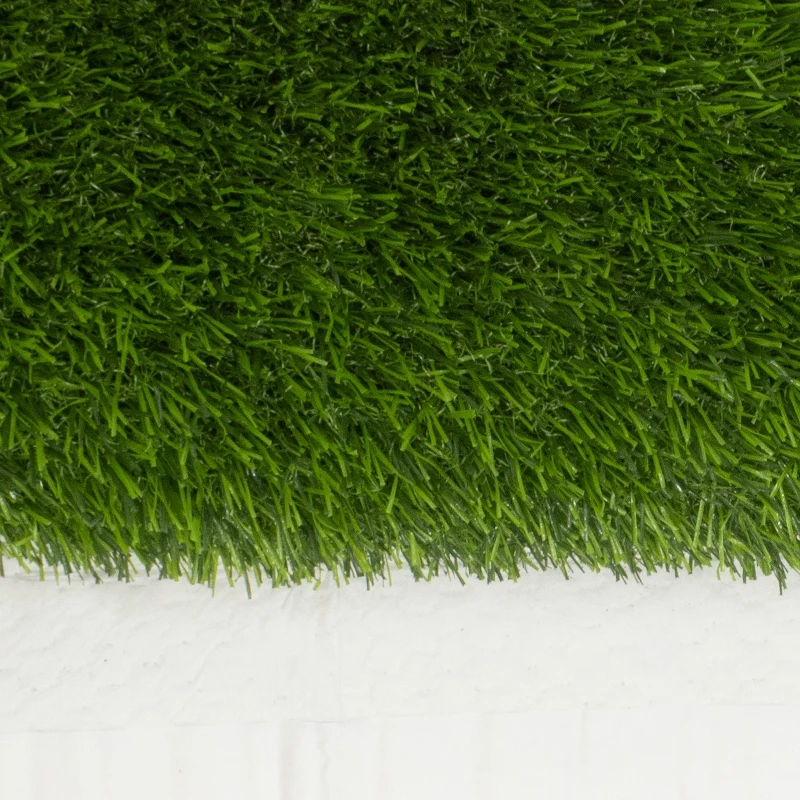
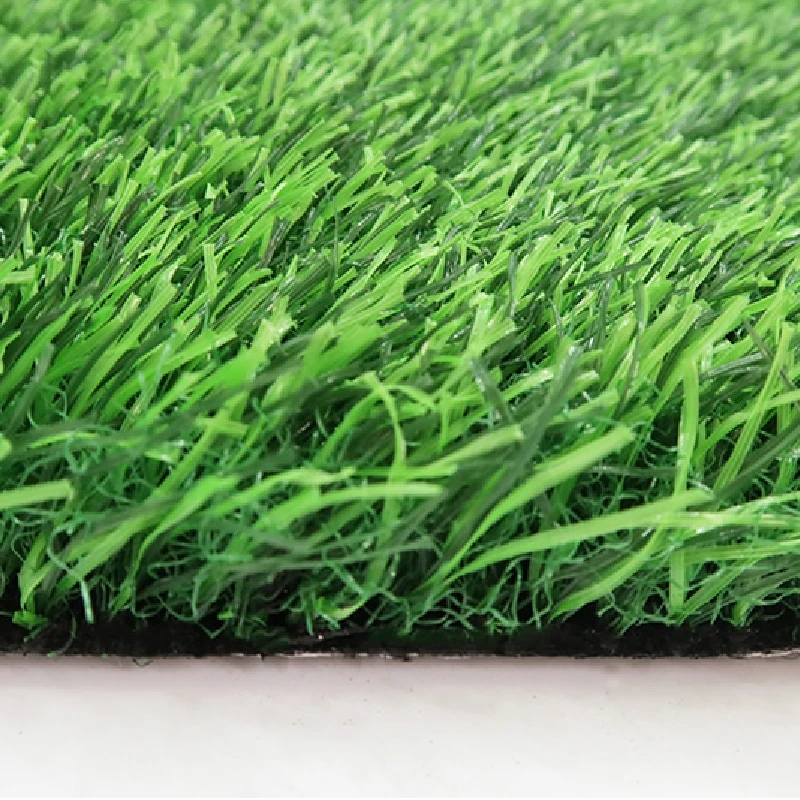
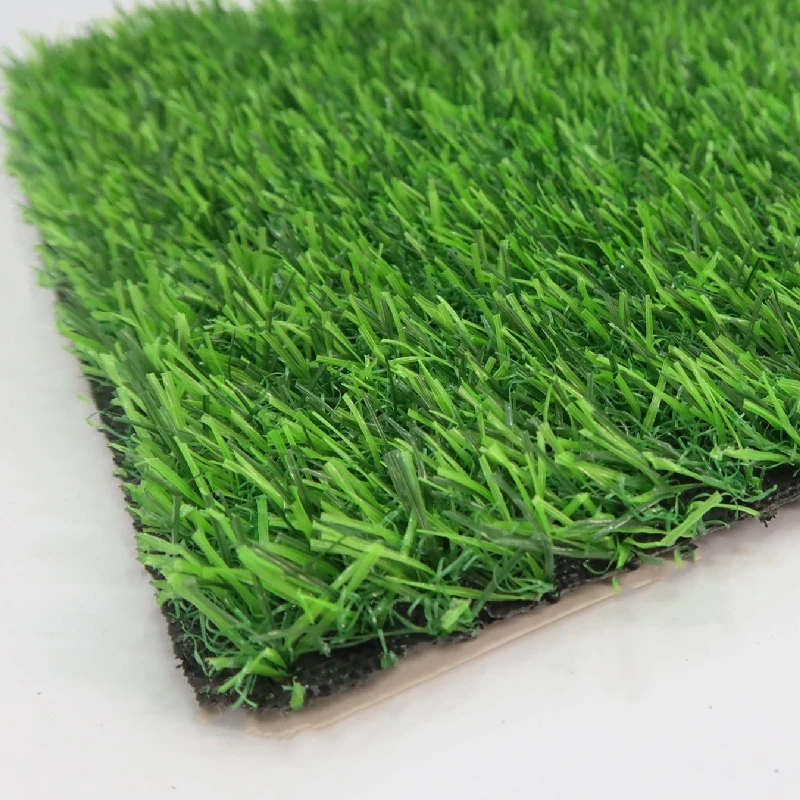
Simply put, 50mm artificial grass refers to synthetic turf with a blade height — or pile length — of approximately 50 millimeters (around 2 inches). This measurement isn’t arbitrary; it strikes a sweet spot where the grass looks lush and feels natural underfoot, yet isn’t so tall as to become prone to matting or excessive dirt accumulation.
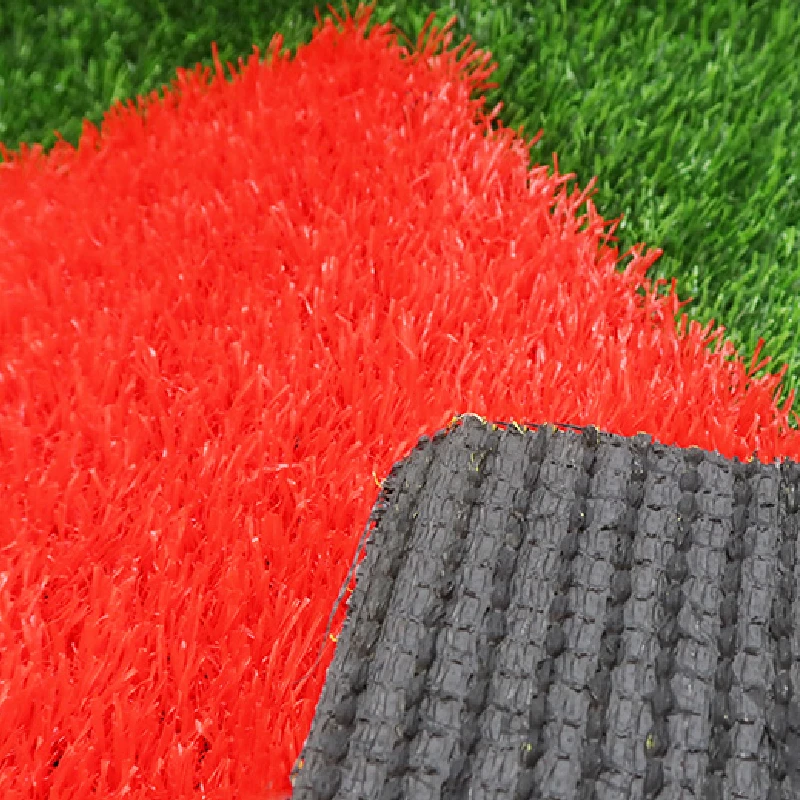
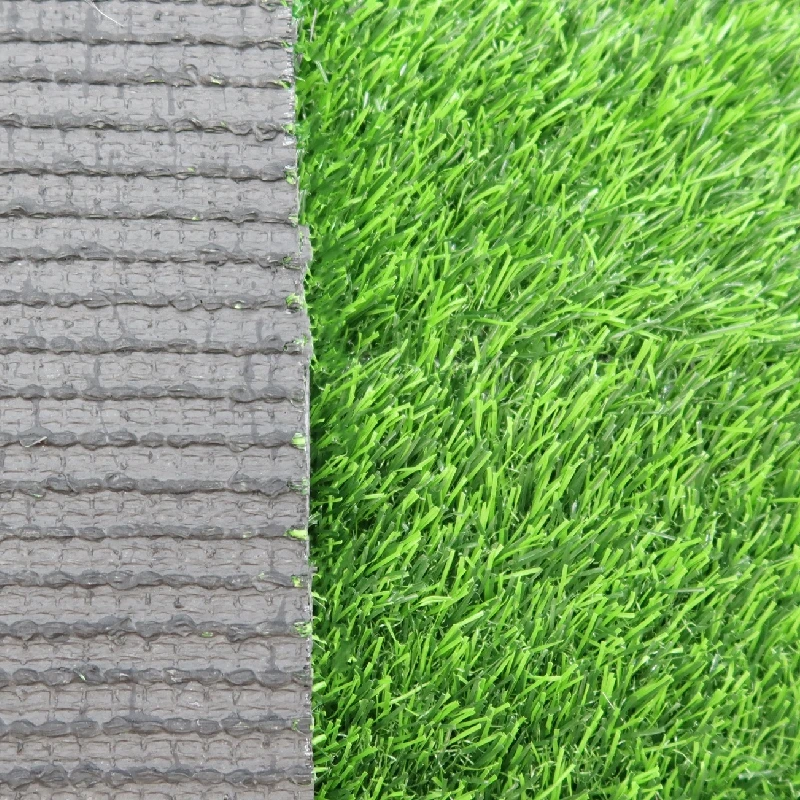
This turf usually consists of polyethylene or polypropylene fibers tufted into a backing material with drainage holes, then coated with a rubber or sand infill for stability. The 50mm pile length offers a cushioned surface that's comfortable to walk on and resilient enough for sports or public areas.
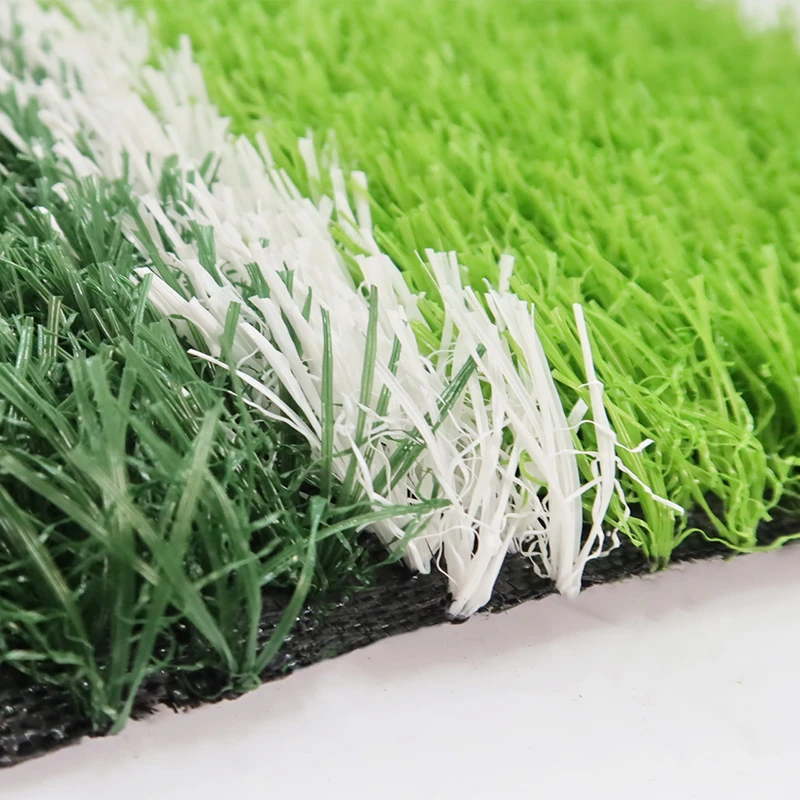
Its tie to modern industry extends beyond landscaping — major sports stadiums, urban playgrounds, and event venues increasingly rely on this turf standard to balance cost, durability, and user experience. Even humanitarian projects have begun deploying turf for quick installation in temporary settlements or community centers, especially in arid or degraded environments.
Key points:
- 50mm indicates turf blade length, ideal for visual and tactile realism.
- Widely used in commercial, sports, and residential settings.
- Technically designed for durability, drainage, and comfort.
Core Features Making 50mm Artificial Grass Stand Out
Durability
One major reason why 50mm artificial grass is a staple in commercial landscaping is its resistance to wear and tear. The synthetic fibers are engineered to maintain shape and color through repeated foot traffic, weather changes, and UV exposure — often guaranteed for over 8 years.
Drainage
50mm turfs typically feature backing materials with perforations that allow water to drain quickly, preventing puddles, mold, or slipping hazards. This makes landscapes usable soon after rain, unlike some natural lawns that become mud traps.
Cost Efficiency
While upfront costs can be higher than seeding a natural lawn, the long-term savings in water, fertilizers, pesticides, and lawn care equipment quickly tip the scales. Maintenance is typically limited to occasional brushing and debris removal.
Comfort and Safety
The 50mm pile length provides a cushioned layer, reducing injury risks on playgrounds or athletic pitches. Some high-end variants incorporate shock pads underneath for extra protection on sports surfaces.
Aesthetic Appeal
Because of its thickness, it often looks lush and vibrant year-round, a firm favorite for designers aiming for that “freshly mown” look without the seasonal browning or patchiness.
Summary:
- Rugged fibers mean long-lasting turf.
- Good water drainage keeps surfaces safe and useable.
- Accumulate savings over time through lower upkeep.
Typical Uses of 50mm Artificial Grass Around the World
It's fascinating to see how widespread the adoption is. In the Middle East’s arid cities — Dubai, for example — 50mm turf helps reduce potable water use massively while maintaining green urban spaces. In Europe, stadiums like Wembley and local recreational fields rely on similar turf specs to keep games on schedule despite rain.
NGOs working in disaster-affected areas or refugee camps have experimented with artificial grasses as quick, hygienic ground covers in temporary playgrounds or community gathering spots, delivering dignity and comfort underfoot where natural grass simply can’t grow quickly.
In remote mining or industrial zones, some companies install 50mm artificial turf landscaping around offices and camps to cut maintenance costs while improving workplace morale with greenery.
Use-case highlights:
- Urban landscaping in water-stressed regions like the Middle East.
- Sports and recreation fields worldwide.
- Temporary installations by humanitarian agencies.
- Industrial camp beautification to improve worker wellbeing.
Advantages and Long-Term Value of Choosing 50mm Artificial Grass
On a practical level, the typical benefits revolve around best-in-class appearance paired with robust function. But if you’re honest with yourself, the emotional and societal benefits are equally compelling.
- Sustainability: Cuts down water use (an estimated 55-75% savings), chemical fertilizers, and mowing emissions.
- Reliability: Comes through rainy seasons and droughts looking nearly identical.
- Safety: Less mud, fewer allergies, and cushioned impacts find friends among parents and coaches.
- Community impact: Greener spaces boost morale, encourage activity, and offer quality-of-life upgrades.
Financially, those lower maintenance costs compound year-over-year to pay back the investment, which many have noticed is often under two years in commercial settings.
Product Specification Table for 50mm Artificial Grass
| Feature | Description |
|---|---|
| Pile Height | 50mm (approx. 2 inches) |
| Material | Polyethylene fibers with polypropylene async combinations |
| Backing | Polyurethane-coated latex with perforations for drainage |
| Infill | Silica sand or rubber granules (optional) |
| UV Resistance | Excellent; maintains color after 5+ years |
| Warranty | 7-10 years typical |
Comparing Top Vendors of 50mm Artificial Grass
| Vendor | Warranty | Price Range (per m²) | Special Features |
|---|---|---|---|
| GreenLawn Solutions | 10 years | $25 - $35 | Eco-friendly fibers, high UV resistance |
| TurfMasters Intl. | 8 years | $20 - $30 | Quick installation system, customizable infills |
| EcoGrass Co. | 7 years | $22 - $32 | Recycled materials, antibacterial backing |
Innovations and Future Developments in 50mm Artificial Grass
It feels like we’re just scratching the surface of what synthetic turf can do. Innovations on the horizon include bio-based fibers that degrade more responsibly, embedded sensors that measure field usage or moisture retention, and antimicrobial coatings to improve hygiene in public spaces.
Also, efforts toward “smart turf” integrate digital monitoring to optimize maintenance cycles and predict surface wear, saving money and avoiding downtime. With the global sustainability push, everything from greener manufacturing processes to recycling programs is accelerating.
Addressing Challenges: Honest Talk About Artificial Turf
We can’t pretend artificial turf is perfect — concerns remain around heat retention on sunny days, microplastic runoff, and initial installation costs. A common limitation is turf’s tendency to get hotter than natural grass, sometimes requiring misting systems or shaded designs to mitigate.
However, manufacturers are experimenting with reflective yarns and infill materials to lower surface temperatures, while experts recommend proper site design to optimize comfort and safety.
Ultimately, these challenges reinforce why 50mm artificial grass is continuously evolving — driven by end-user feedback, environmental demands, and new material tech.
Frequently Asked Questions About 50mm Artificial Grass
- Q: How long does 50mm artificial grass typically last outdoors?
- A: With proper installation and maintenance, it usually lasts between 8 to 12 years — some vendors offer warranties up to 10 years ensuring UV resistance and tuft stability.
- Q: Is 50mm artificial grass suitable for children’s playgrounds?
- A: Absolutely. The pile length offers good cushioning, reducing injury risk. When combined with shock pads beneath, it meets many safety standards for playground surfacing.
- Q: How does it perform in extreme weather conditions?
- A: 50mm turf withstands varied climates but may get hot under direct sun. Maintenance includes routine brushing and debris removal. Innovations like cooling infills also help.
- Q: Can the turf be customized for different colors or blade shapes?
- A: Yes, many suppliers offer blends of green shades and blade textures to mimic different grass types or create decorative effects.
- Q: What’s the environmental impact compared to natural grass?
- A: While it uses plastics, the water savings and reduced chemical inputs often offset its carbon footprint over time. Plus, recycling programs are developing.
Final Thoughts: Why 50mm Artificial Grass Could Be Your Best Landscaping Choice
At the end of the day, 50mm artificial grass serves as a practical, sustainable, and aesthetically pleasing alternative to natural turf that fits a modern world's demands. Its adaptability across climates and contexts — from lush residential lawns to tough sports fields — underscores why it’s gaining traction everywhere.
So whether you’re planning your next project or simply rethinking maintenance costs, consider the smart blend of form and function that 50mm turf provides. If you want to dive deeper or get hands-on info, feel free to visit 50mm artificial grass to explore products and expert advice tailored just for your needs.
References:
Latest news
-
Creating the Perfect Fake Grass Area for Dogs Complete Guide
NewsApr.16,2026
-
Guide to Using Fake Grass and Pets for a Pet Friendly Lawn
NewsApr.09,2026
-
Fake Grass and Dogs Creating a Pet Friendly and Durable Yard
NewsApr.07,2026
-
Maintaining a Pristine Lawn with Fake Grass and Dog Wee Management Solutions
NewsApr.04,2026
-
The Ultimate Guide to Choosing the Perfect Fake Dog Grass Patch for Your Pet
NewsMar.31,2026
-
Discover the Benefits of High Quality Fake Dog Grass for Potty Training
NewsMar.28,2026
Products categories