Welcome to Hoyarn
Call Us Any Time:+86 19801805999
Email Us: info@hoyarn.cn
Maintaining Beautiful Turf Grass Lawns with Active Dogs and Pet Care
Mar . 19, 2026 02:25 Back to list
Maintaining Beautiful Turf Grass Lawns with Active Dogs and Pet Care
Dogs and Turf Grass: Creating a Pet-Friendly Lawn
For many pet owners, a lush green lawn is a dream – but it can be challenging to maintain when you have energetic dogs! Their playful digging, running, and, let's be honest, occasional accidents, can take a toll on your turf grass. This article explores how to achieve a beautiful, durable lawn that both you and your furry friend can enjoy. We'll cover grass types, maintenance tips, and solutions for repairing dog-related damage, ensuring a happy and healthy outdoor space for everyone.
Choosing the Right Turf Grass for Dogs
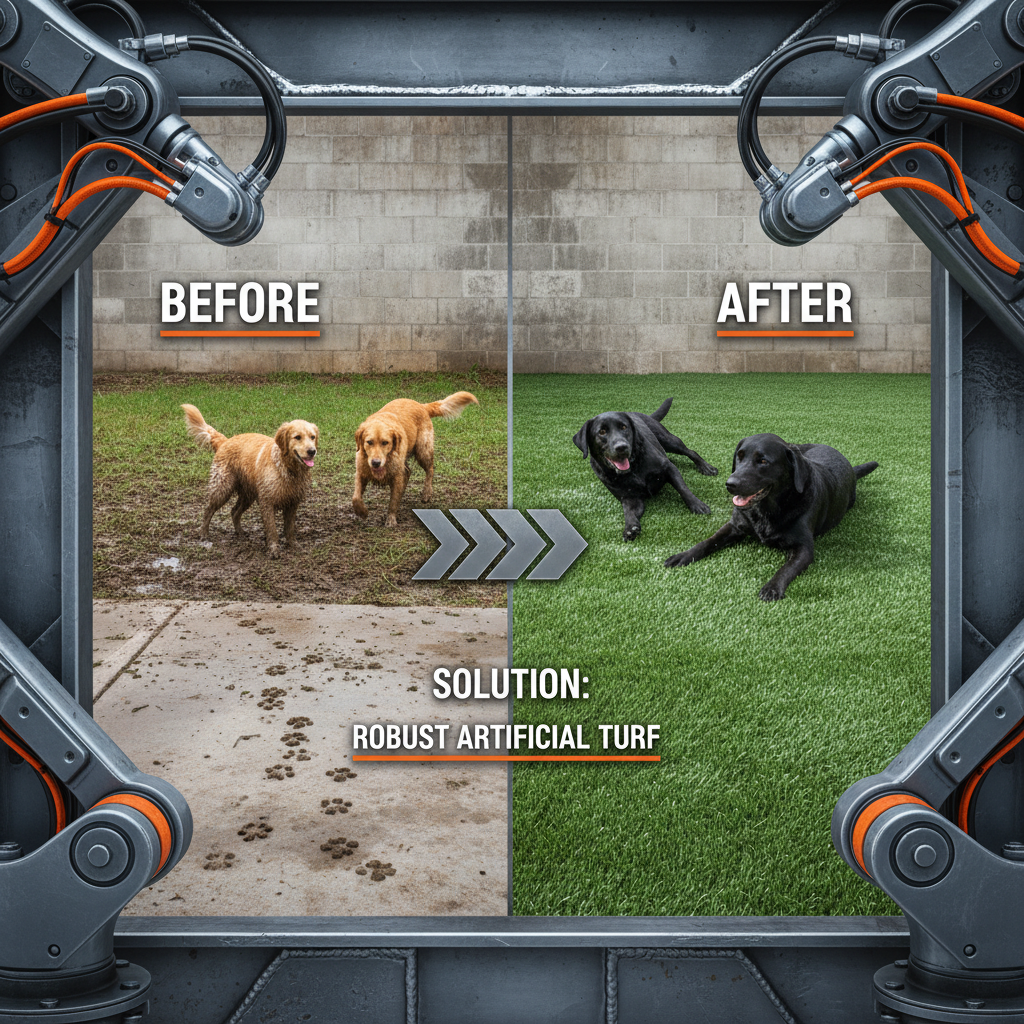
Not all grass types are created equal when it comes to withstanding canine activity. Some are more resilient to wear and tear, while others recover more quickly from digging and foot traffic. Kentucky Bluegrass, while popular, can be easily damaged. Perennial Ryegrass is a more durable option, known for its quick germination and recovery. However, the best choice often depends on your climate and soil conditions. Consider factors like shade tolerance, drought resistance, and overall maintenance requirements. Hoya RNG Grass offers a variety of turfgrass solutions specifically designed for high-traffic areas and pet-friendly landscapes.
Key Takeaway: Selecting a durable, resilient grass type is the first step towards a dog-friendly lawn. Consider your climate, soil type, and the level of activity your dog will be engaging in.
Understanding the Impact of Dogs on Turf Grass
Dogs can impact your lawn in several ways. Their urine, high in nitrogen, can cause brown spots – often referred to as "dog spots." Digging, especially in warmer months, disrupts root systems. Running creates wear and tear, compacting the soil and preventing healthy grass growth. The severity of these impacts depends on the dog's size, breed, and frequency of use. Larger, more active dogs will naturally cause more wear and tear. Diluting urine with water immediately after your dog goes can help minimize damage, as can providing a designated digging area.
Common Dog-Related Lawn Problems:
• Brown Spots (from urine)
• Digging and Root Disruption
• Soil Compaction
• Wear and Tear from Running
Dogs and Turf Grass: Comparing Grass Varieties
Choosing the right grass is crucial. Here’s a comparison of some popular options for dog owners:
Maintaining a Dog-Friendly Turf Grass Lawn
Regular maintenance is key. This includes consistent mowing at the correct height (generally 2-3 inches), proper fertilization, and aeration to relieve soil compaction. Over-seeding can help fill in bare spots caused by digging or wear. Watering deeply and less frequently encourages deeper root growth, making the grass more resilient. Consider using a pet-friendly fertilizer, avoiding harsh chemicals that could be harmful to your dog. Hoya RNG Grass provides expert advice and high-quality products to help you maintain a vibrant, healthy lawn.
Repairing Dog Damage to Your Lawn
Despite your best efforts, dog-related damage is inevitable. For small brown spots, re-seed the area with a compatible grass type. For larger damaged areas, consider using a patch repair kit or sod. Address digging by filling the holes with topsoil and re-seeding. If soil compaction is a problem, rent an aerator to improve drainage and root growth. Consistent repair and maintenance will help keep your lawn looking its best, even with an active dog.
Conclusion: A Harmonious Lawn for Pets and Owners
Creating a dog-friendly lawn requires careful planning, the right grass selection, and consistent maintenance. By choosing durable grass varieties, addressing dog-related damage promptly, and implementing a regular care routine, you can achieve a beautiful, healthy outdoor space that both you and your canine companion can enjoy. Explore the Hoya RNG Grass website for expert advice and premium turfgrass solutions to help you build your dream lawn.
Frequently Asked Questions (FAQs)
How can I prevent brown spots caused by dog urine?
The best way to minimize brown spots is to dilute your dog's urine immediately after they urinate on the lawn. You can do this by pouring water over the area. Encouraging your dog to drink plenty of water will also dilute their urine. Some pet owners create a designated potty area covered with gravel or mulch to avoid lawn damage. Applying a pet-friendly lawn fertilizer can also help neutralize the effects of urine.
What's the best way to repair digging damage?
Start by filling the holes with topsoil. Firmly pack the soil down to eliminate air pockets. Then, re-seed the area with a compatible grass type. Water the area thoroughly and keep it moist until the seeds germinate. Consider providing your dog with a designated digging area filled with sand or soft soil to redirect their digging behavior. Positive reinforcement can also help train your dog to dig in the designated area.
Is artificial turf a good alternative for dog owners?
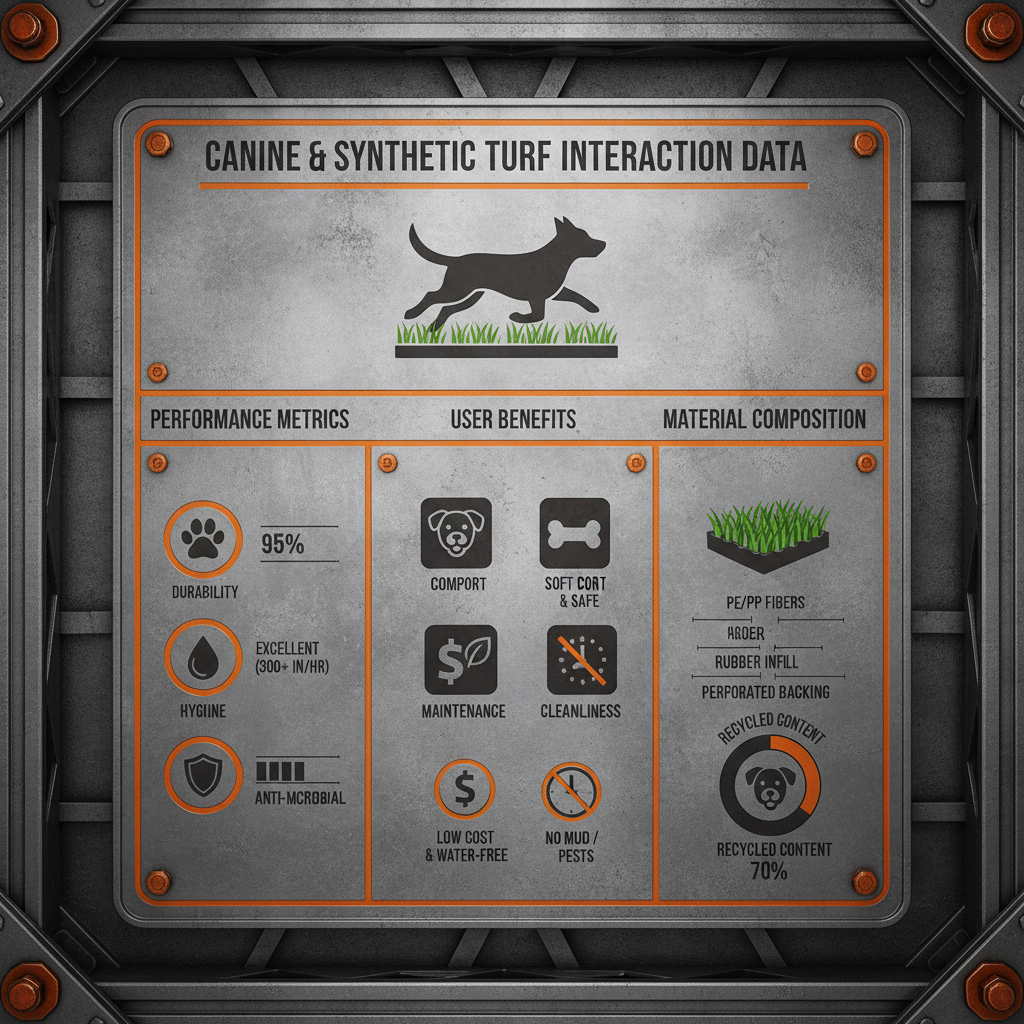
Artificial turf can be a good option for dog owners who struggle to maintain natural grass. It's durable, requires minimal maintenance, and doesn't suffer from dog urine damage. However, it can get hot in direct sunlight and may not provide the same natural feel as real grass. Proper drainage is crucial to prevent odors. Choose a high-quality artificial turf specifically designed for pets to ensure it's safe and durable.
How often should I aerate my lawn if I have dogs?
If you have dogs, you should aerate your lawn at least once a year, and potentially twice a year if they are very active or the soil is particularly compacted. Aeration helps relieve soil compaction, improves drainage, and allows air and nutrients to reach the grass roots. This is especially important in areas where dogs run and play frequently.
Latest news
-
Creating the Perfect Fake Grass Area for Dogs Complete Guide
NewsApr.16,2026
-
Guide to Using Fake Grass and Pets for a Pet Friendly Lawn
NewsApr.09,2026
-
Fake Grass and Dogs Creating a Pet Friendly and Durable Yard
NewsApr.07,2026
-
Maintaining a Pristine Lawn with Fake Grass and Dog Wee Management Solutions
NewsApr.04,2026
-
The Ultimate Guide to Choosing the Perfect Fake Dog Grass Patch for Your Pet
NewsMar.31,2026
-
Discover the Benefits of High Quality Fake Dog Grass for Potty Training
NewsMar.28,2026
Products categories