Welcome to Hoyarn
Call Us Any Time:+86 19801805999
Email Us: info@hoyarn.cn
Comprehensive Guide to Choosing the Best Dog Potty Turf for Patio Use
Jan . 30, 2026 14:45 Back to list
Comprehensive Guide to Choosing the Best Dog Potty Turf for Patio Use
Dog Potty Turf for Patio: A Comprehensive Guide
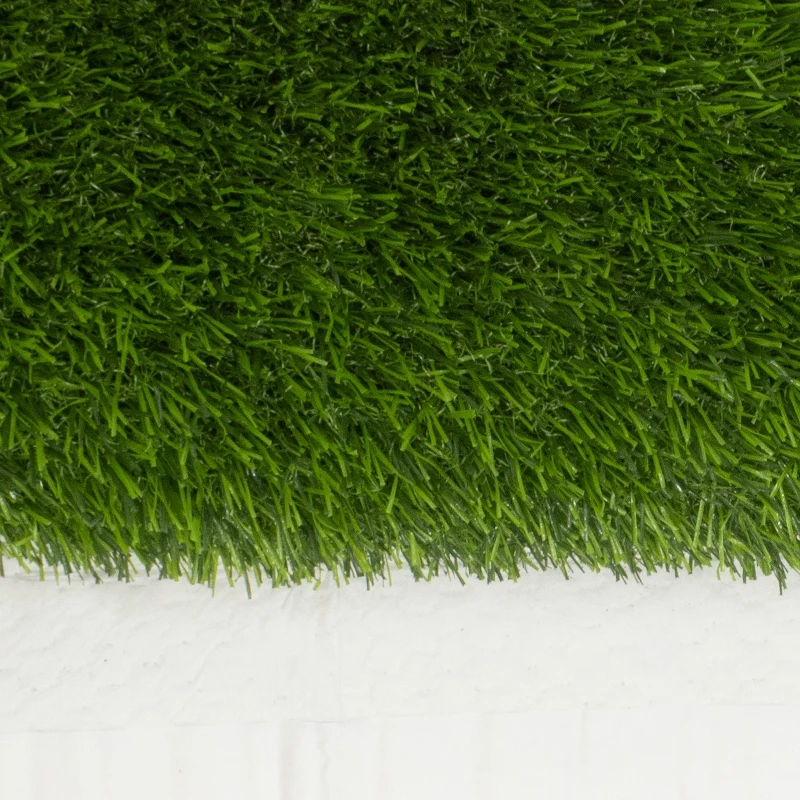
Creating a convenient and hygienic potty area for your dog on your patio can be a game-changer, especially for apartment dwellers or those with limited yard space. Dog potty turf for patio offers a practical and clean solution. This article dives deep into the benefits, selection factors, installation, and maintenance of patio dog turf, helping you choose the best option for your furry friend and your lifestyle. Say goodbye to messy accidents and hello to a stress-free potty routine!
Why Choose Dog Potty Turf for Your Patio?
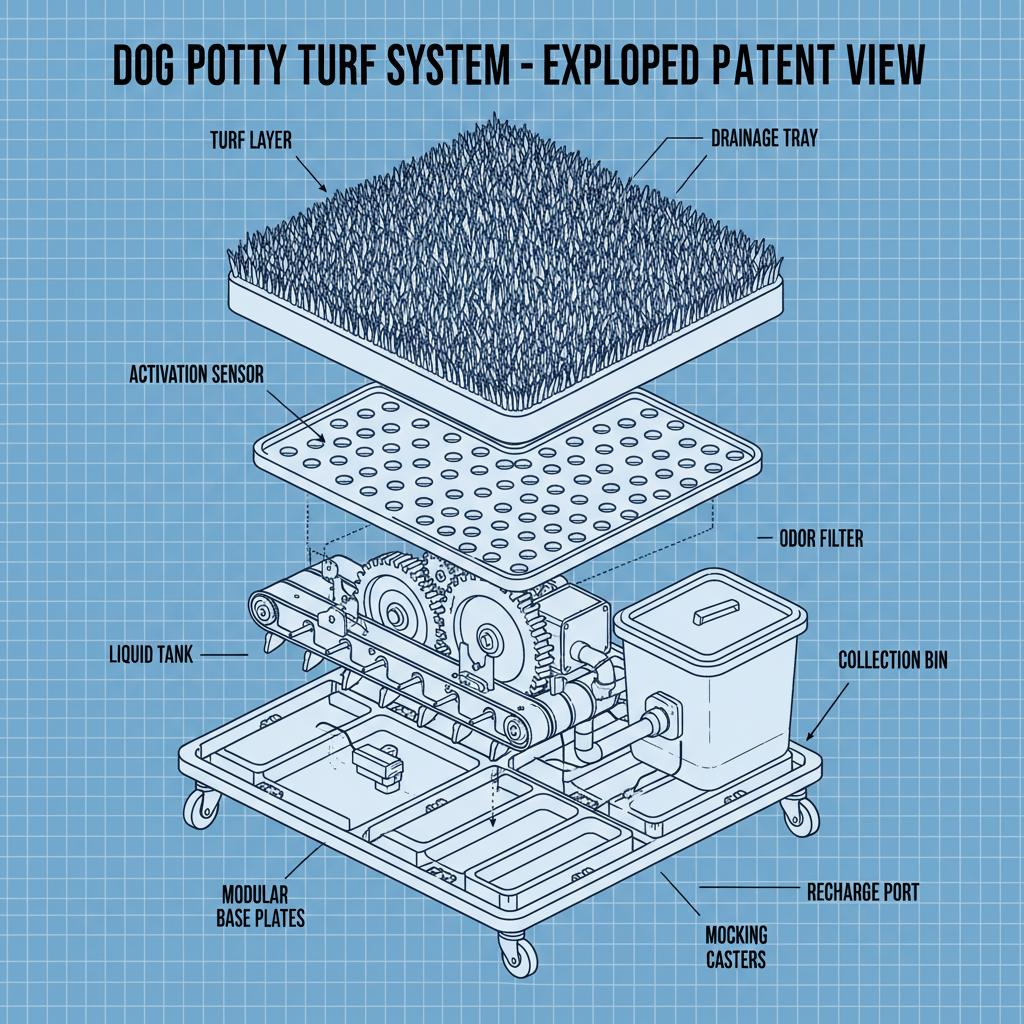
Traditional grass can quickly become damaged by dog urine, leading to unsightly brown spots and an unpleasant odor. Dog potty turf, however, provides a durable and low-maintenance alternative. It’s designed to withstand pet use, offering excellent drainage and easy cleanup. This is especially beneficial for patios, balconies, or any area where natural grass isn't feasible or practical. Plus, it eliminates the muddy paw prints tracked back into your home! It offers a consistent, clean surface for your dog, regardless of the weather.
Key Benefits: Durable, low-maintenance, excellent drainage, easy to clean, eliminates muddy paw prints, odor control.
Understanding Different Types of Dog Potty Turf
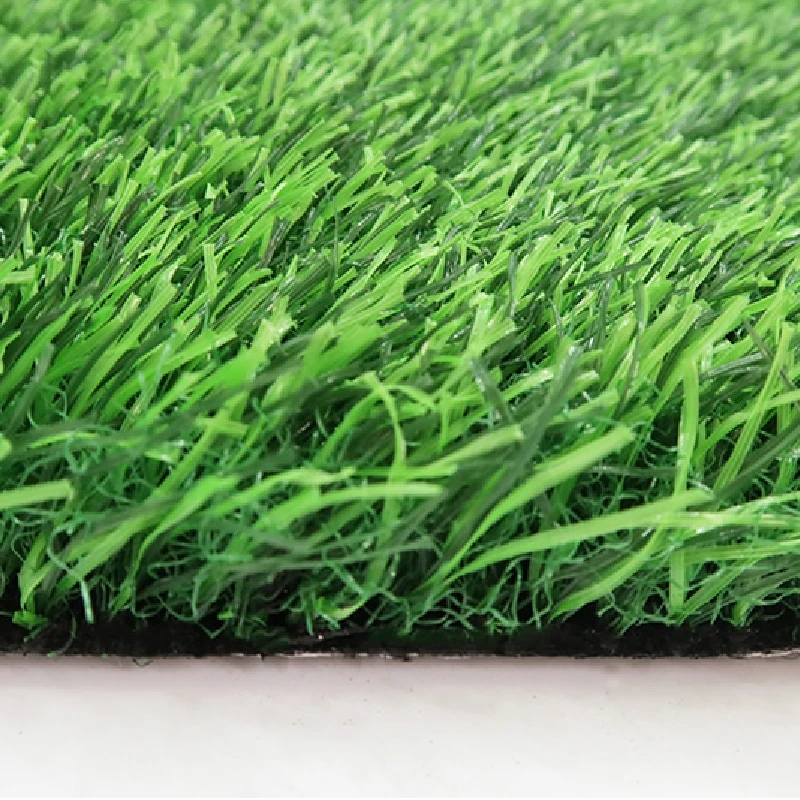
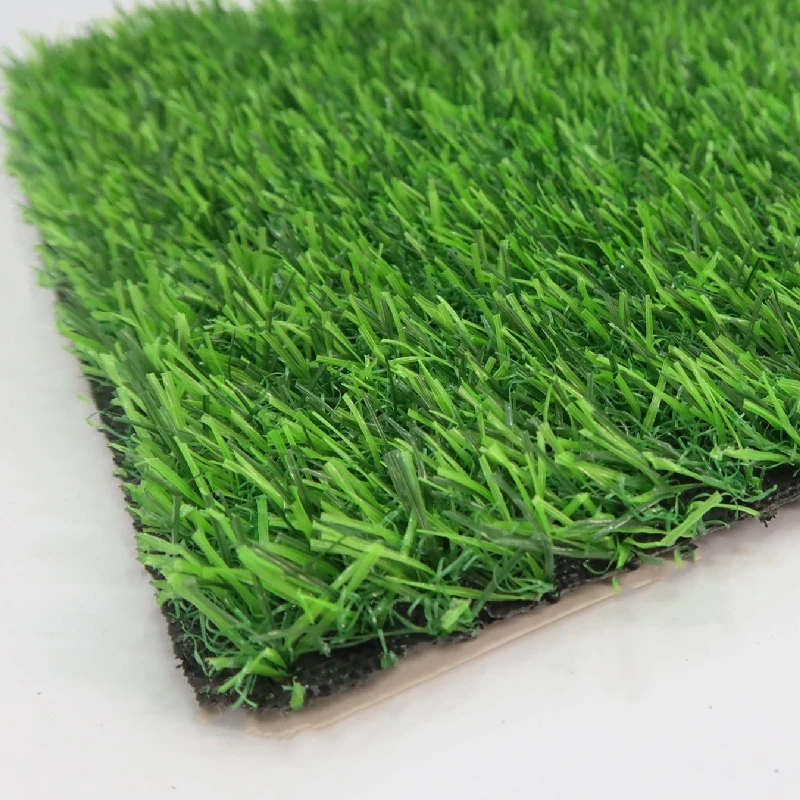
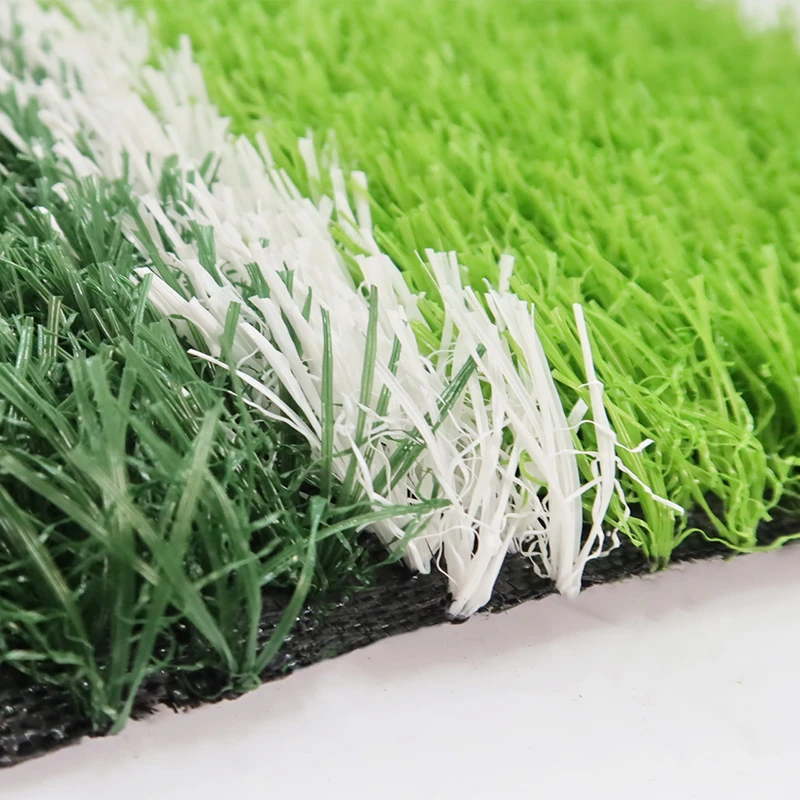
Not all dog potty turfs are created equal. There are several types available, each with its own advantages and disadvantages. The most common options include polyethylene (PE), polypropylene (PP), and a combination of both. PE turf is generally softer and more realistic looking, while PP turf is more durable and heat resistant. Consider your dog's size, potty habits, and your climate when choosing the right type. Factors like pile height (the length of the grass blades) and density (how closely the blades are spaced) also play a role in comfort and drainage.
Turf Type Comparison:
• Polyethylene (PE): Softer, more realistic look, good for smaller dogs.
• Polypropylene (PP): More durable, heat-resistant, ideal for larger dogs and warmer climates.
• PE/PP Blend: Offers a balance of softness and durability.
Choosing the Right Dog Potty Turf: Key Considerations
Selecting the ideal dog potty turf for patio involves several key considerations. First, assess your dog’s size and activity level. Larger dogs require more durable turf with a higher pile height. Consider the drainage capabilities; proper drainage prevents odor buildup and keeps the area sanitary. Also, look for turf with UV resistance to prevent fading and degradation from sunlight. Finally, think about ease of cleaning – look for turf that can be easily rinsed with water or a pet-friendly enzymatic cleaner.
Installation and Maintenance Tips
Installing dog potty turf is generally straightforward. Start by preparing the patio surface – it should be level and clean. Consider adding a drainage layer of gravel beneath the turf for optimal performance. Secure the turf with landscape staples or adhesive designed for outdoor use. For maintenance, regular rinsing with water is typically sufficient. Periodically, use a pet-friendly enzymatic cleaner to eliminate odors and bacteria. Avoid harsh chemicals that could harm your dog or the turf. Regularly remove any solid waste promptly.
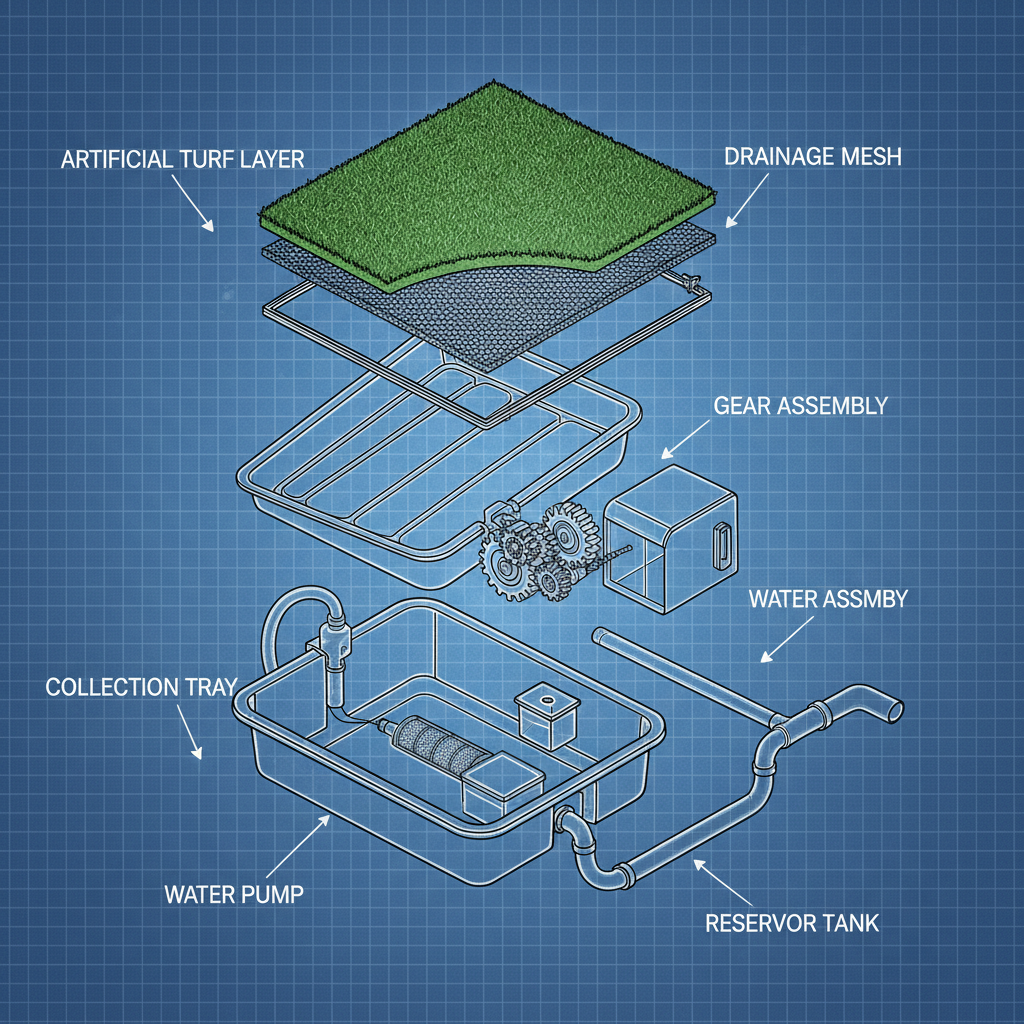
Product Specifications - Hoyarngrass Premium Dog Potty Turf
Here’s a look at the specifications for our premium dog potty turf at Hoyarngrass:
Conclusion: A Clean and Convenient Solution
Investing in dog potty turf for patio offers a practical and hygienic solution for pet owners. With the right selection, installation, and maintenance, you can create a dedicated potty area that’s both convenient for your dog and enjoyable for you. Browse our selection at Hoyarngrass today and discover the perfect turf for your furry friend!
Frequently Asked Questions (FAQs)
How often should I clean my dog potty turf?
The frequency of cleaning depends on how often your dog uses the turf. Generally, a quick rinse with water after each use is sufficient to remove solid waste and dilute urine. However, at least once a week, you should thoroughly clean the turf with a pet-friendly enzymatic cleaner to eliminate odors and prevent bacterial growth. This will help maintain a sanitary and inviting potty area for your dog. Regular cleaning also extends the lifespan of the turf.
Can I use bleach to clean the potty turf?
No, you should absolutely avoid using bleach or harsh chemicals to clean your dog's potty turf. These chemicals can be harmful to your dog if ingested and can also damage the turf fibers, causing them to become brittle and fade. Always opt for a pet-friendly enzymatic cleaner specifically designed for artificial grass. These cleaners effectively break down odors and bacteria without posing a risk to your pet’s health or the integrity of the turf.
What should I do about odors?
Odors are typically caused by the buildup of urine and bacteria. Ensure proper drainage to prevent urine from pooling. Regular cleaning with a pet-friendly enzymatic cleaner is crucial. You can also consider adding a layer of silica sand or zeolite granules beneath the turf to absorb odors. If odors persist, it may indicate that the turf needs to be replaced.
How long will dog potty turf last?
The lifespan of dog potty turf depends on several factors, including the quality of the turf, the frequency of use, and the level of maintenance. High-quality turf, like those offered by Hoyarngrass, can last for 5-10 years with proper care. Regular cleaning, UV protection, and avoiding harsh chemicals will significantly extend its lifespan.
Latest news
-
Creating the Perfect Fake Grass Area for Dogs Complete Guide
NewsApr.16,2026
-
Guide to Using Fake Grass and Pets for a Pet Friendly Lawn
NewsApr.09,2026
-
Fake Grass and Dogs Creating a Pet Friendly and Durable Yard
NewsApr.07,2026
-
Maintaining a Pristine Lawn with Fake Grass and Dog Wee Management Solutions
NewsApr.04,2026
-
The Ultimate Guide to Choosing the Perfect Fake Dog Grass Patch for Your Pet
NewsMar.31,2026
-
Discover the Benefits of High Quality Fake Dog Grass for Potty Training
NewsMar.28,2026
Products categories